 (713) 321-2424
 Consultation
A facelift usually becomes relevant when the lower face starts changing in ways that skin care, fillers, and energy devices can’t fully correct. The jawline softens. The neck gets heavier. Deep folds settle in around the mouth. The face still looks like you, but the structure looks less supported than it used to. At Face Forward near Houston Heights facelift surgery is planned around structure, not surface pull. Dr. Regina Rodman is a board-certified facial plastic and craniofacial surgeon who approaches facial rejuvenation with a steady hand and a clear point of view: lift what has descended, preserve what still works, and avoid an unnatural appearance. For patients researching facelift Houston Heights, that means access to facially focused surgery built around precision, restraint, and long-term balance.
Many people who come in for a facelift consultation are not looking for a dramatic reinvention. They want the lower face and neck to look cleaner. They want less heaviness through the jawline. They want the mirror, the camera, and the side profile to line up again. A good facelift does that by addressing facial aging where it actually happens: in the underlying tissues, the facial muscles, the support layer of the face, and the skin draped over it.
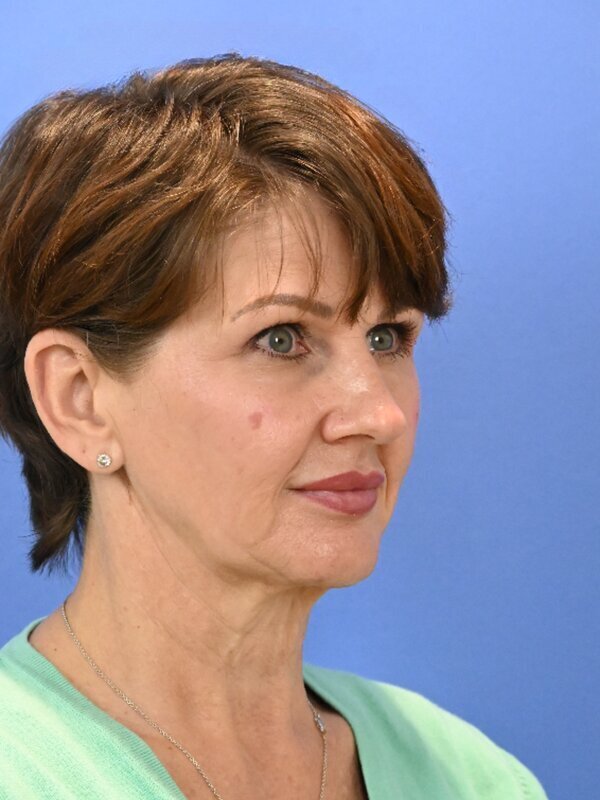
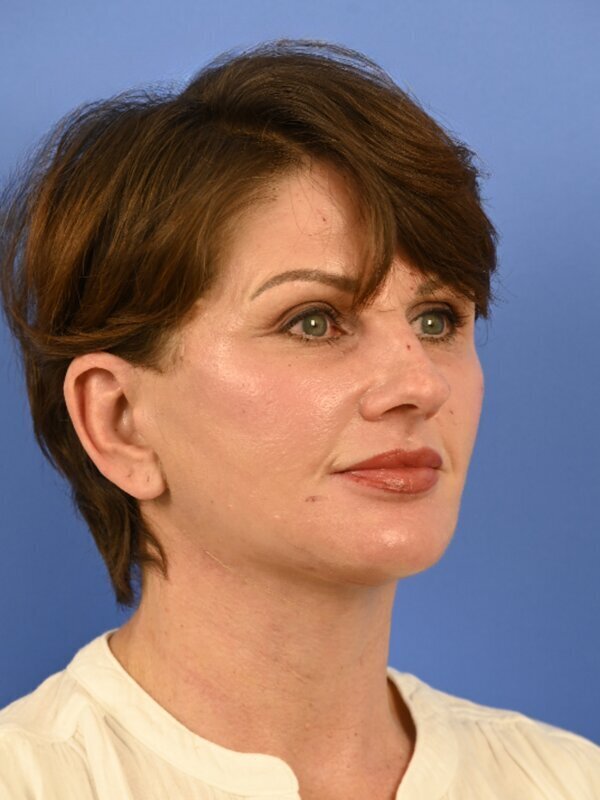
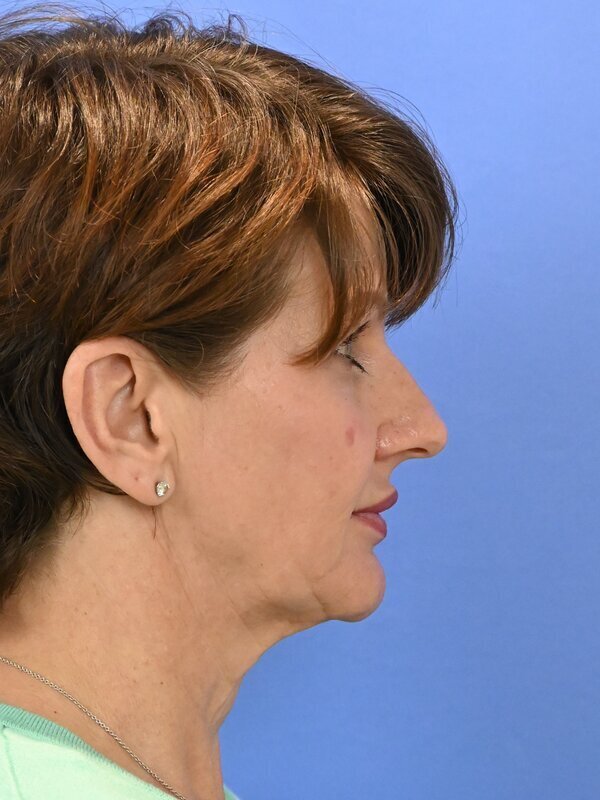
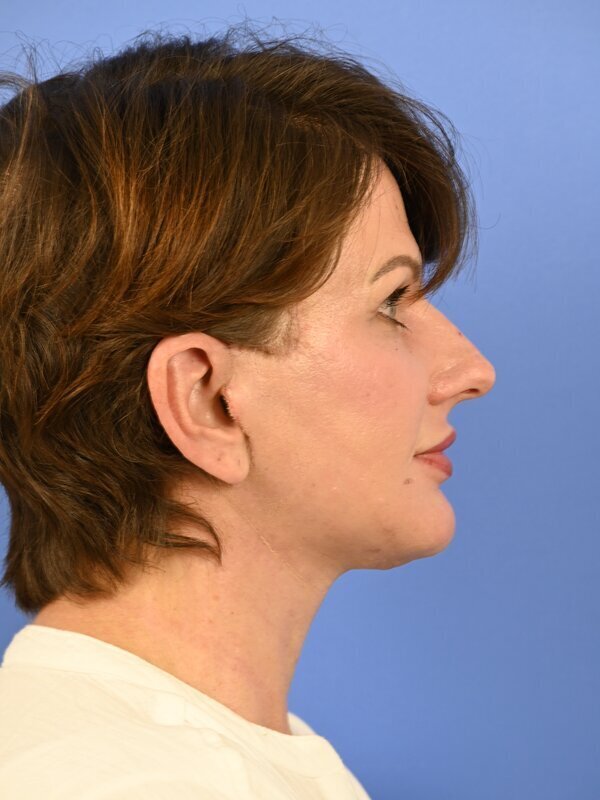
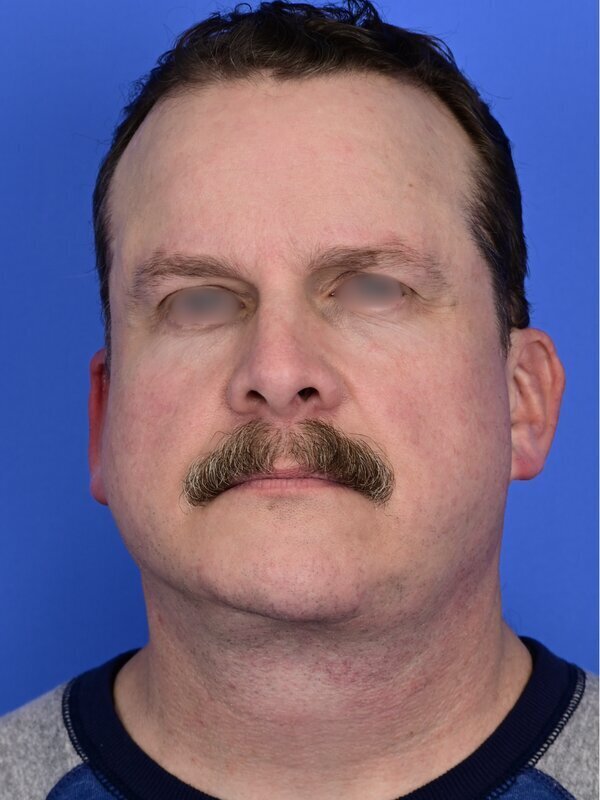
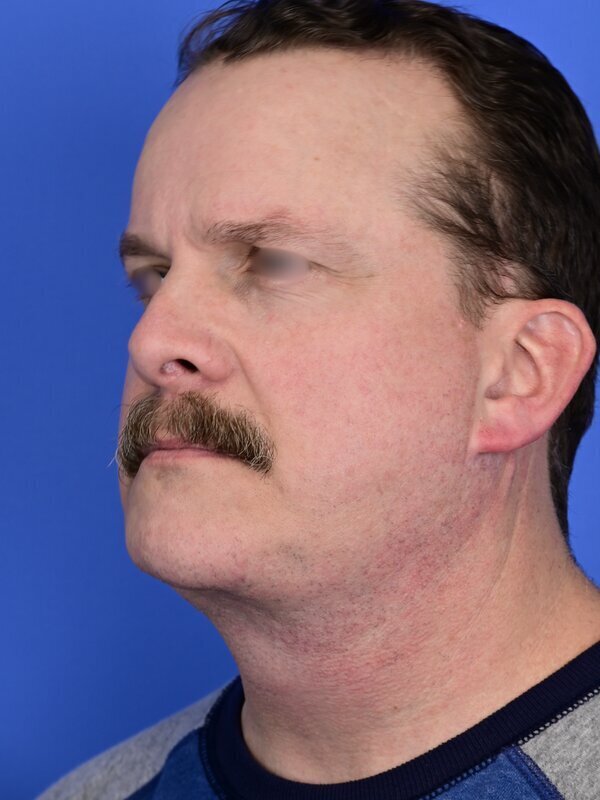
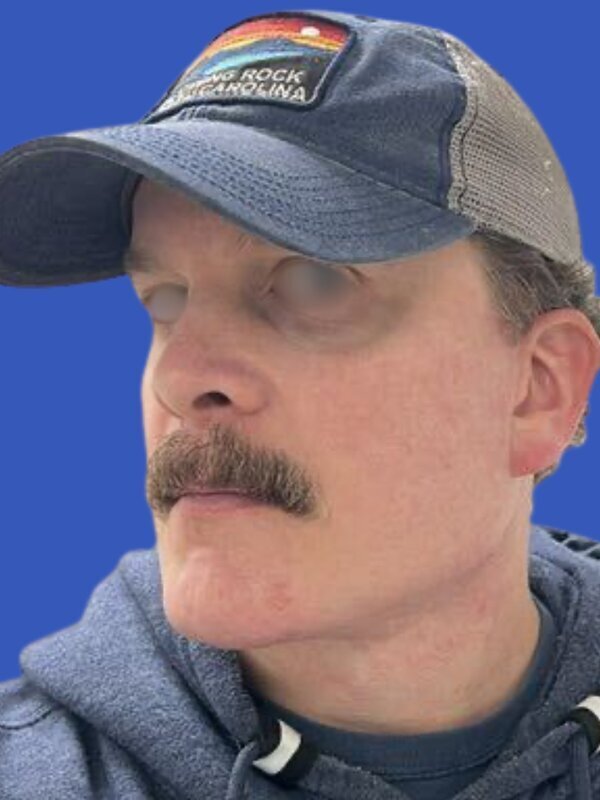
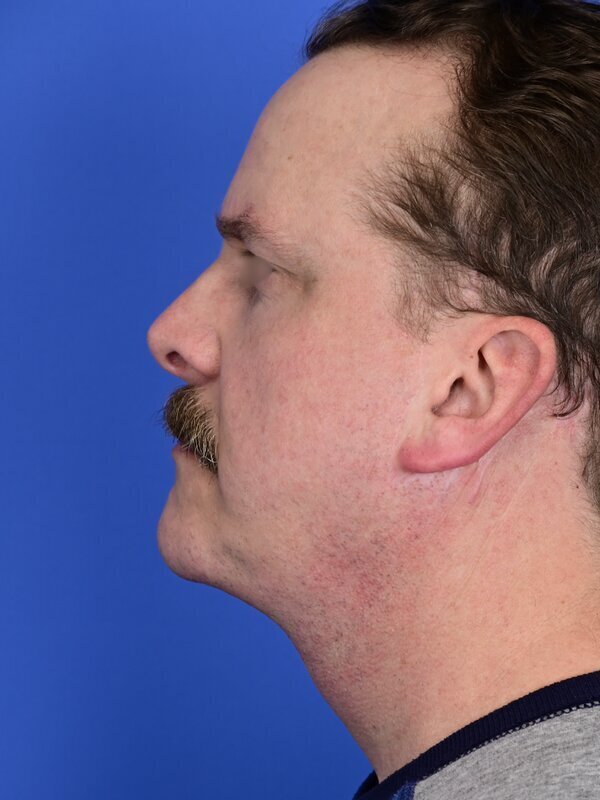
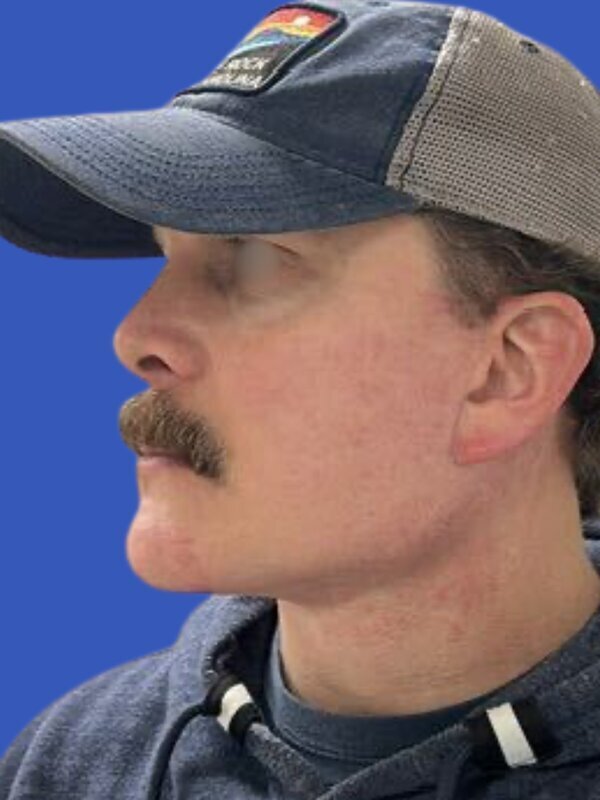
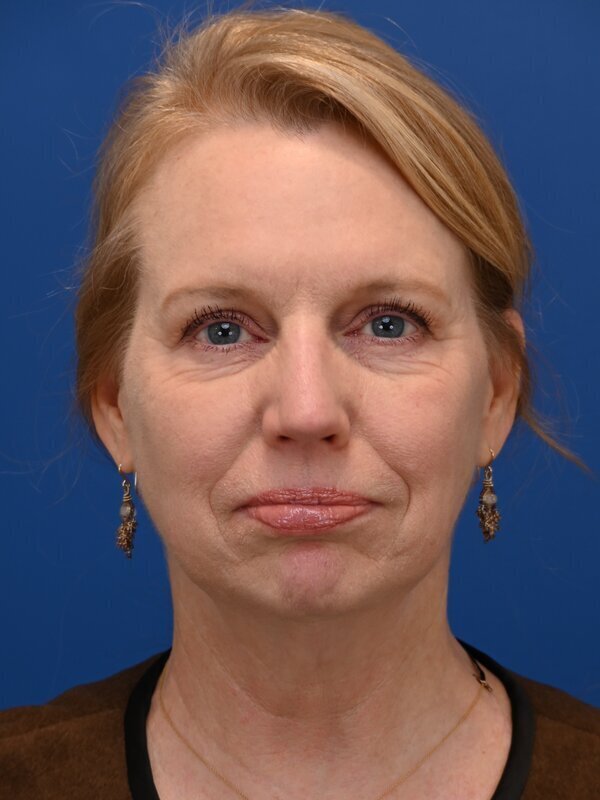
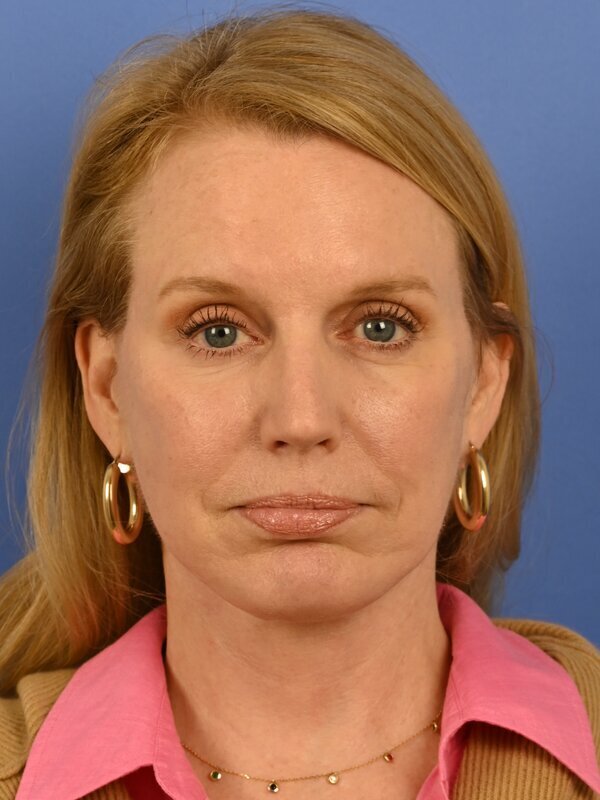
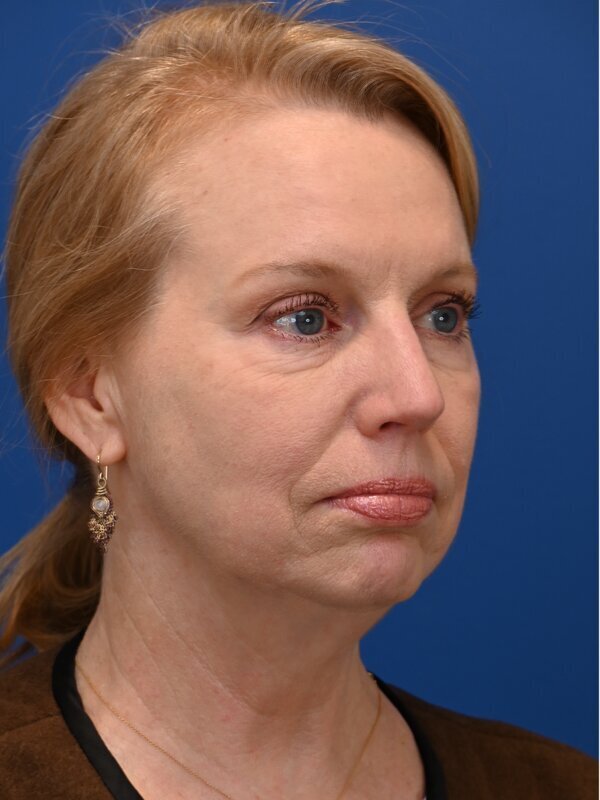
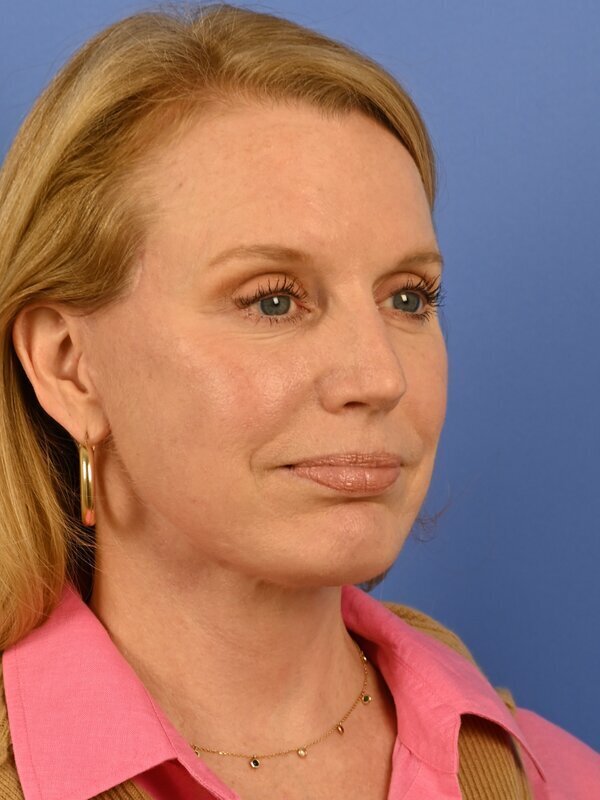
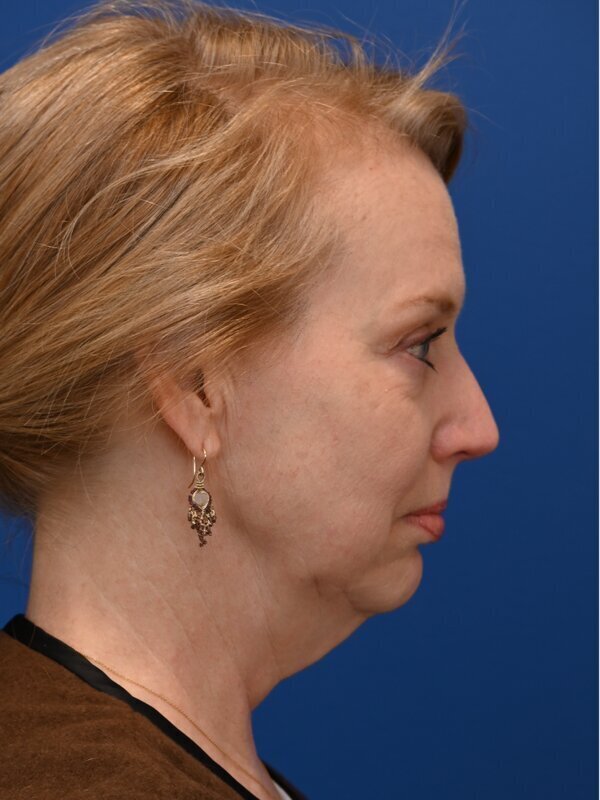
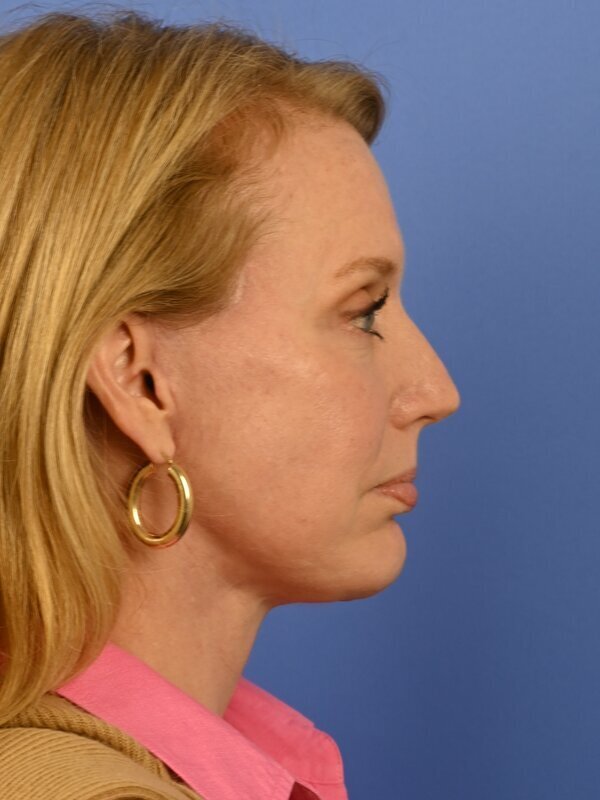
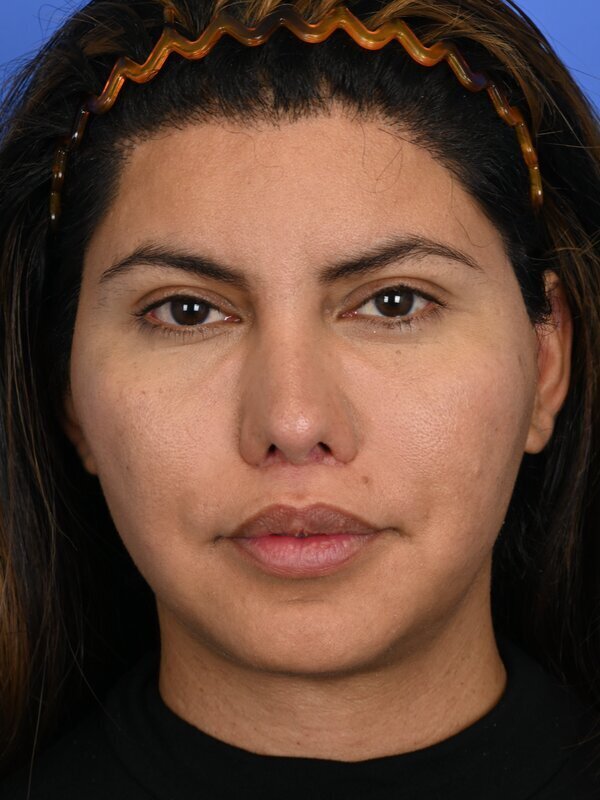
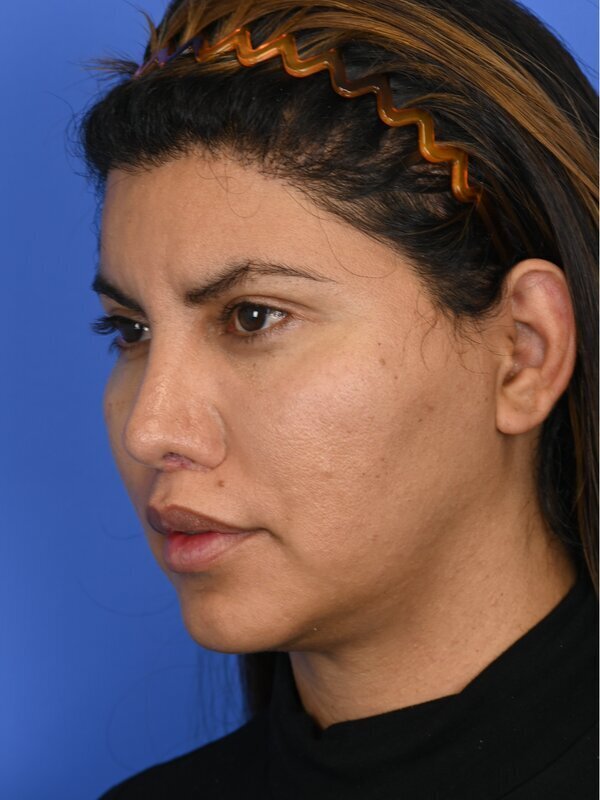
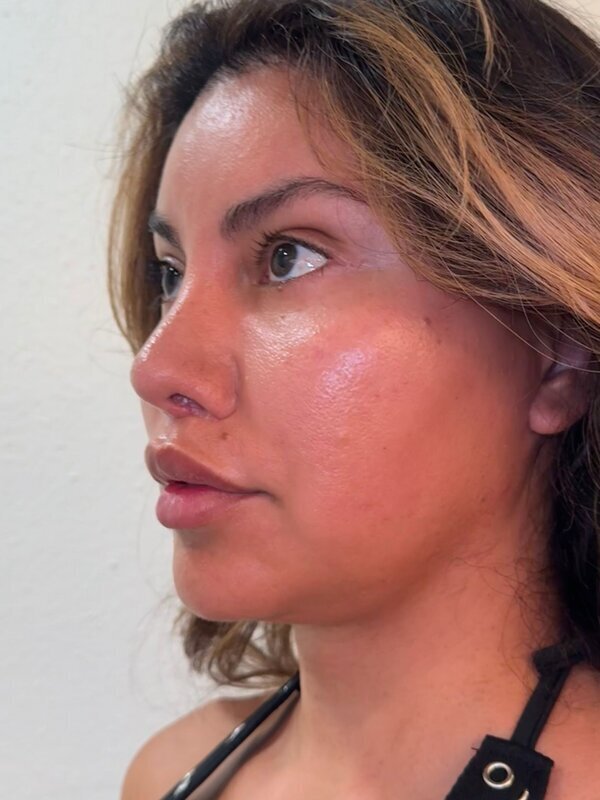
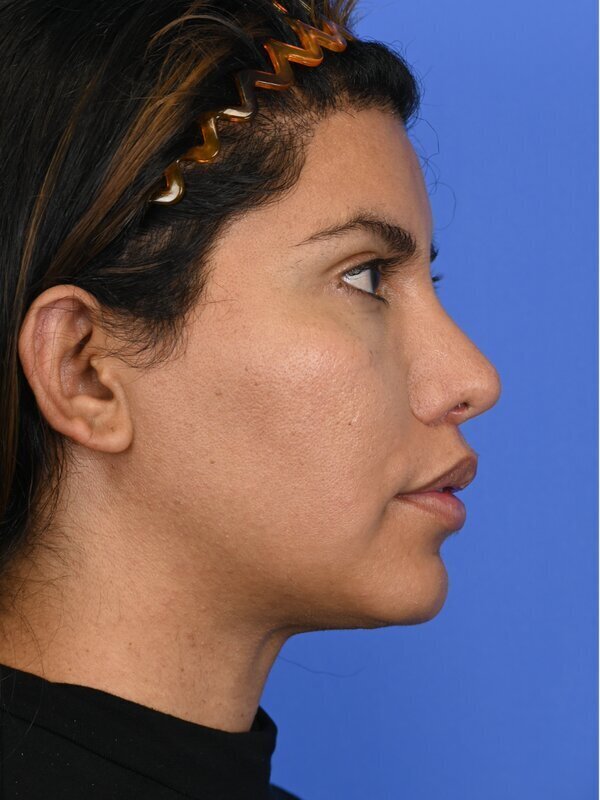
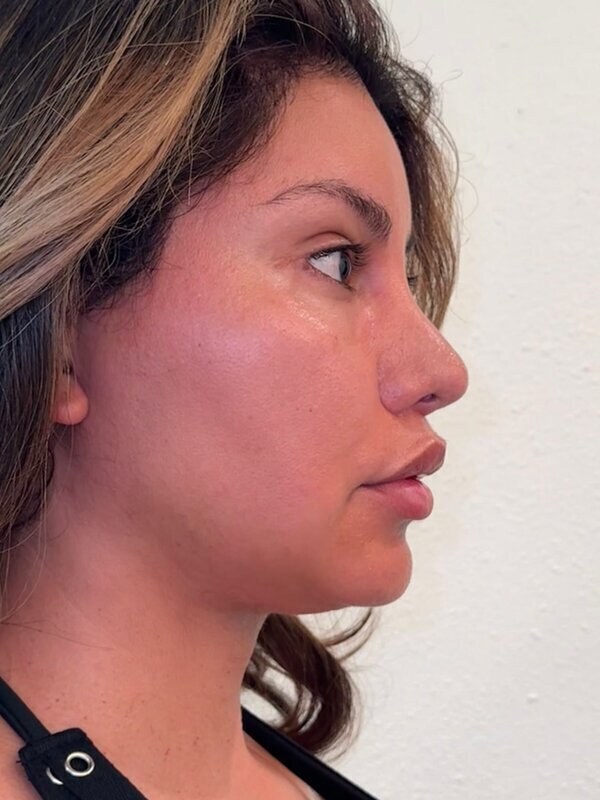
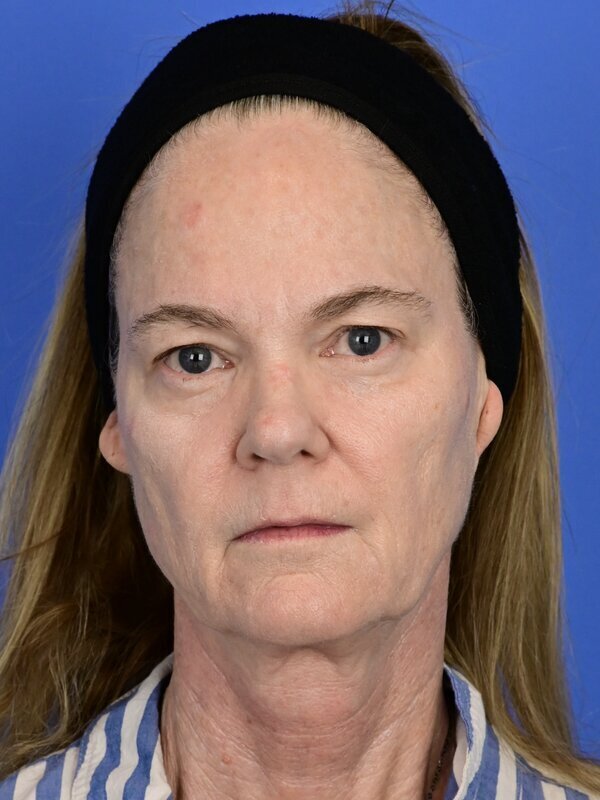
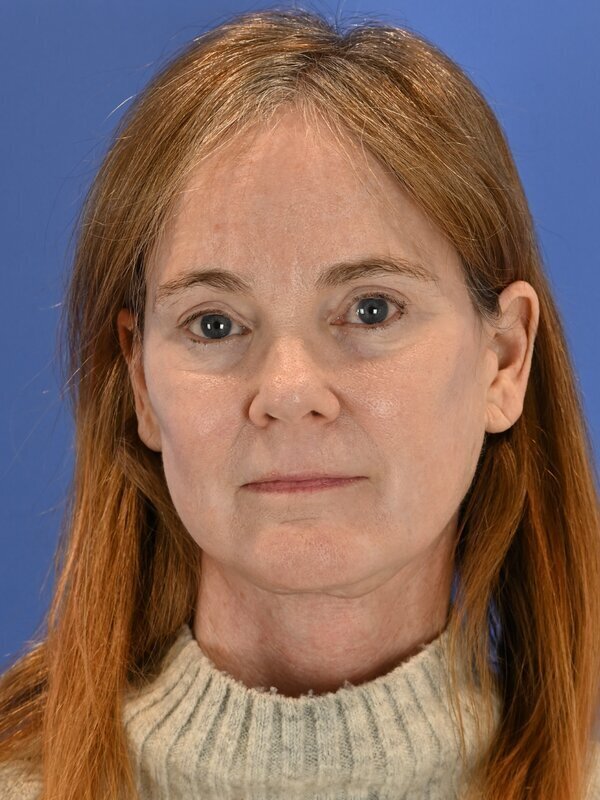
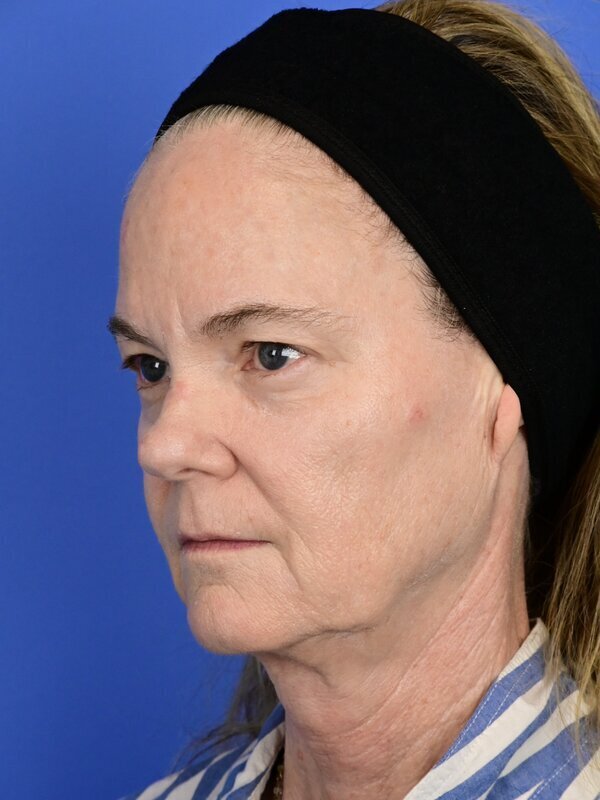
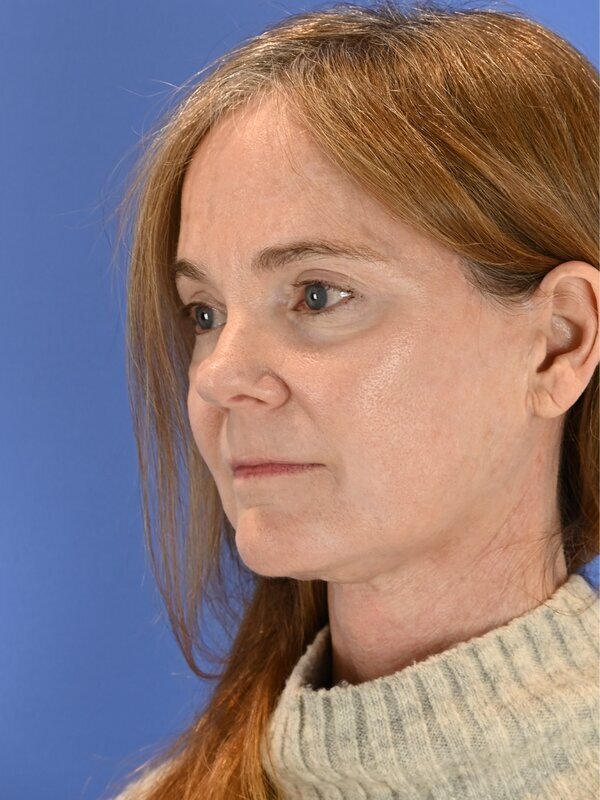
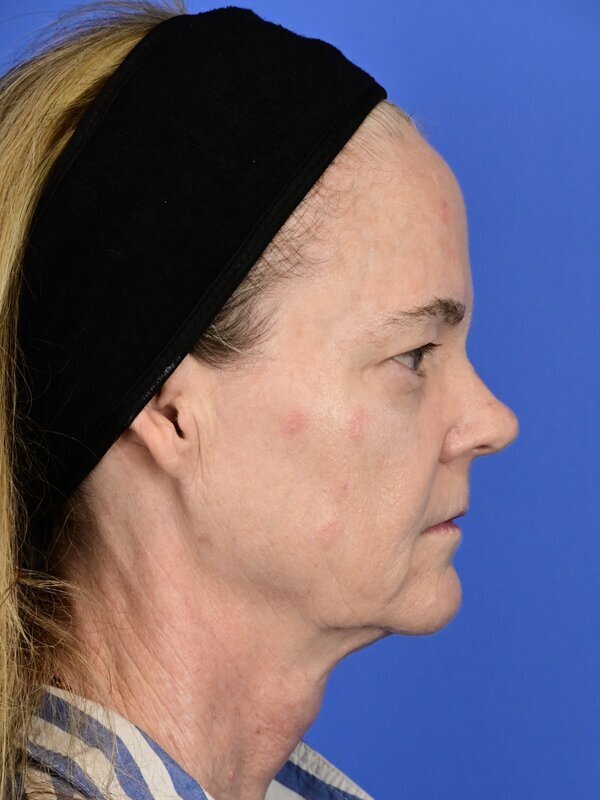
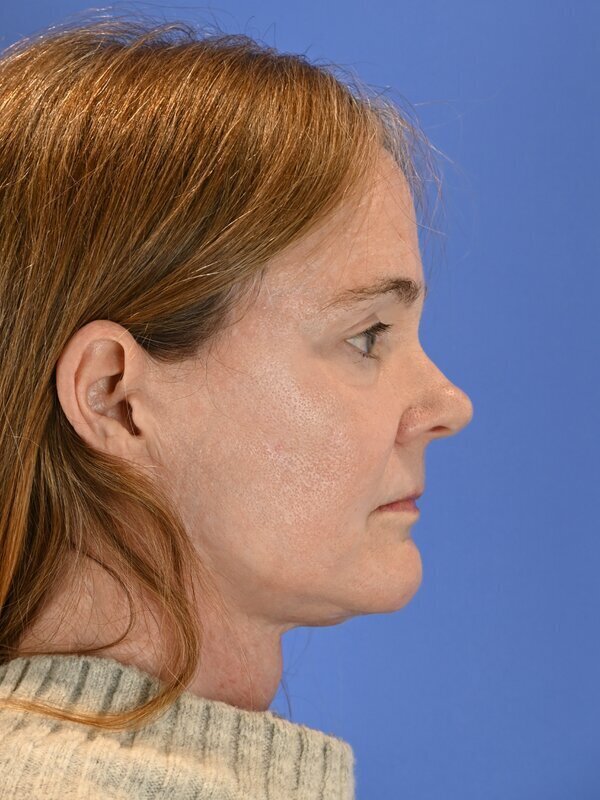
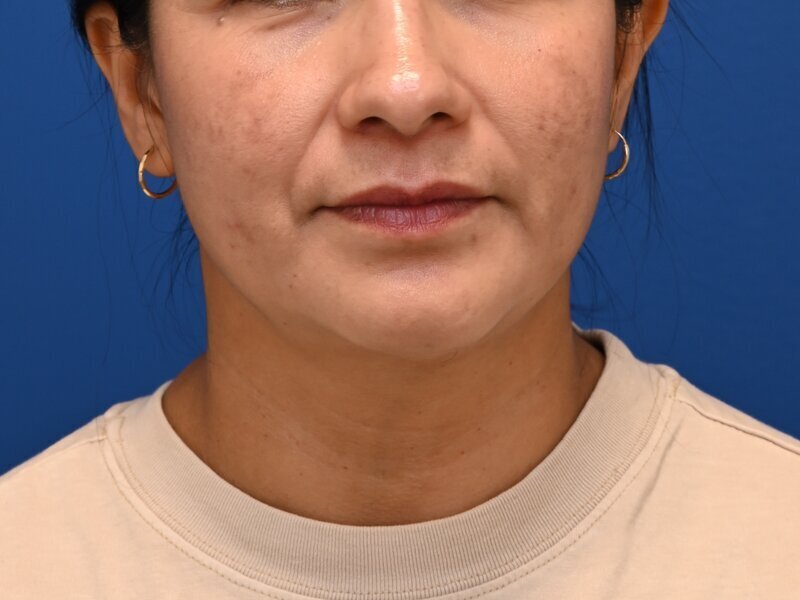
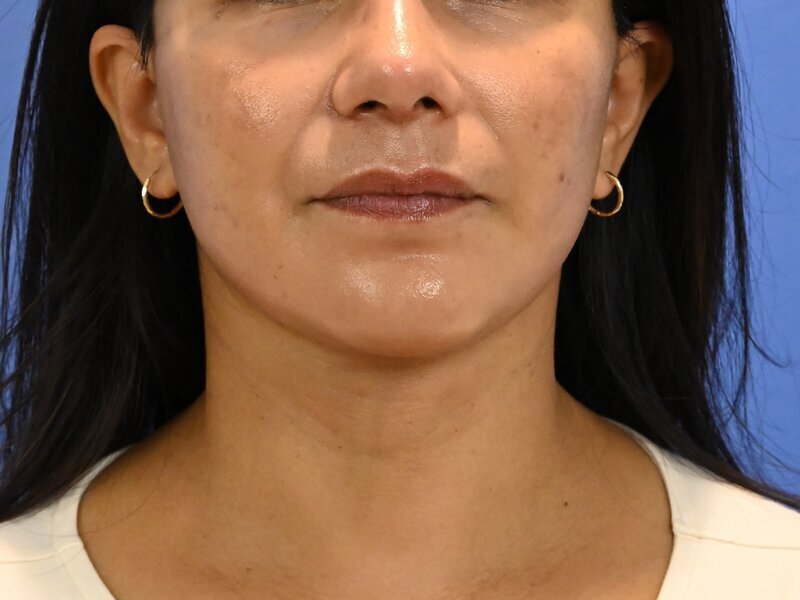
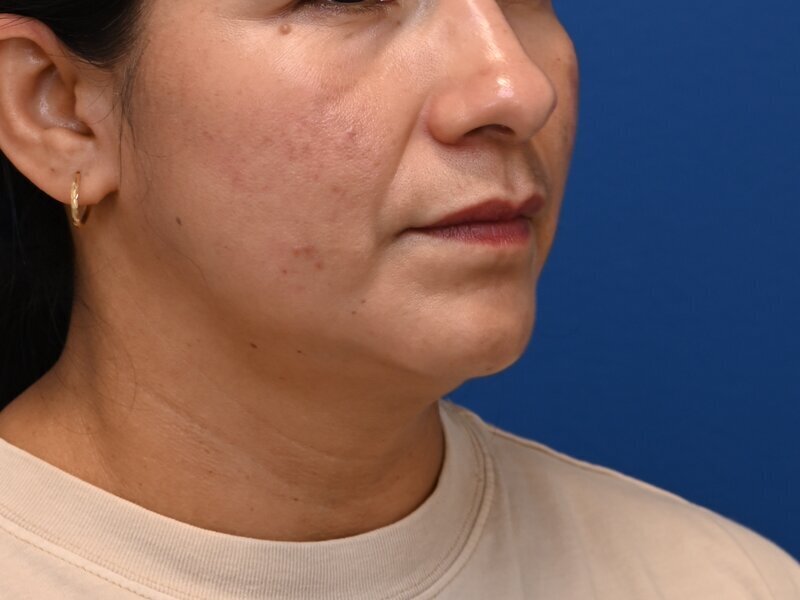
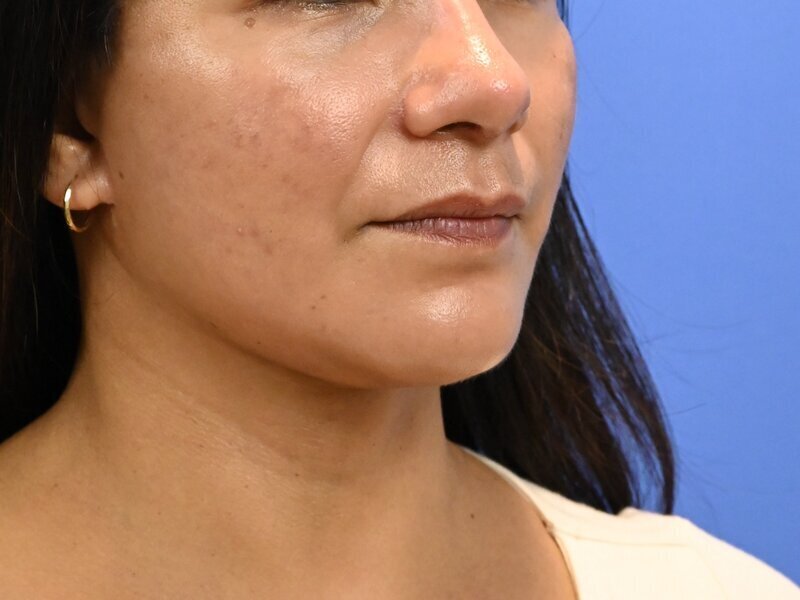
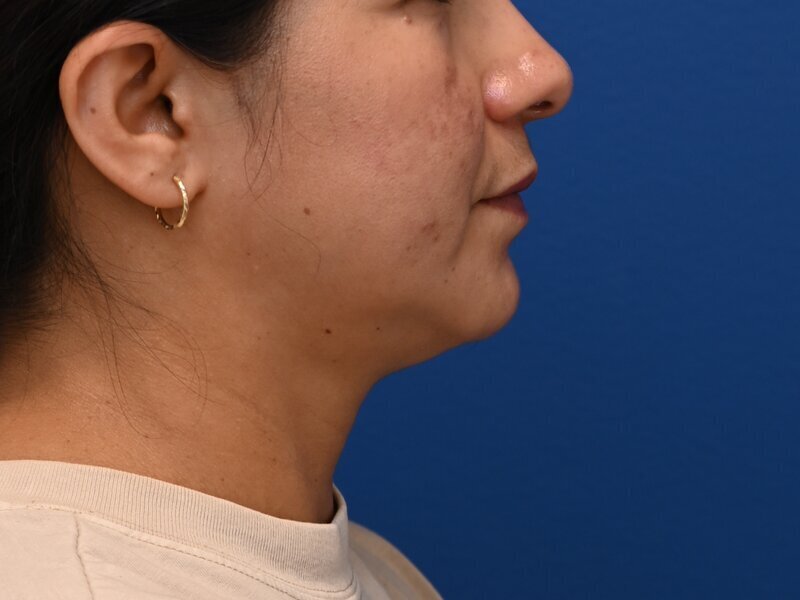
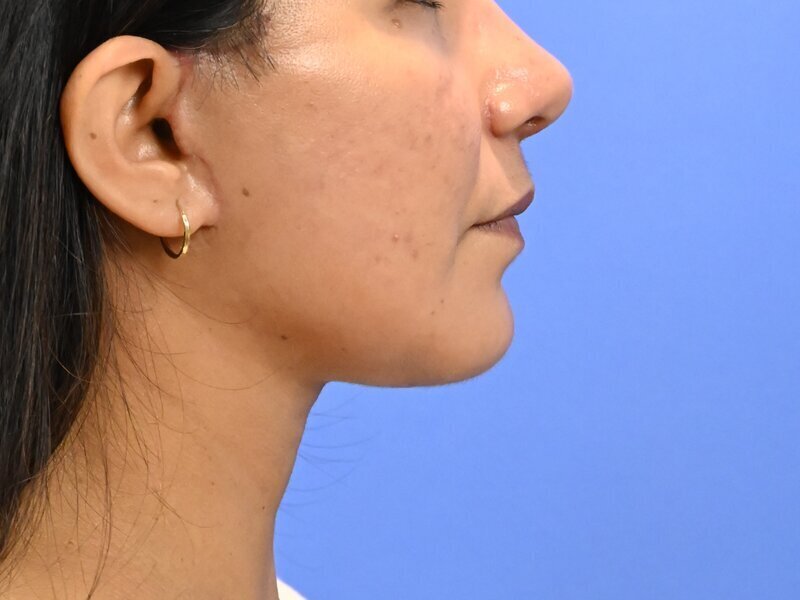
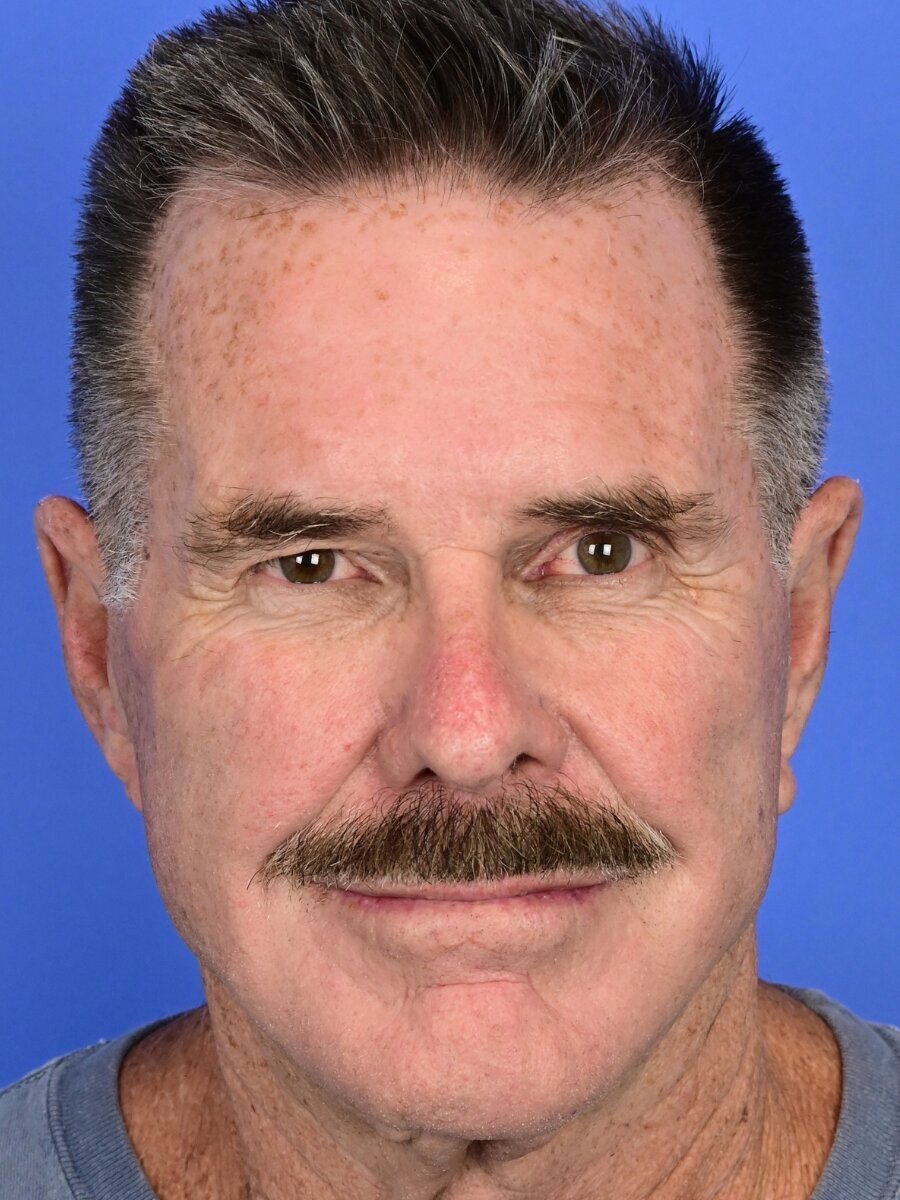
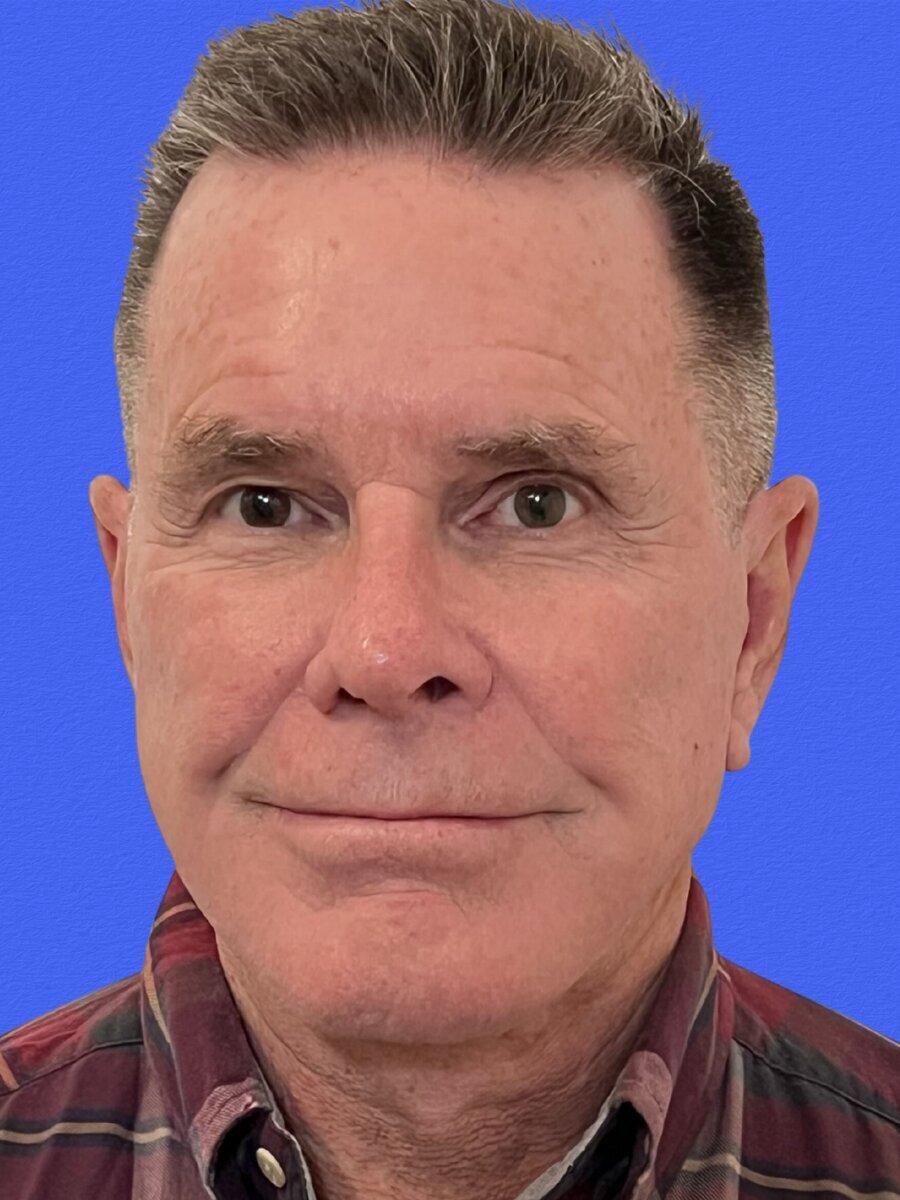
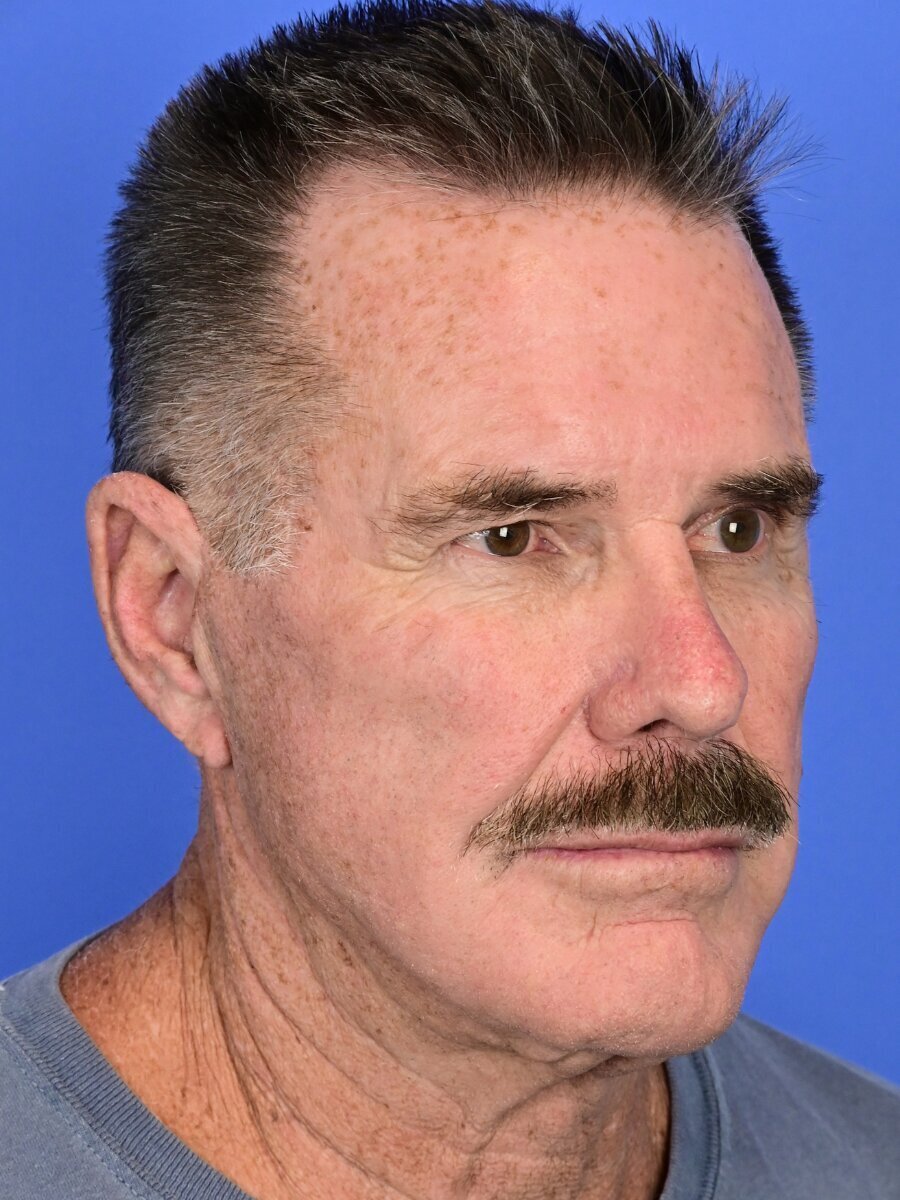
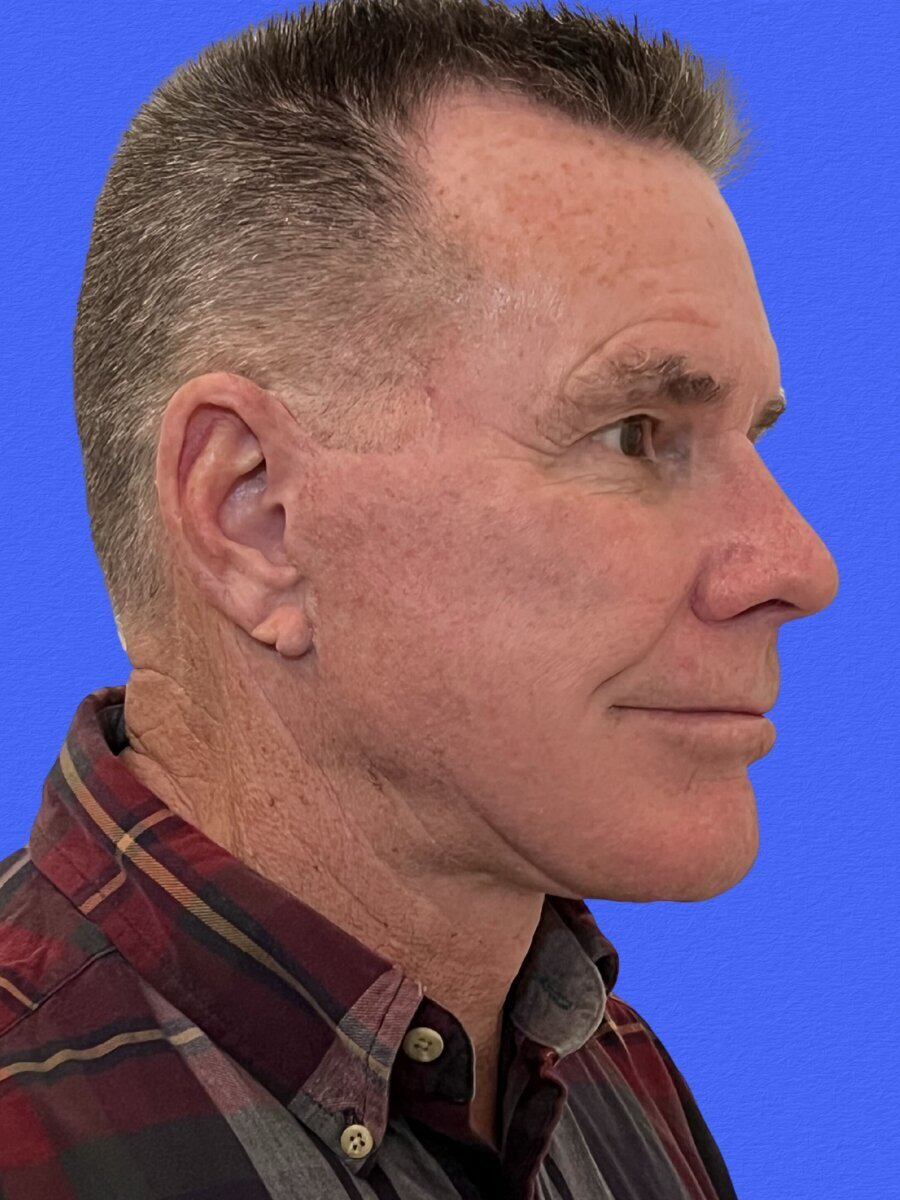
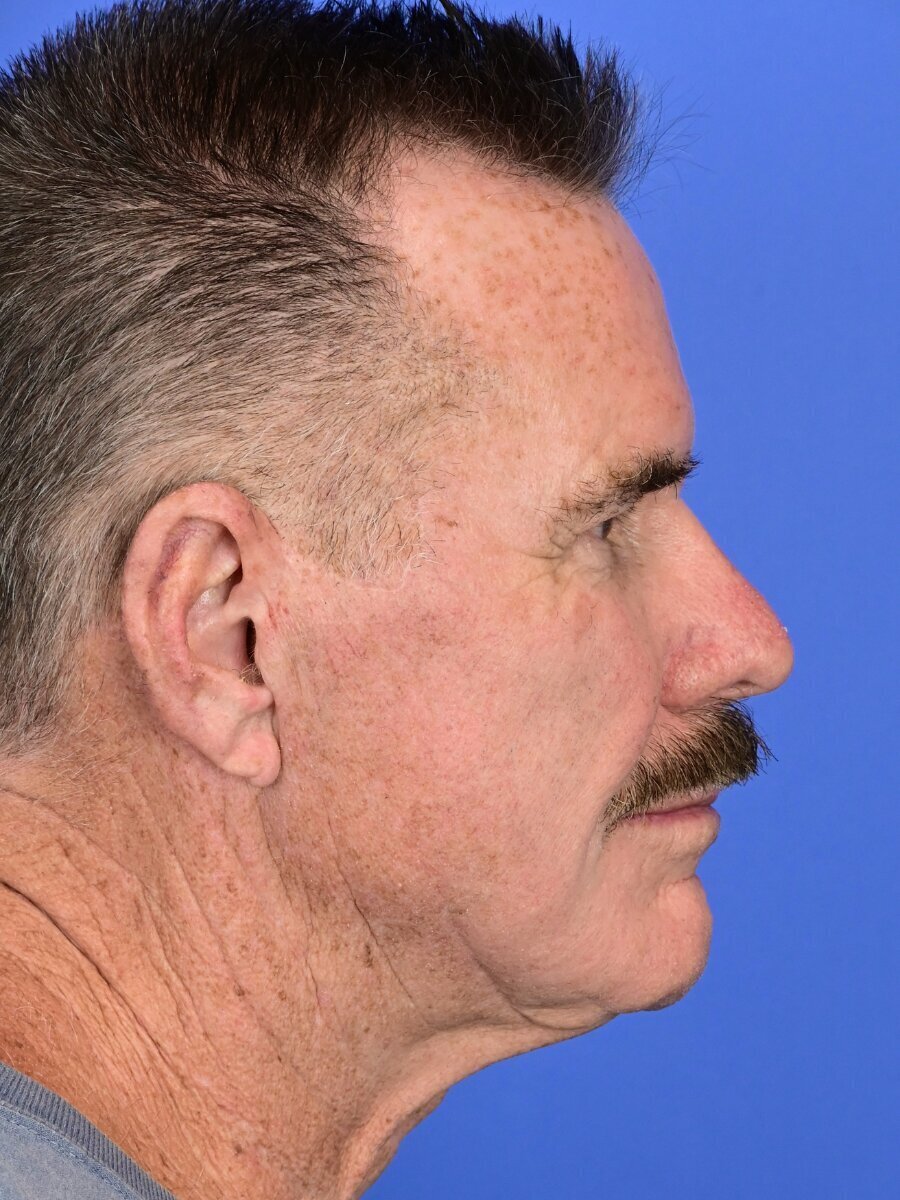
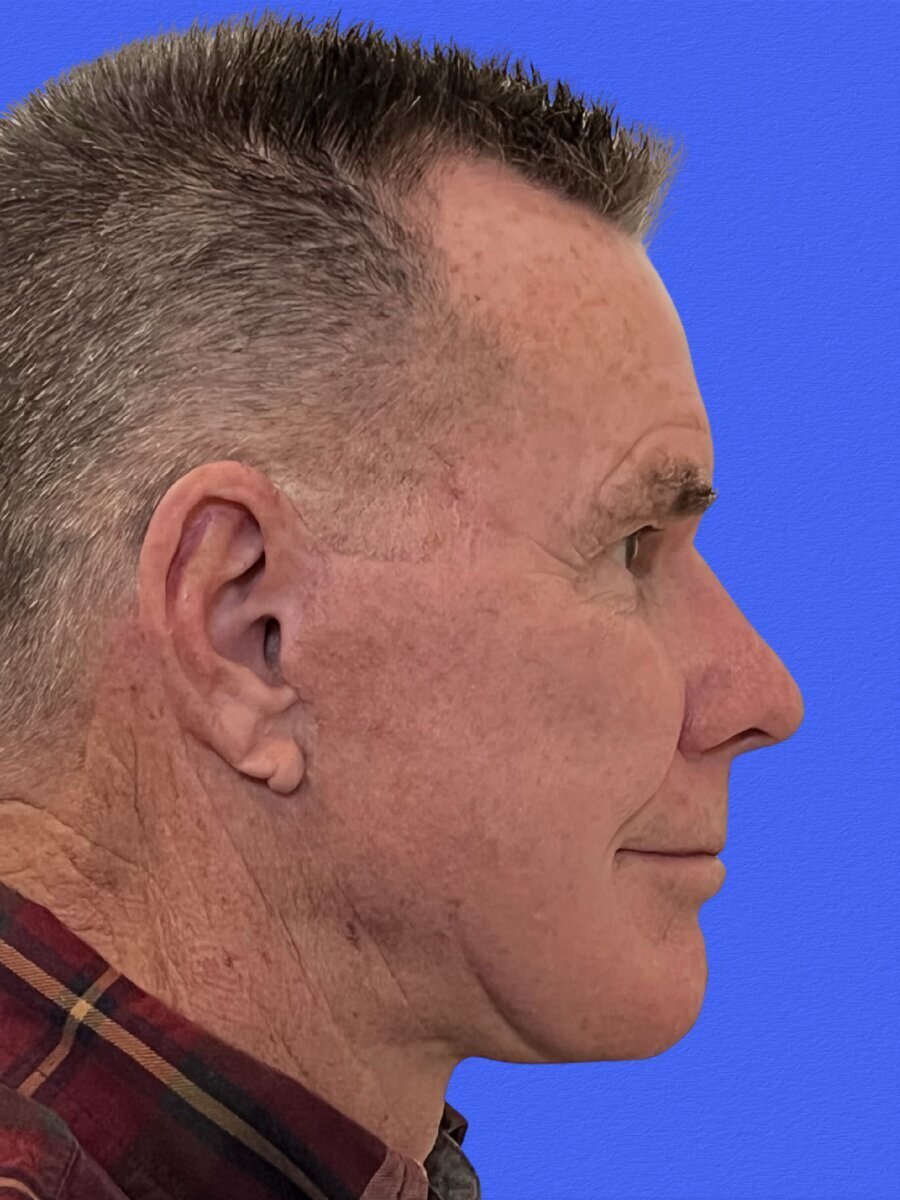
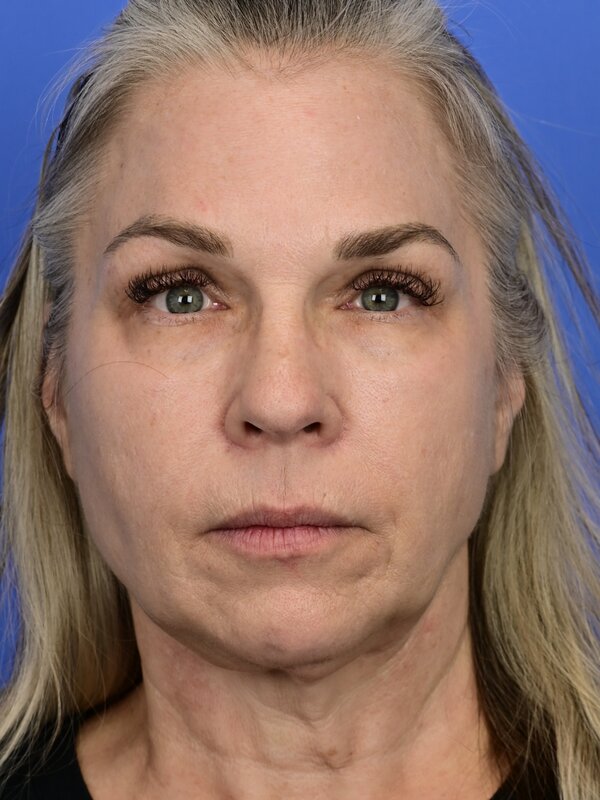
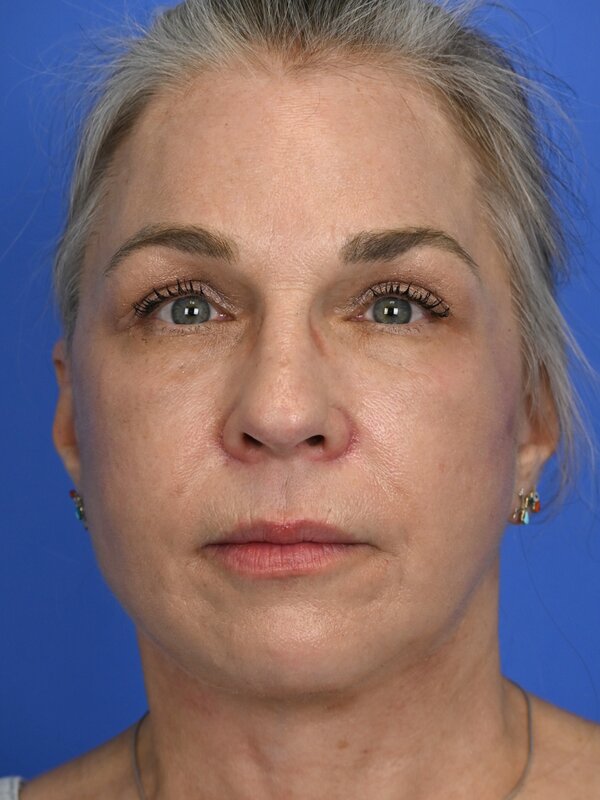
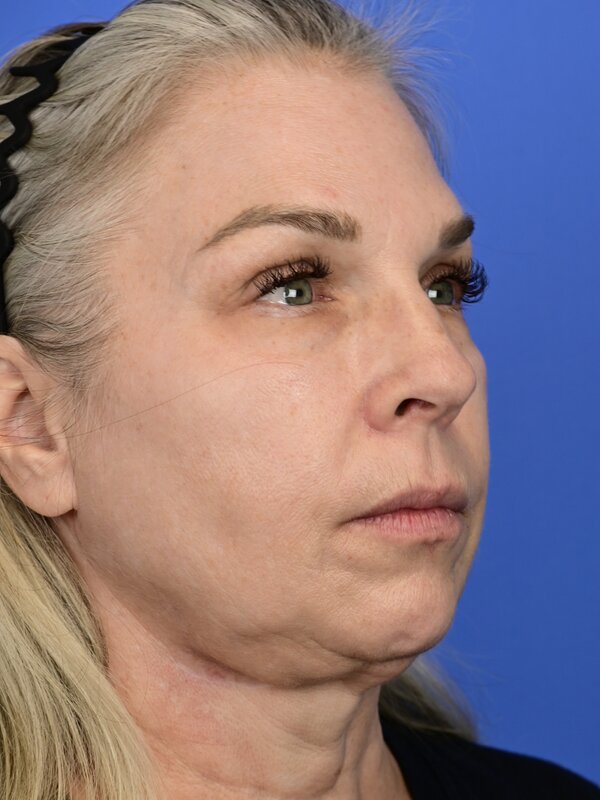
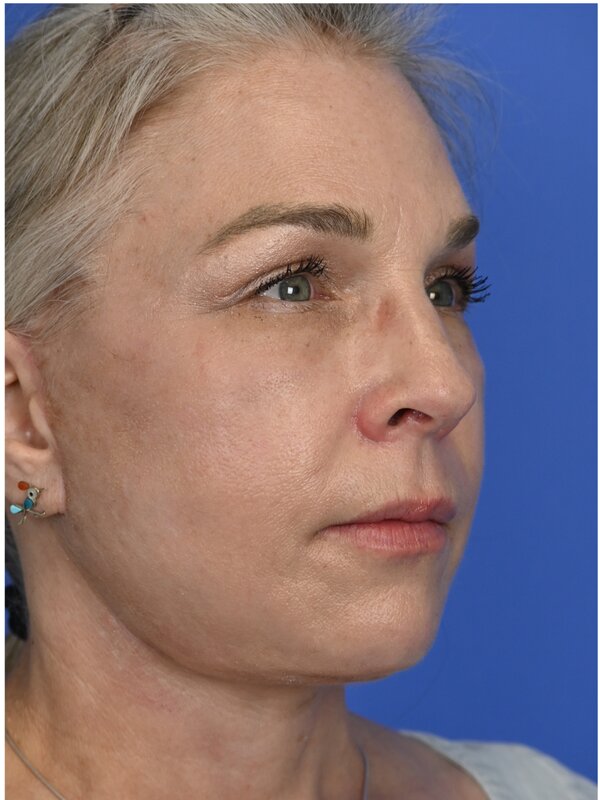
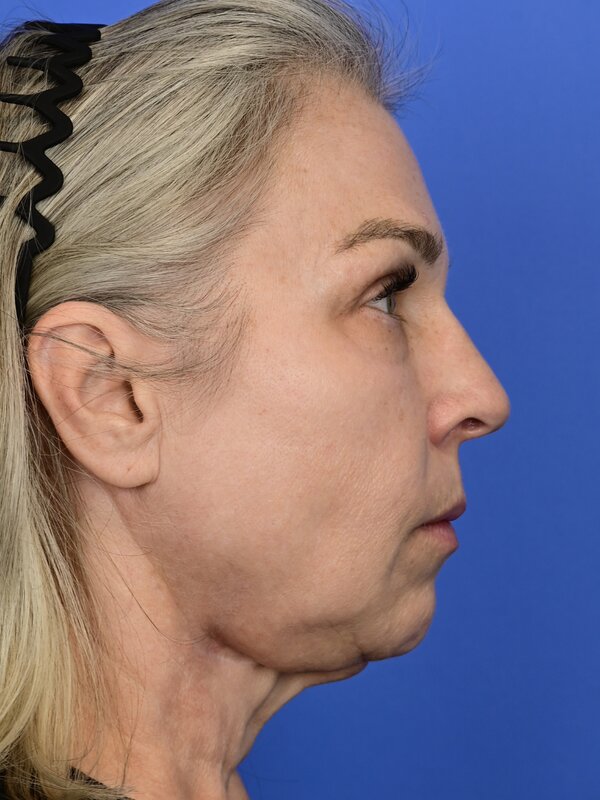
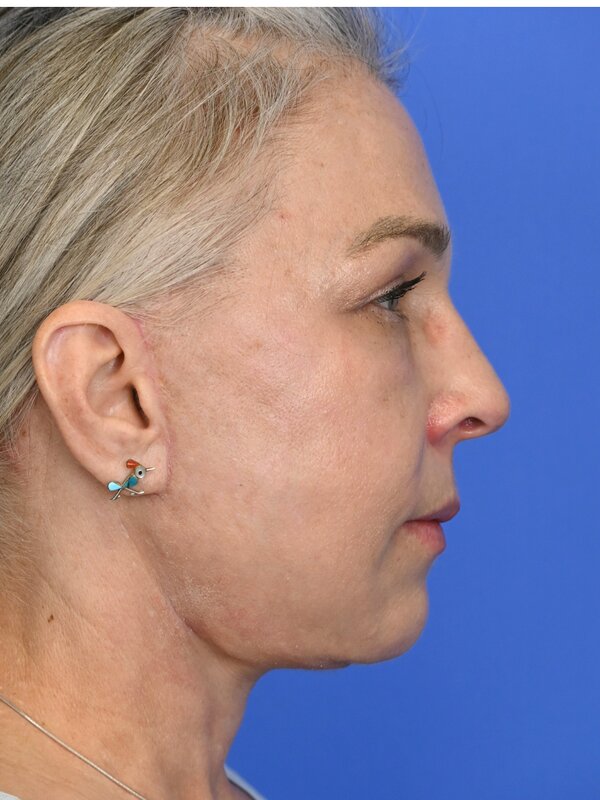
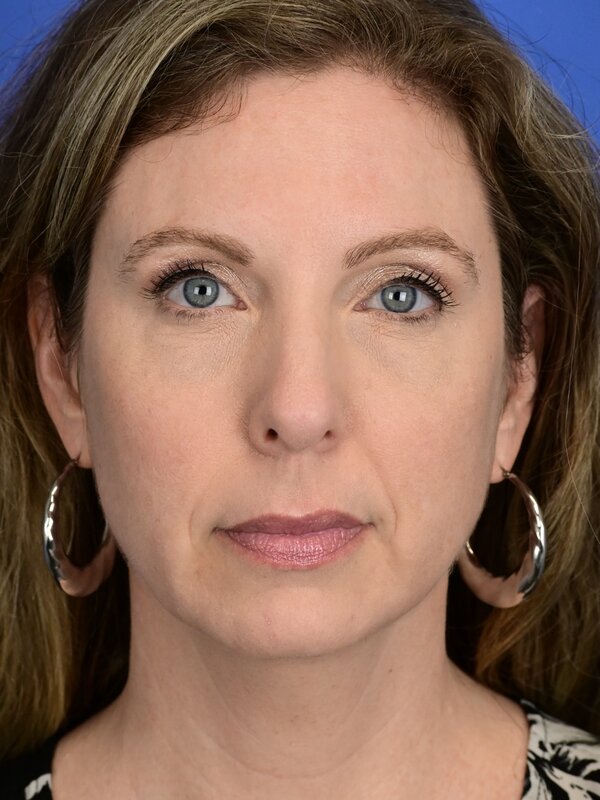
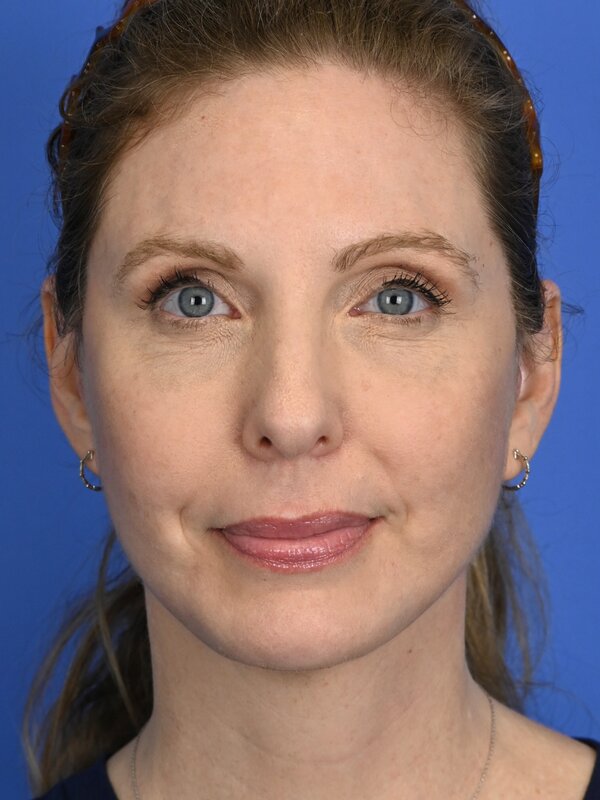
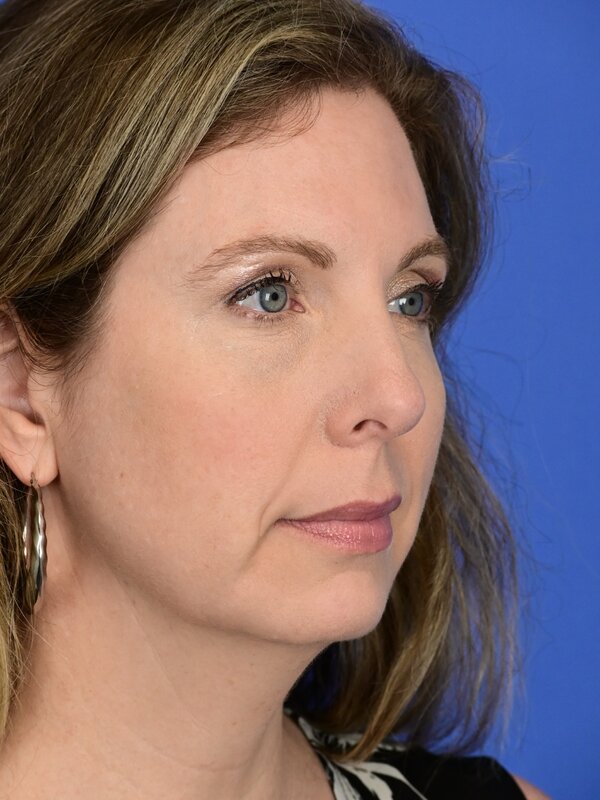
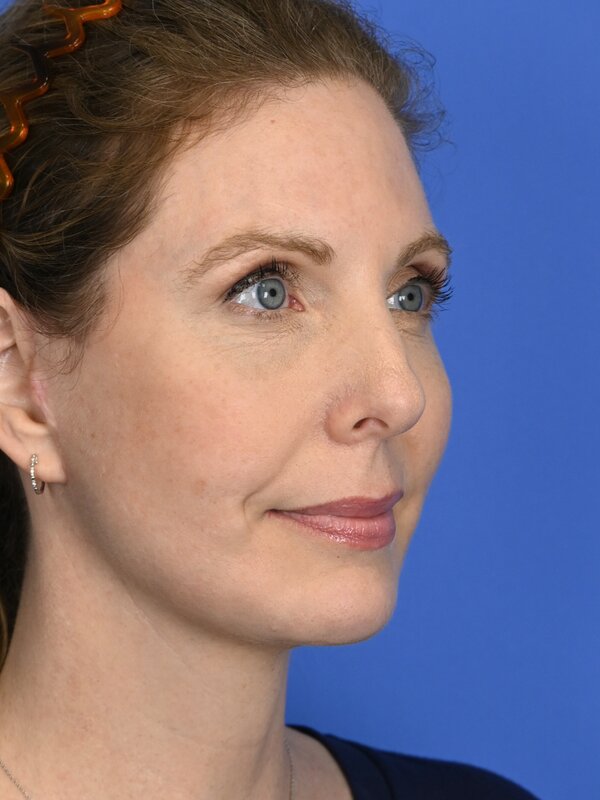
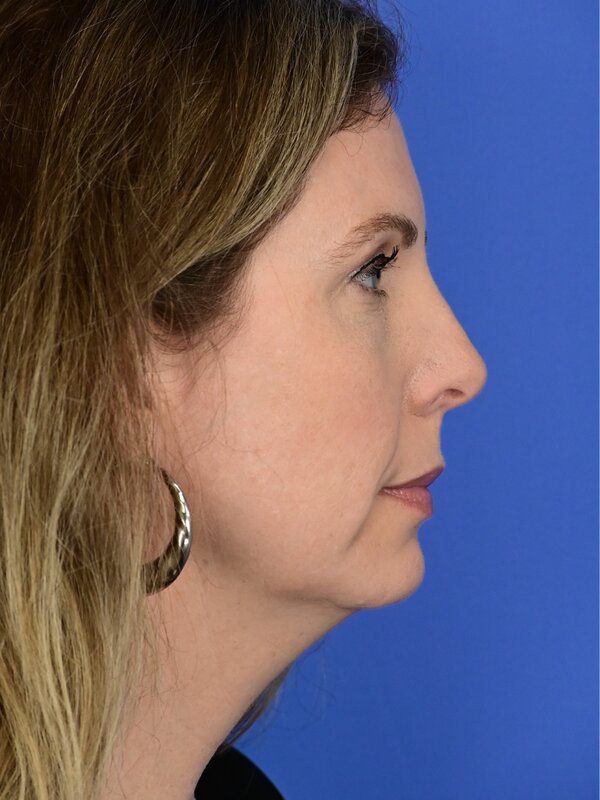
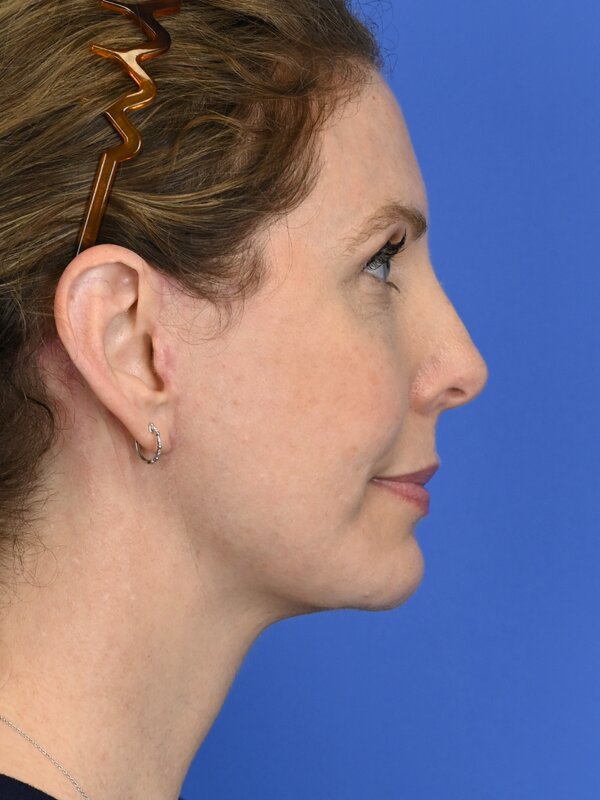
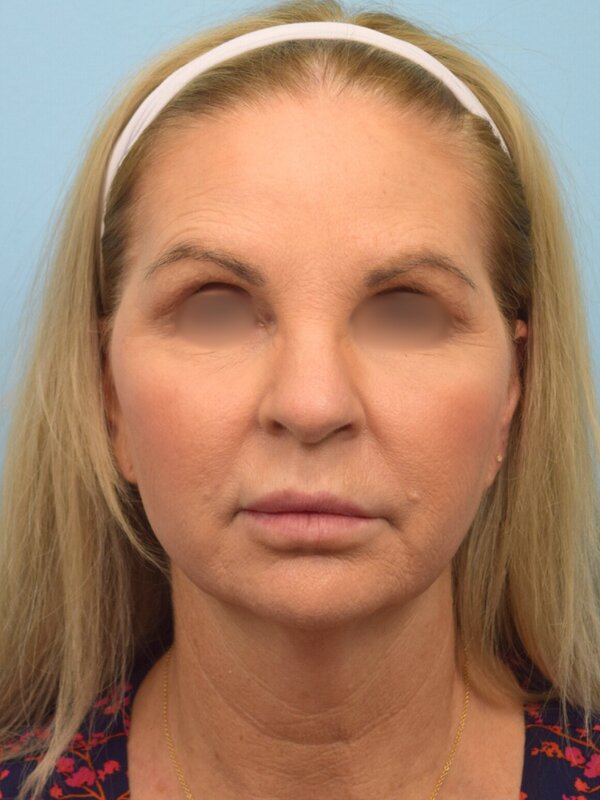
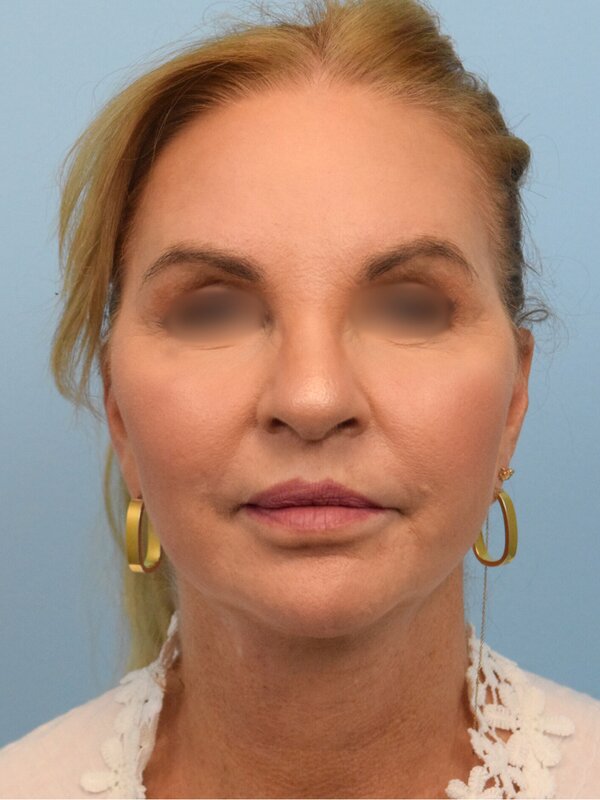
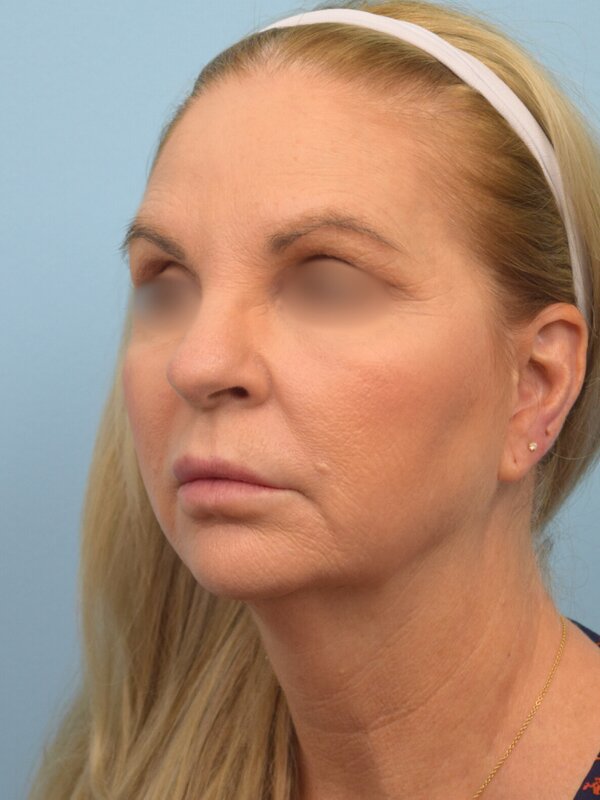
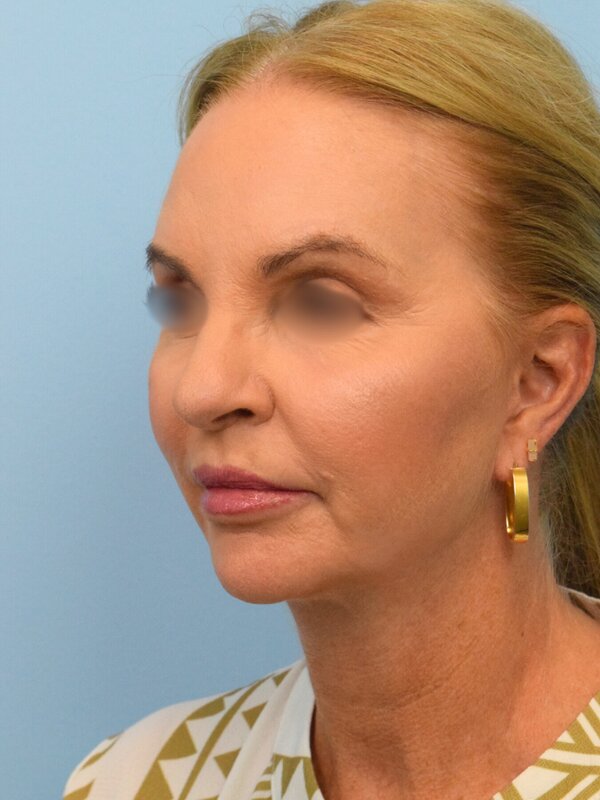
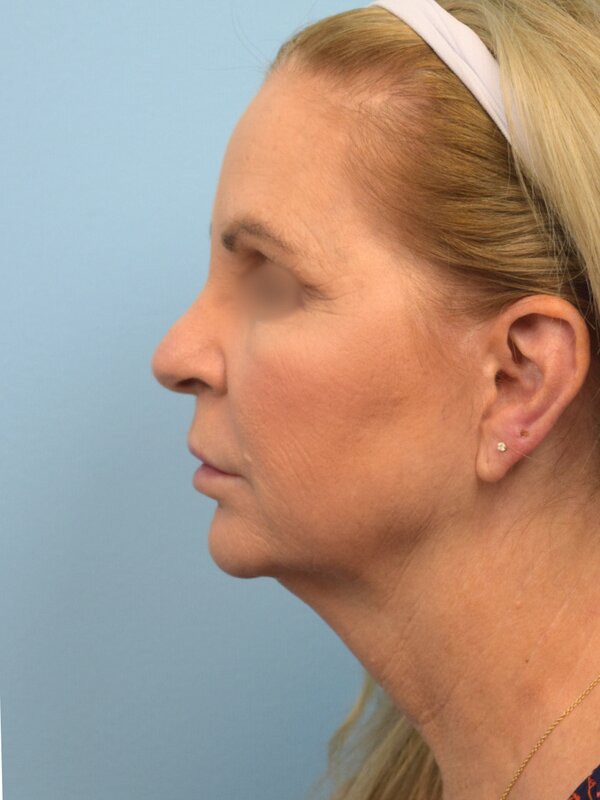
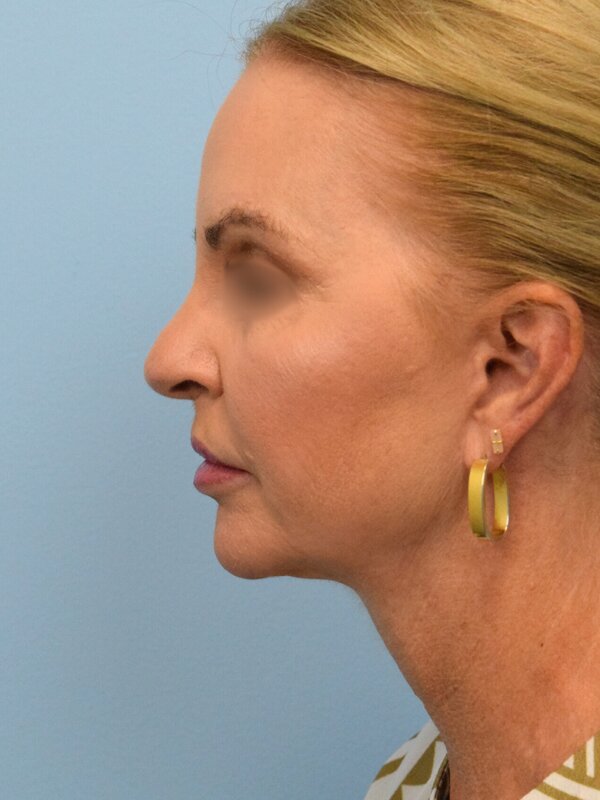
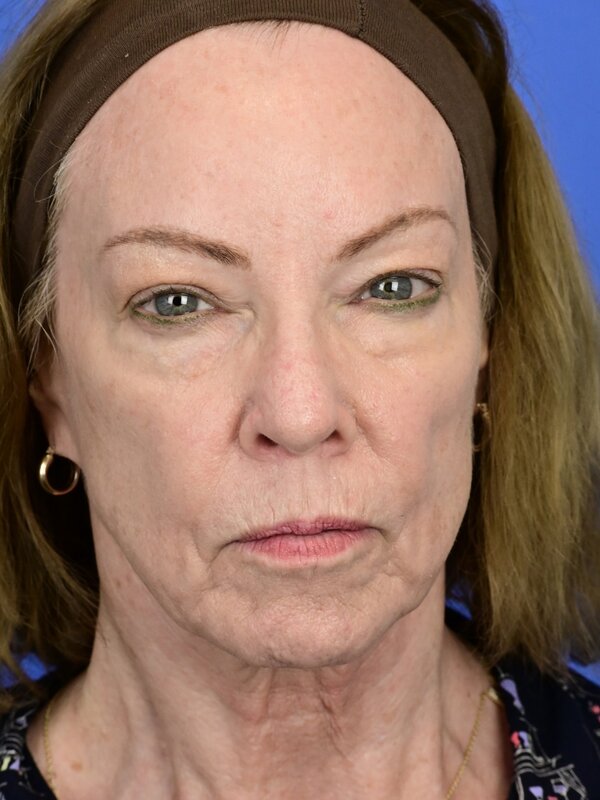
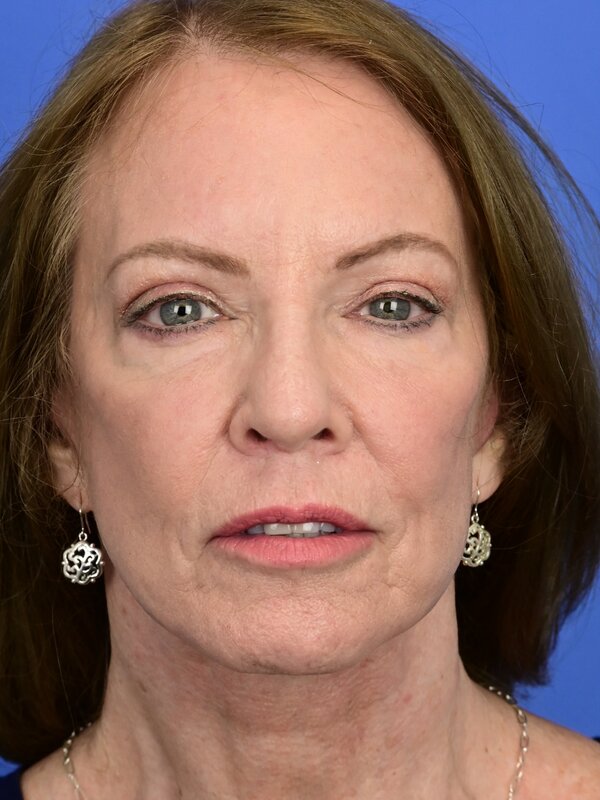
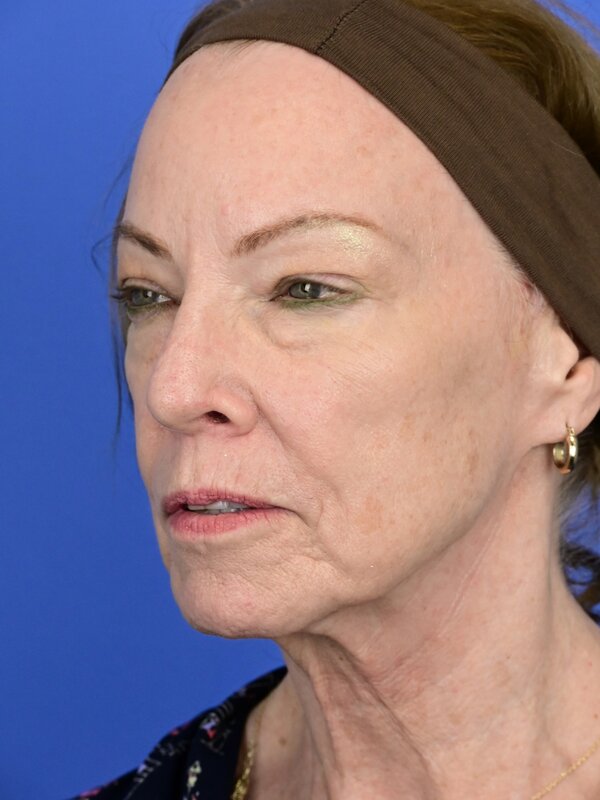
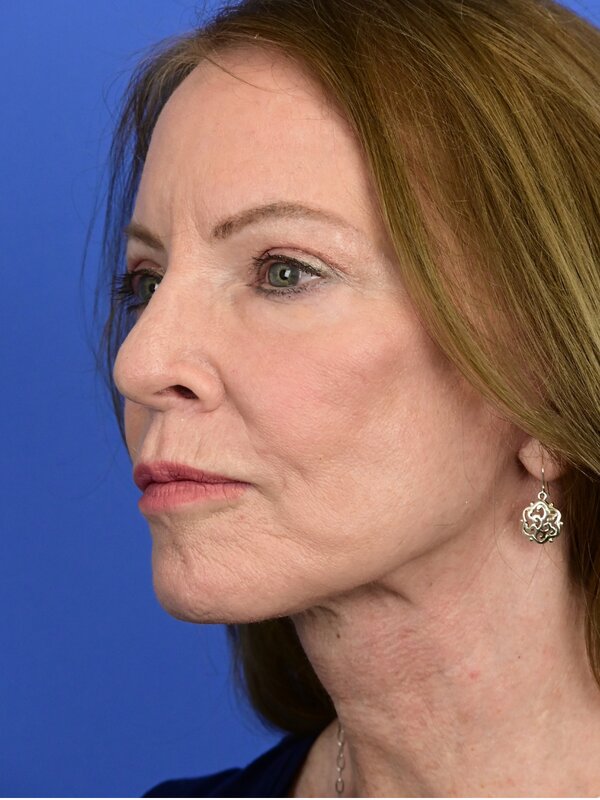
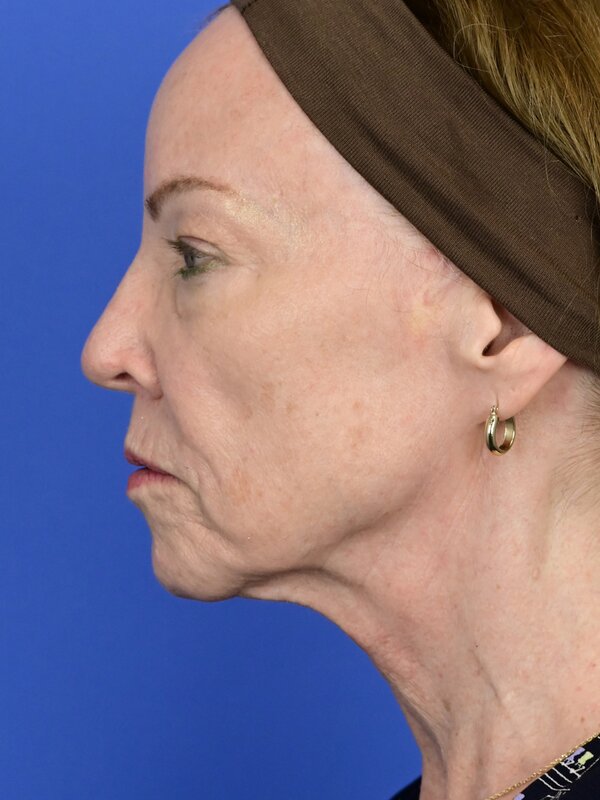
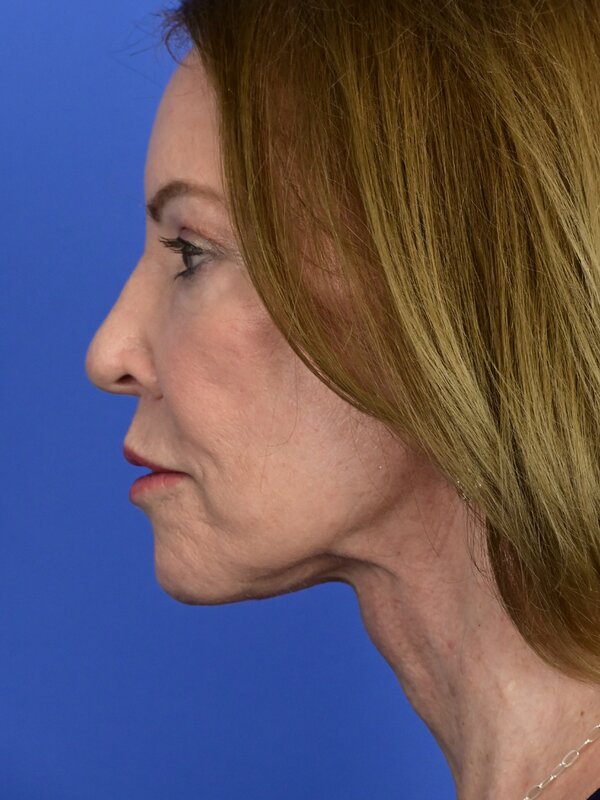
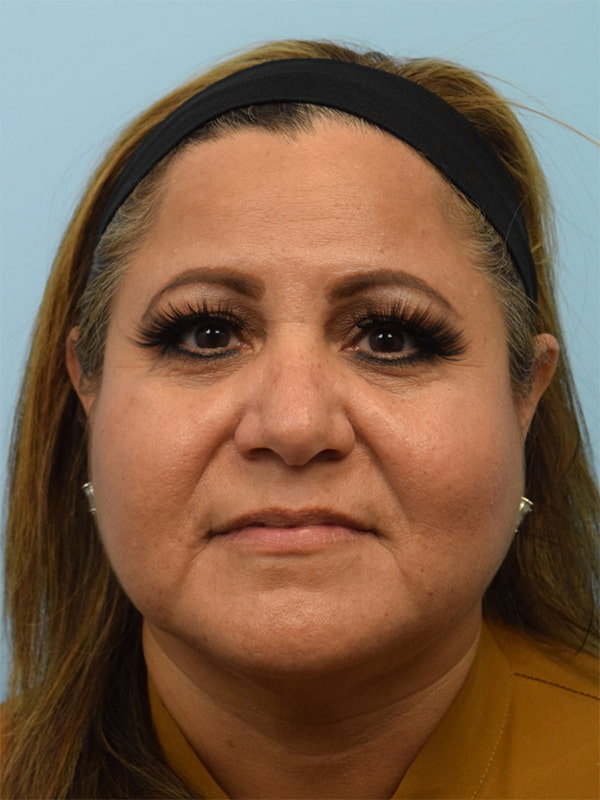
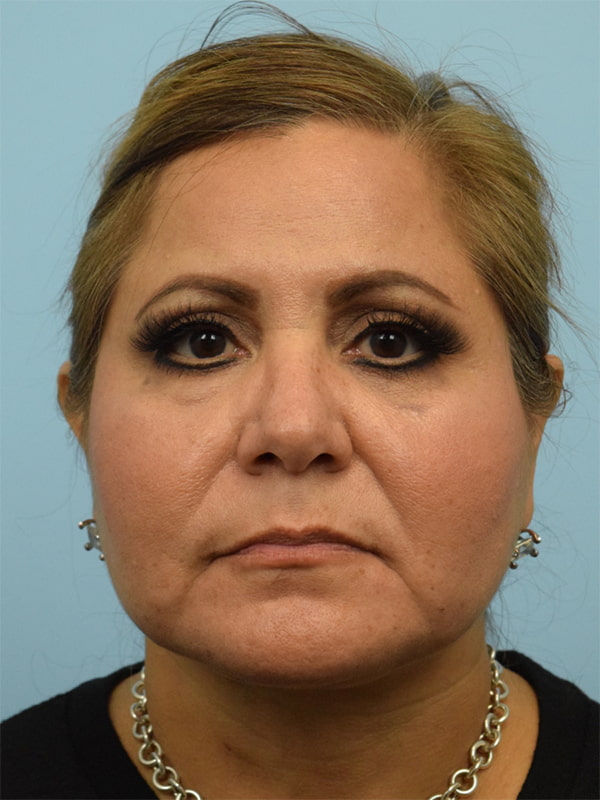
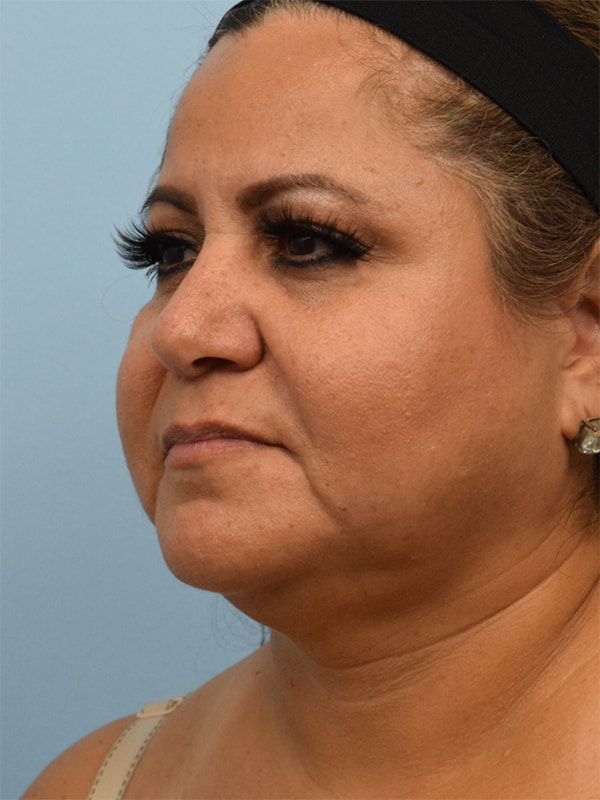
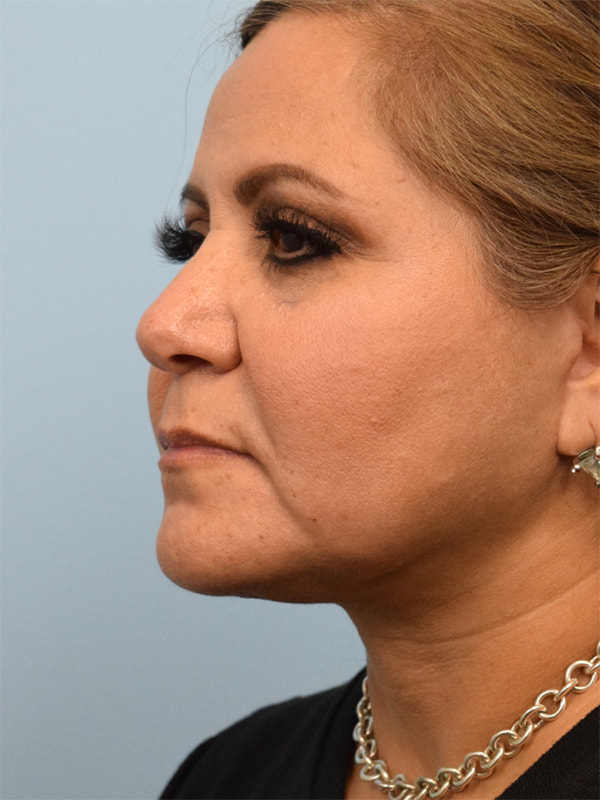
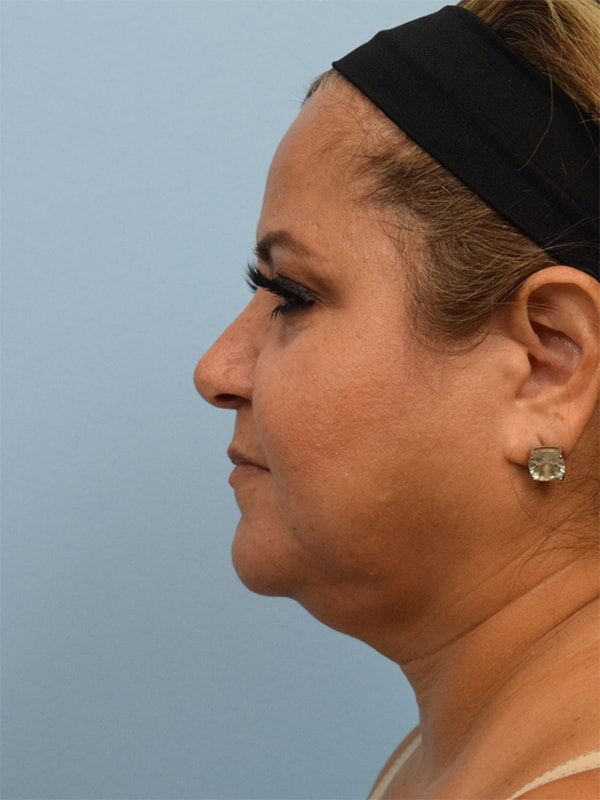
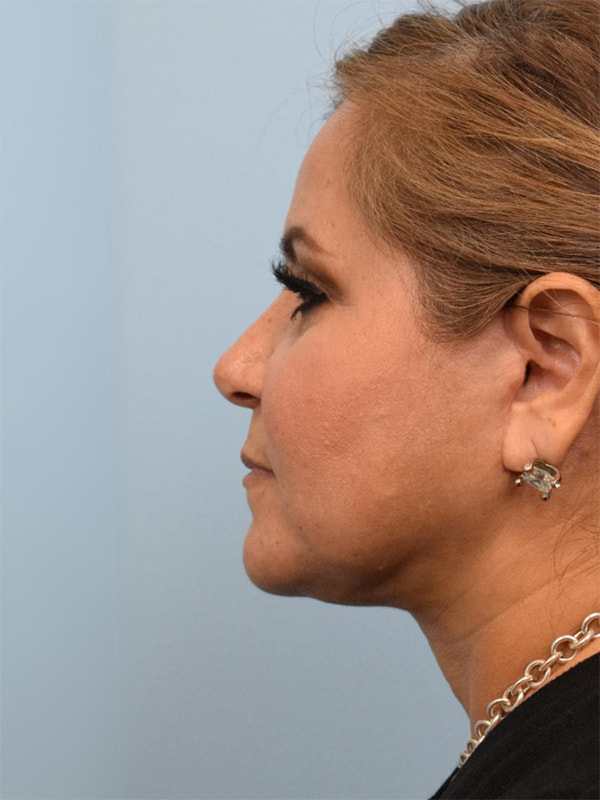
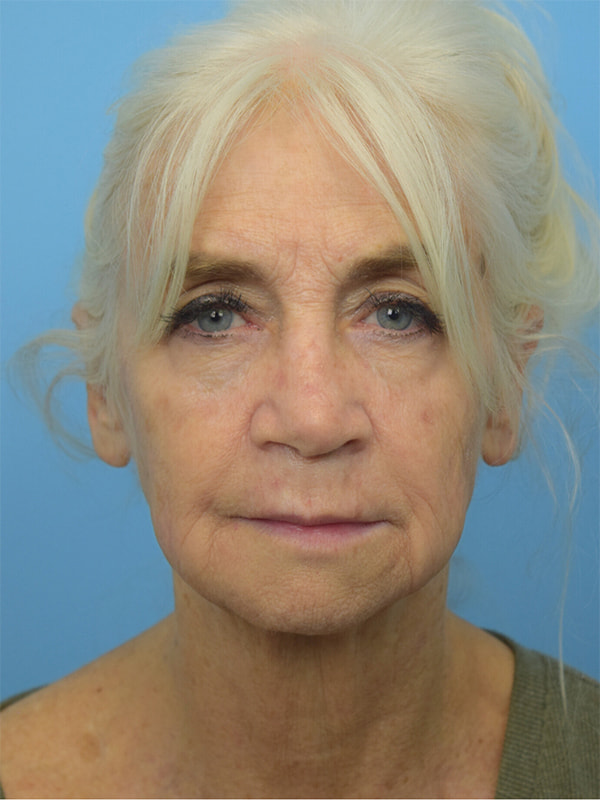
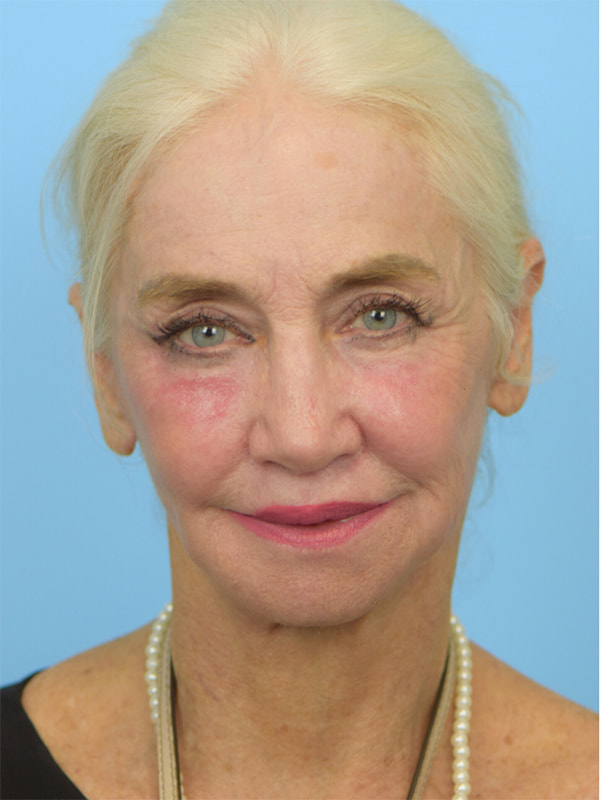
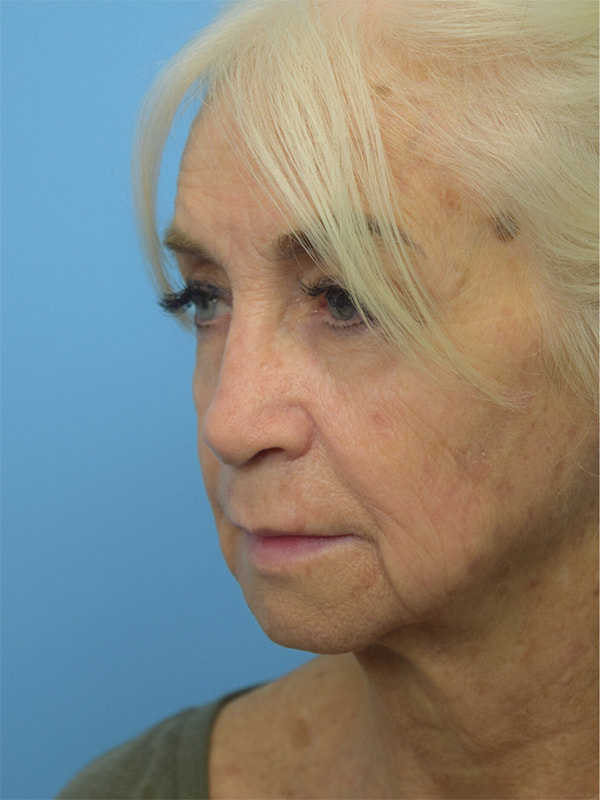
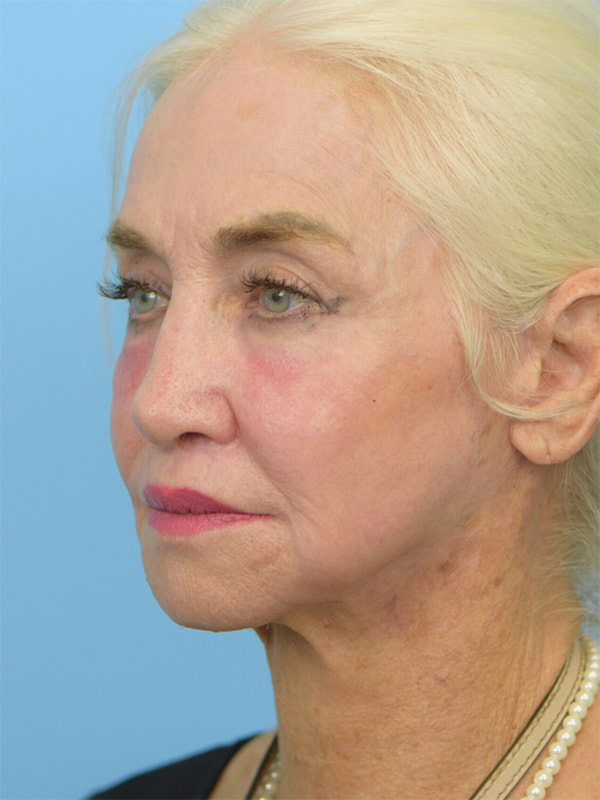
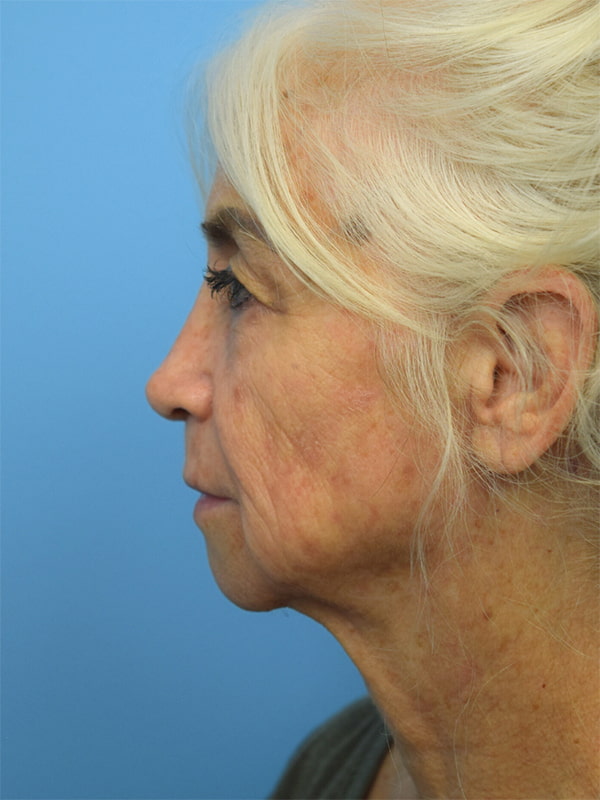
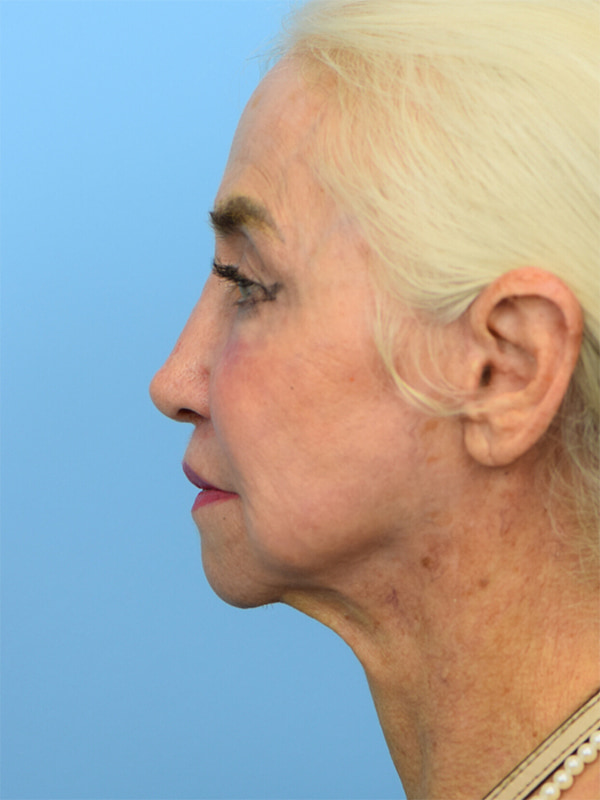
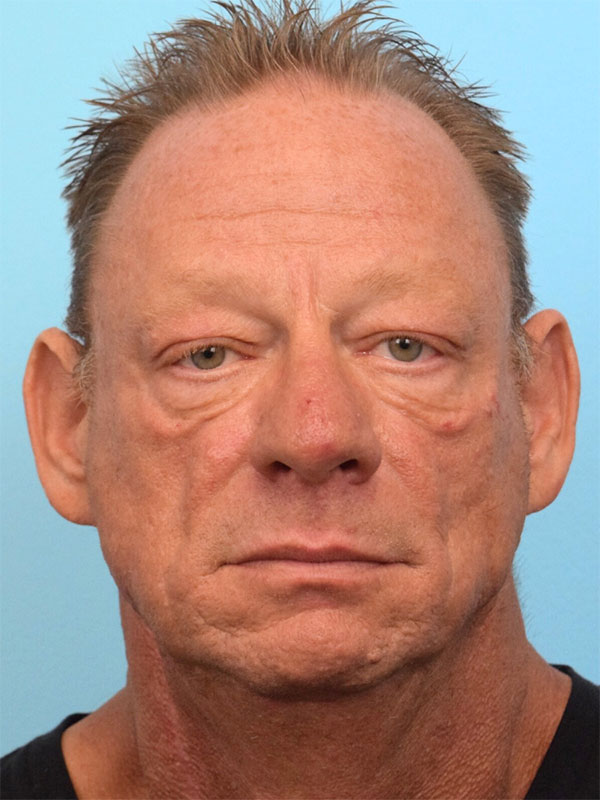
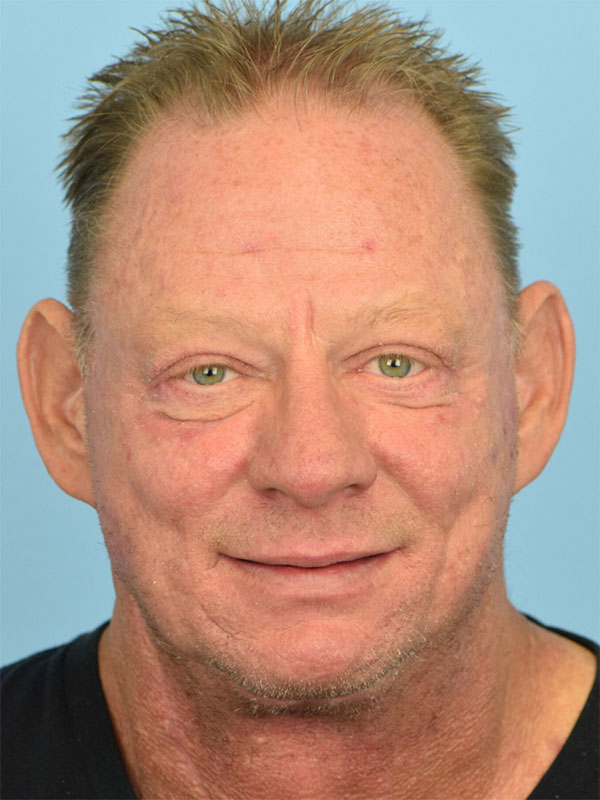
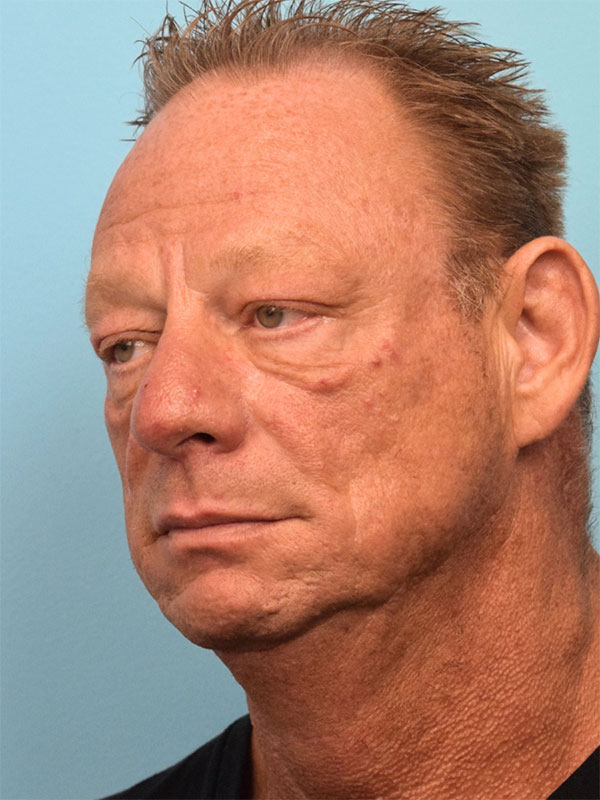
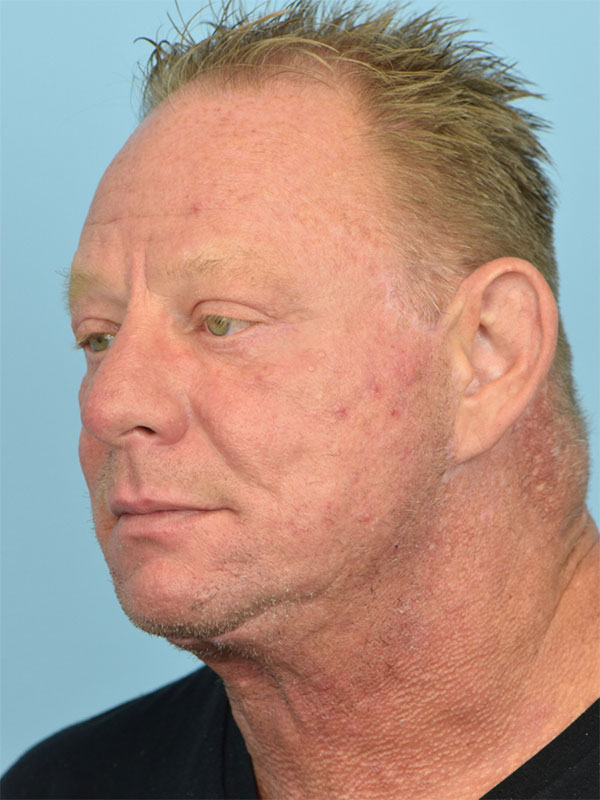
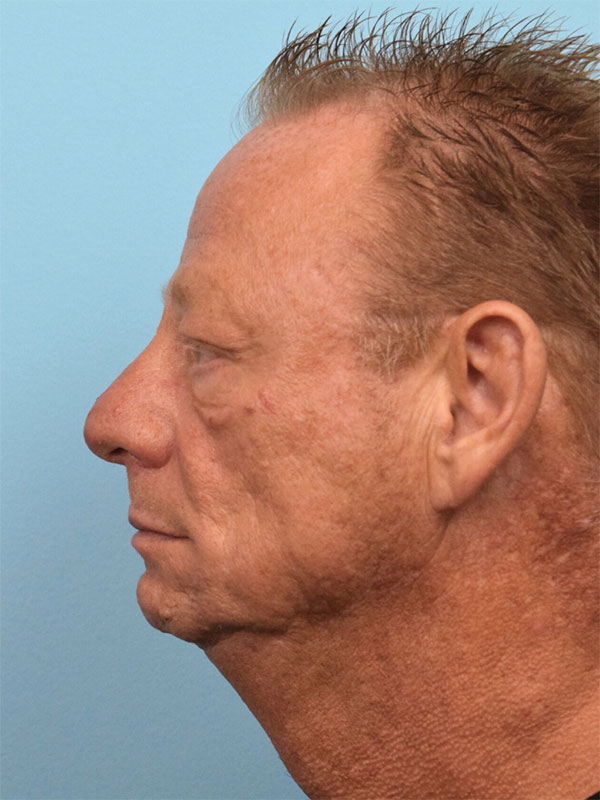
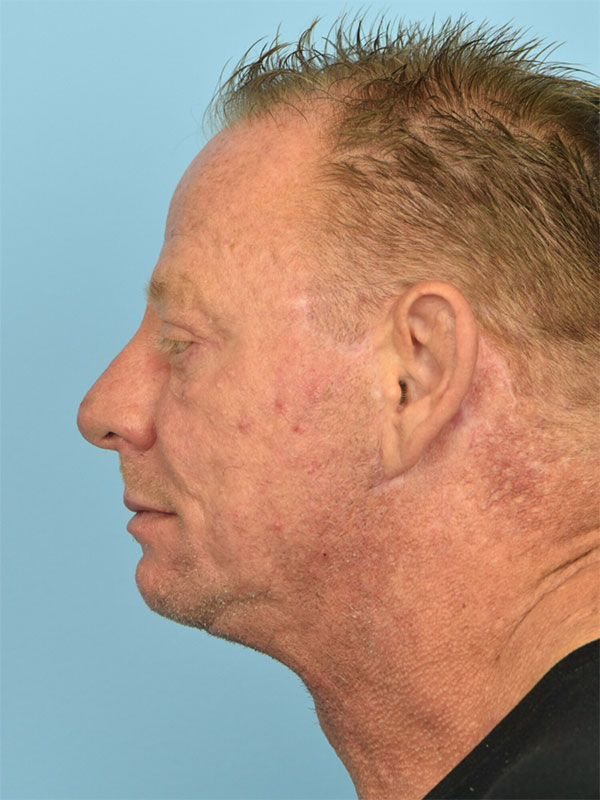
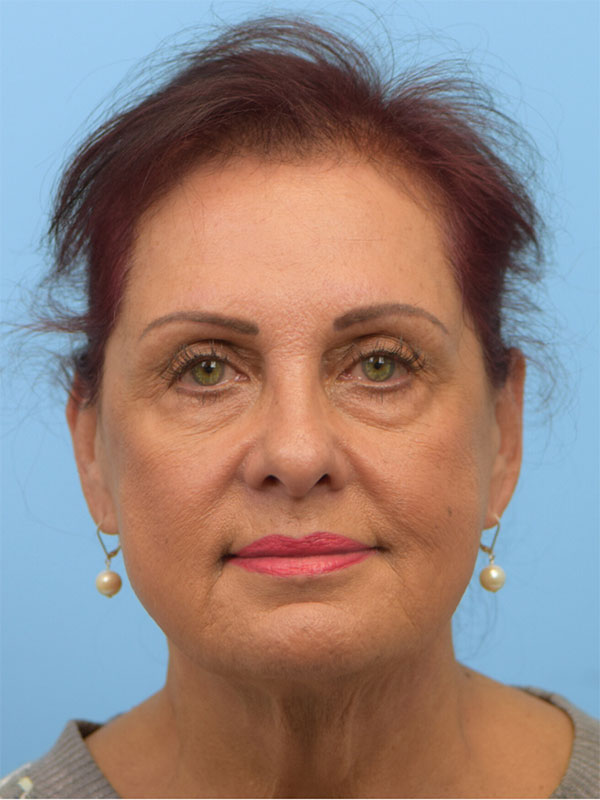
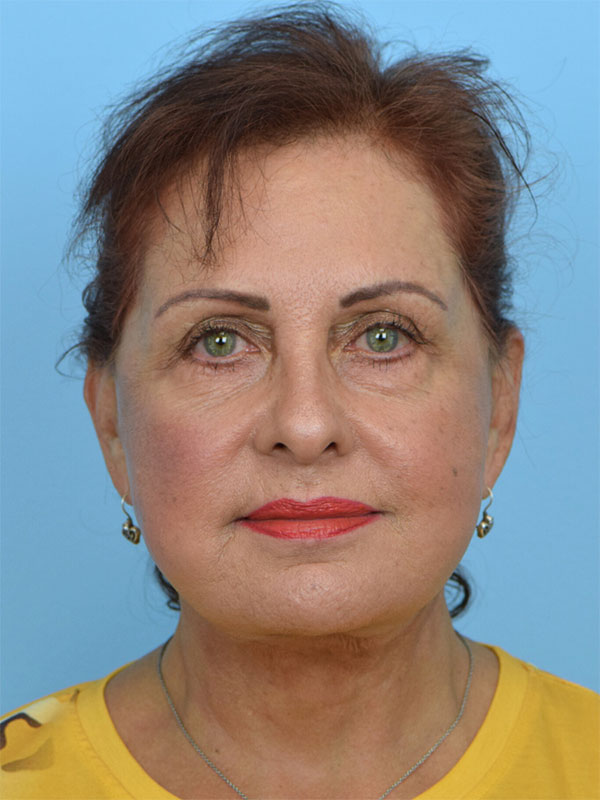
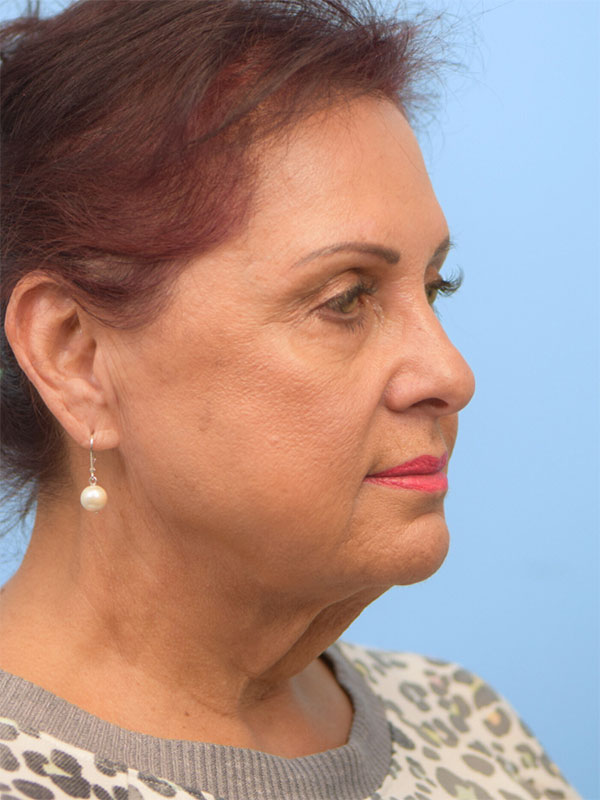
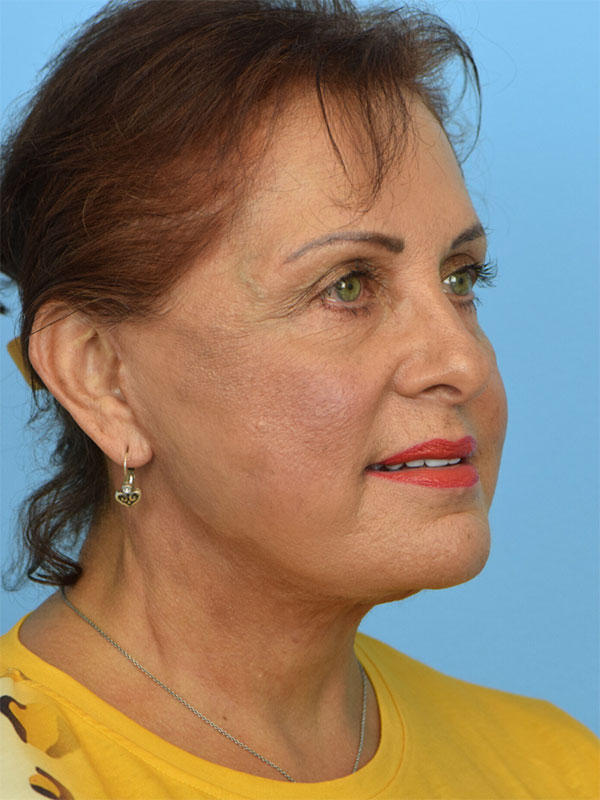
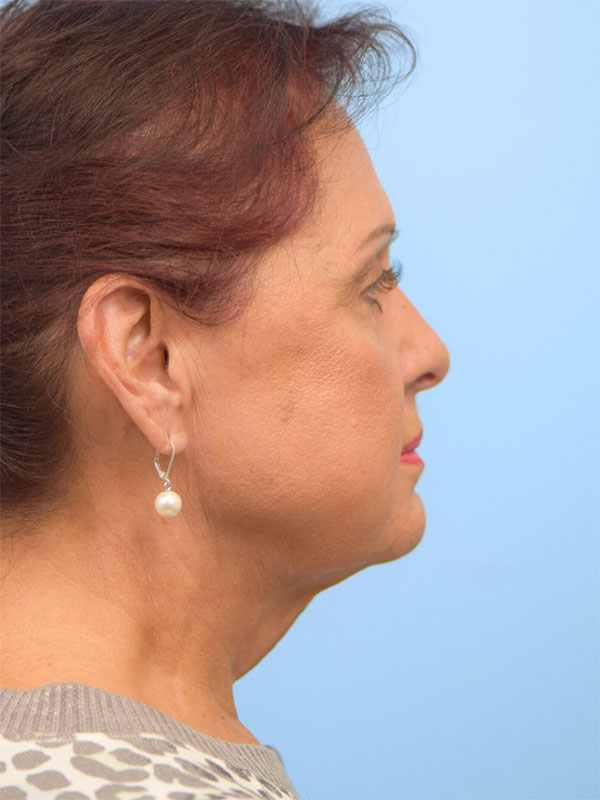
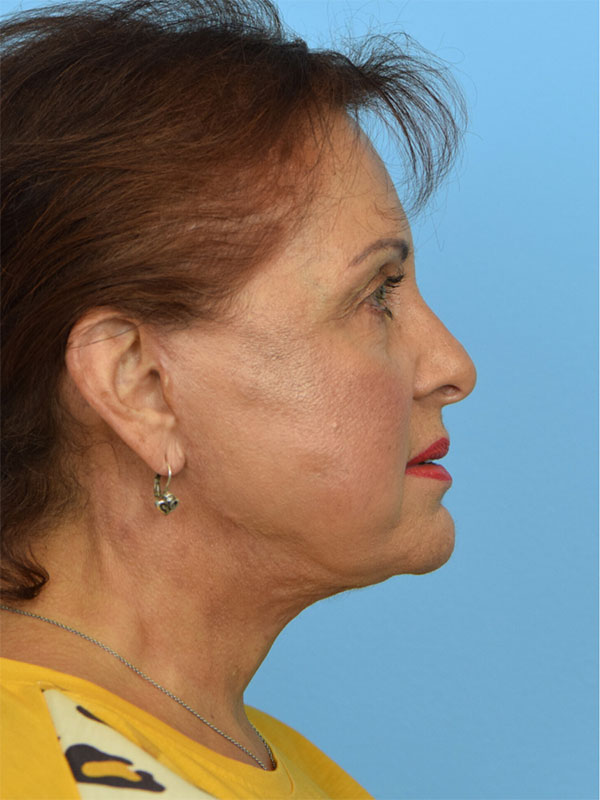
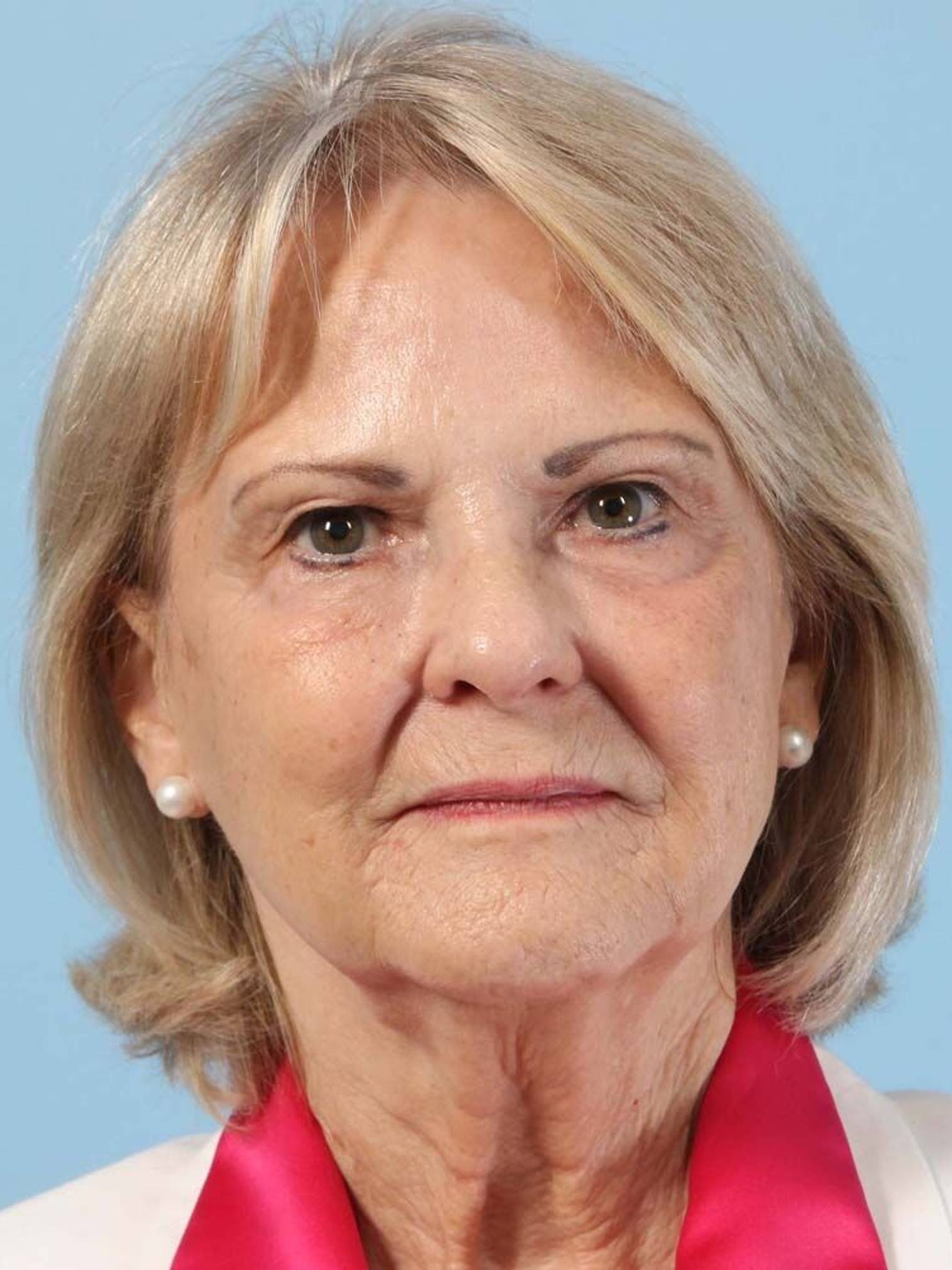
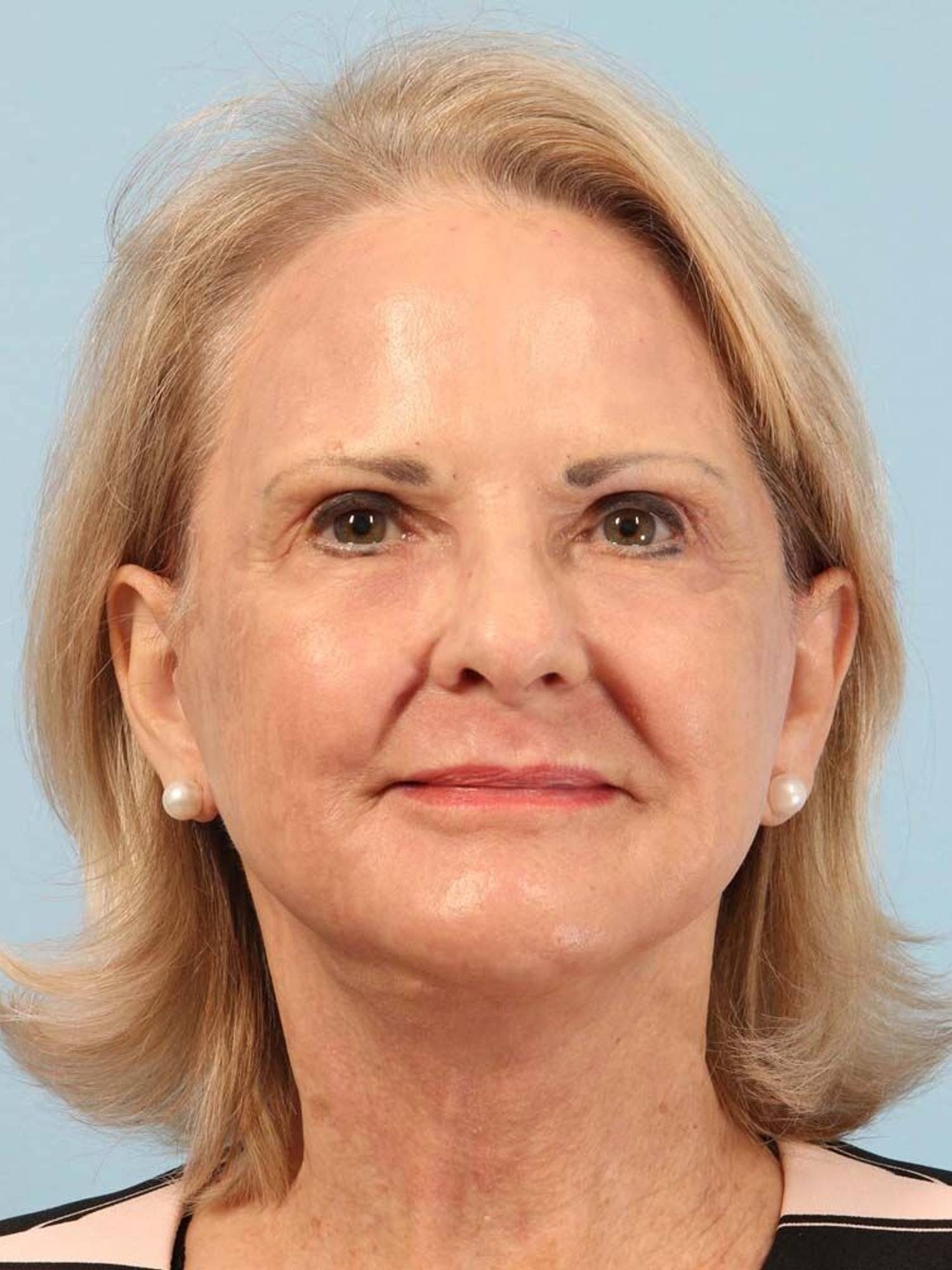
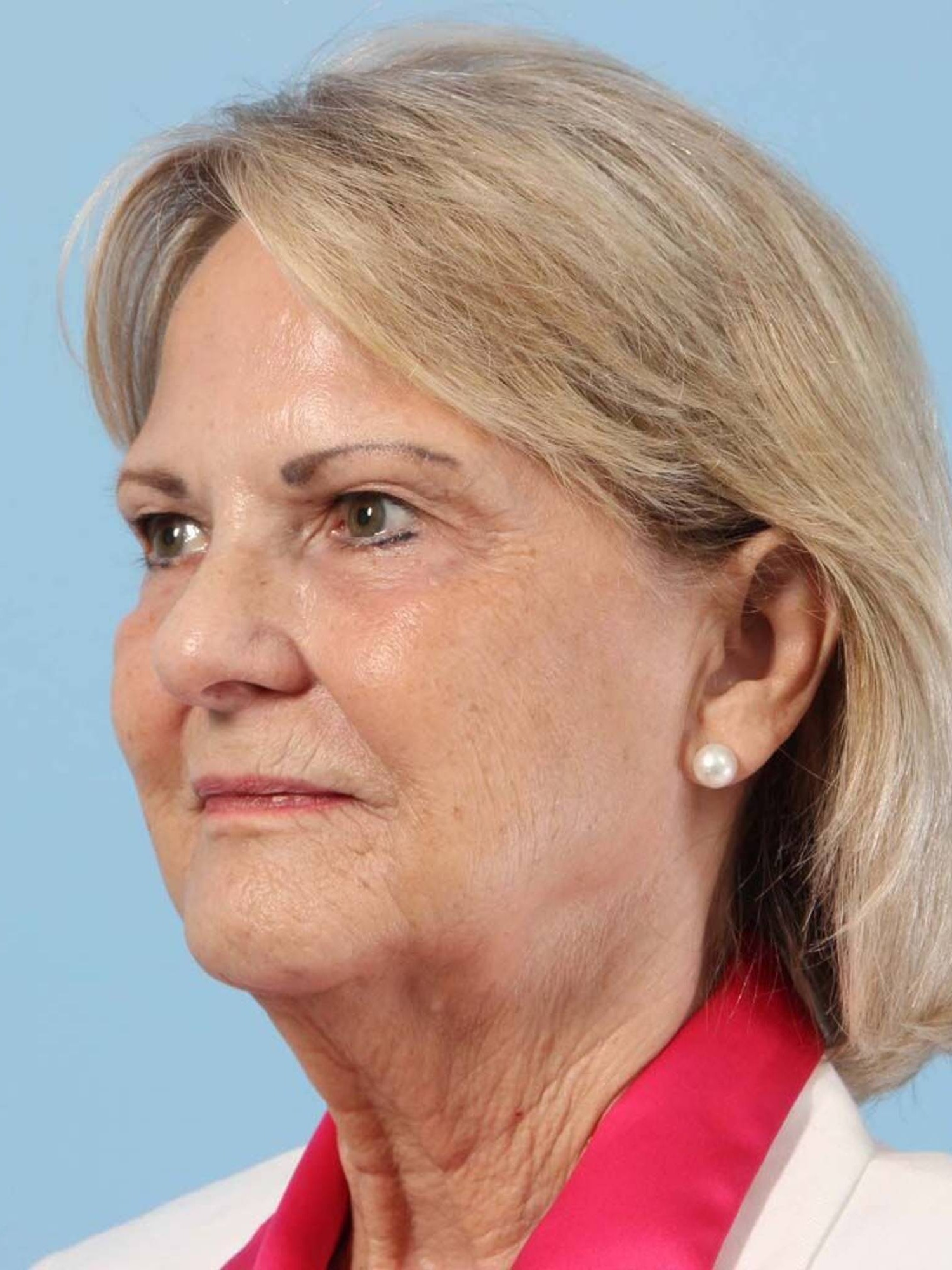
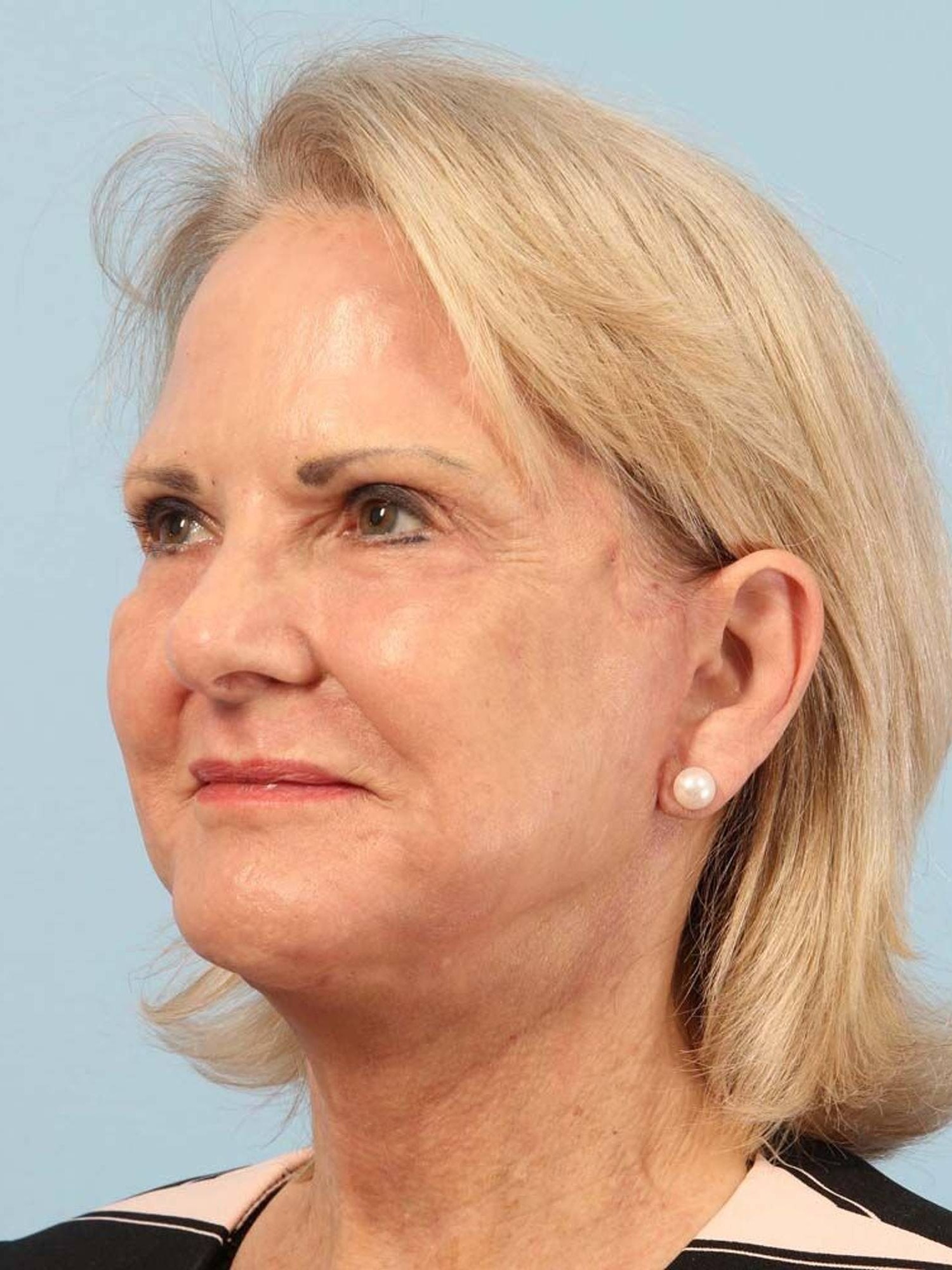
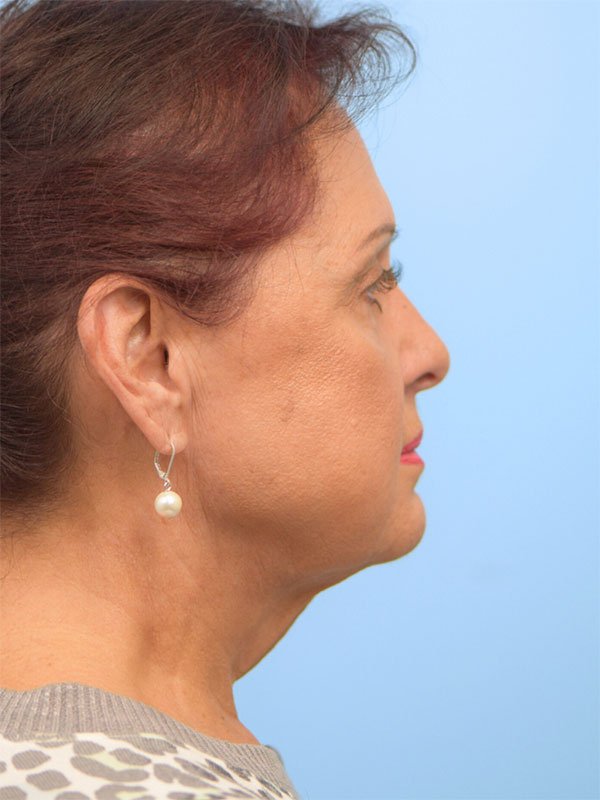
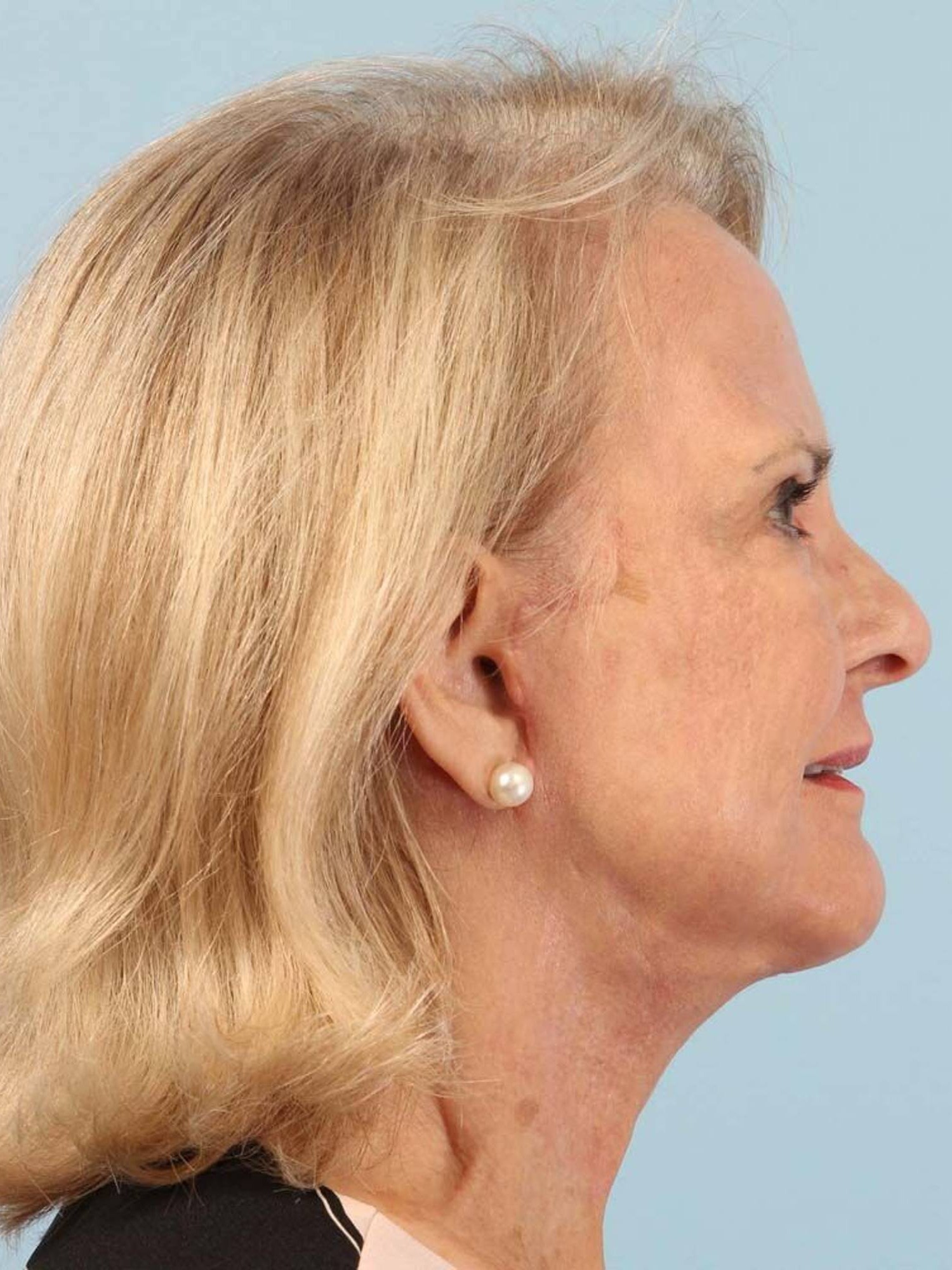
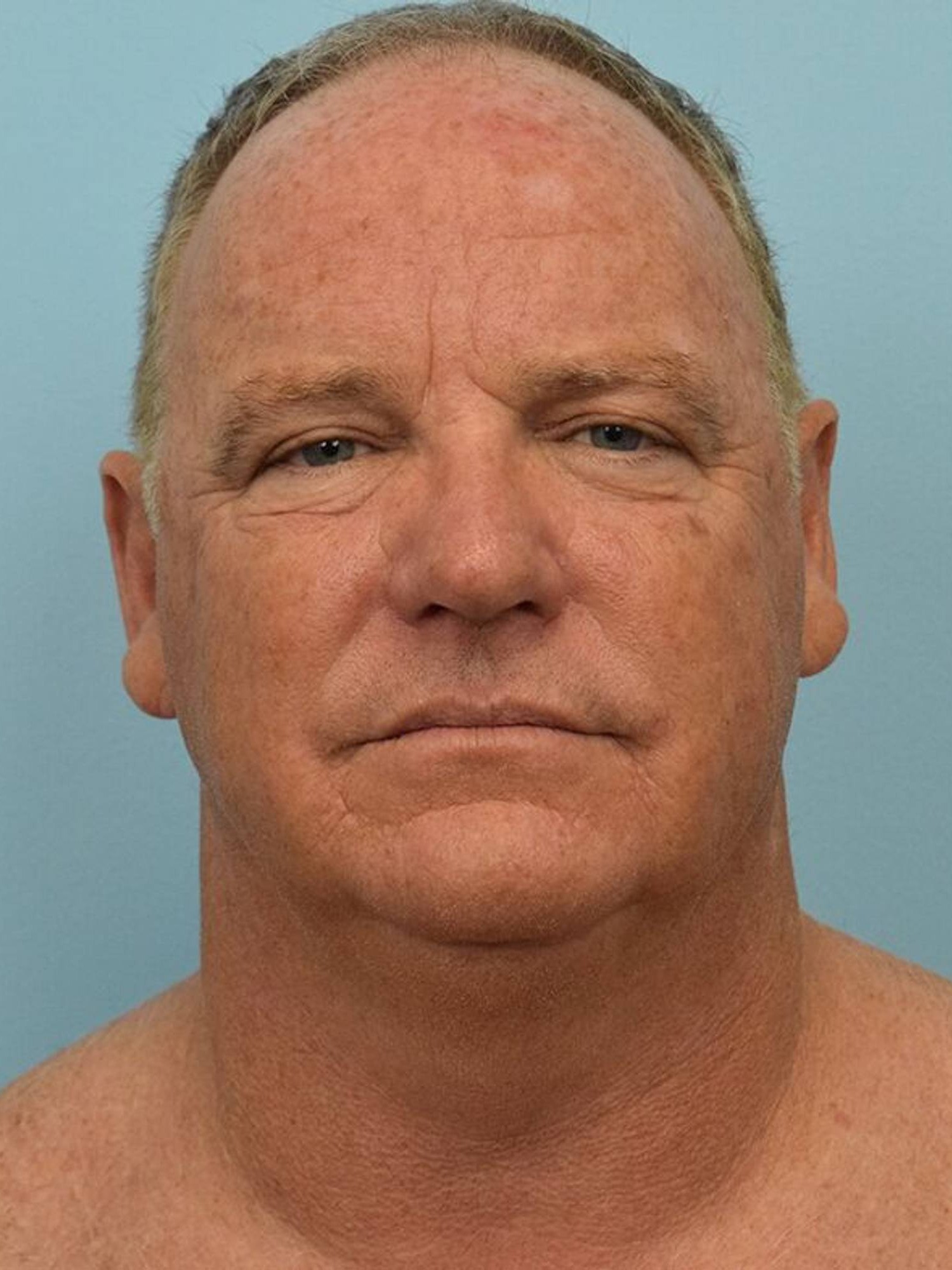
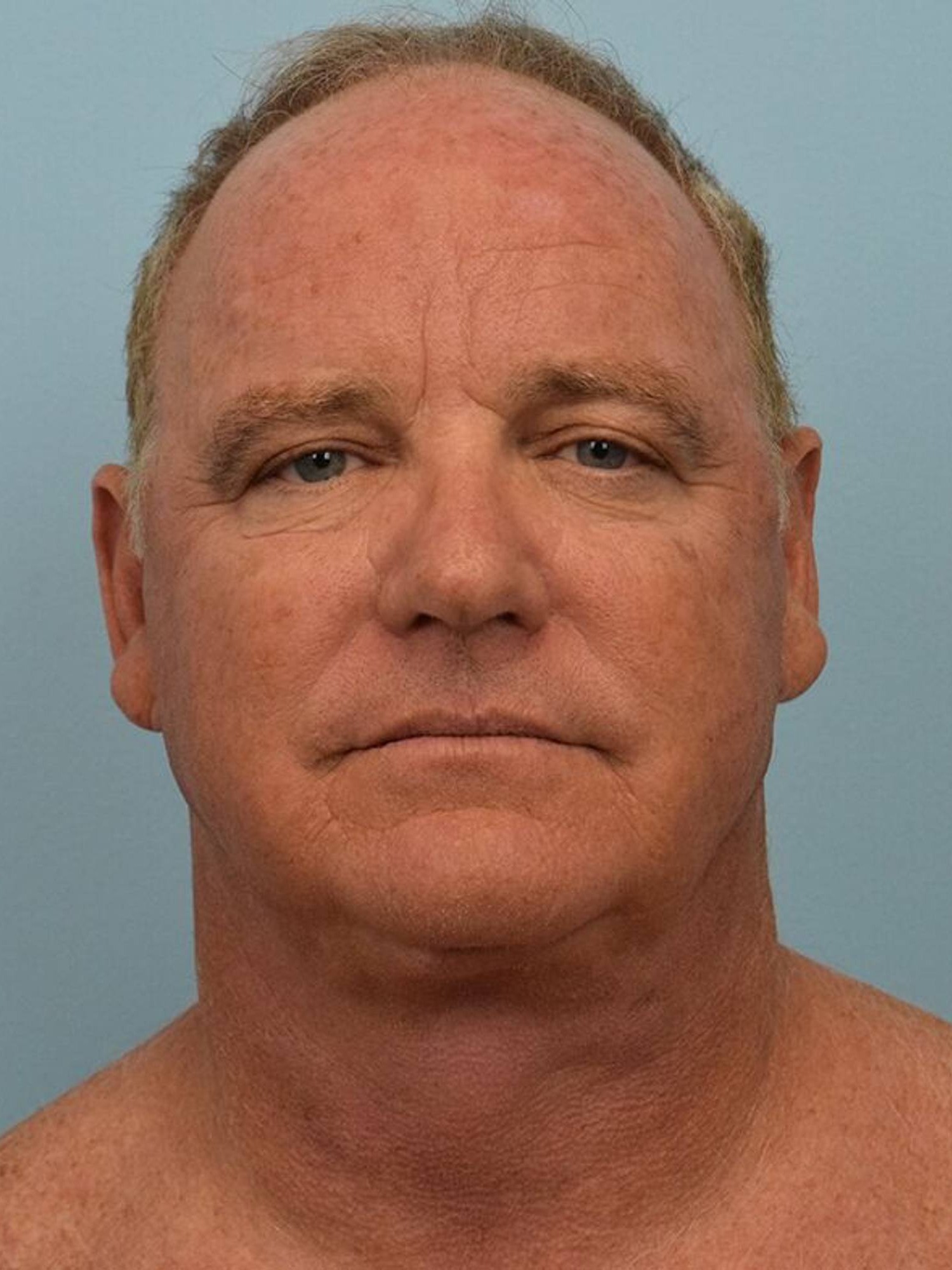
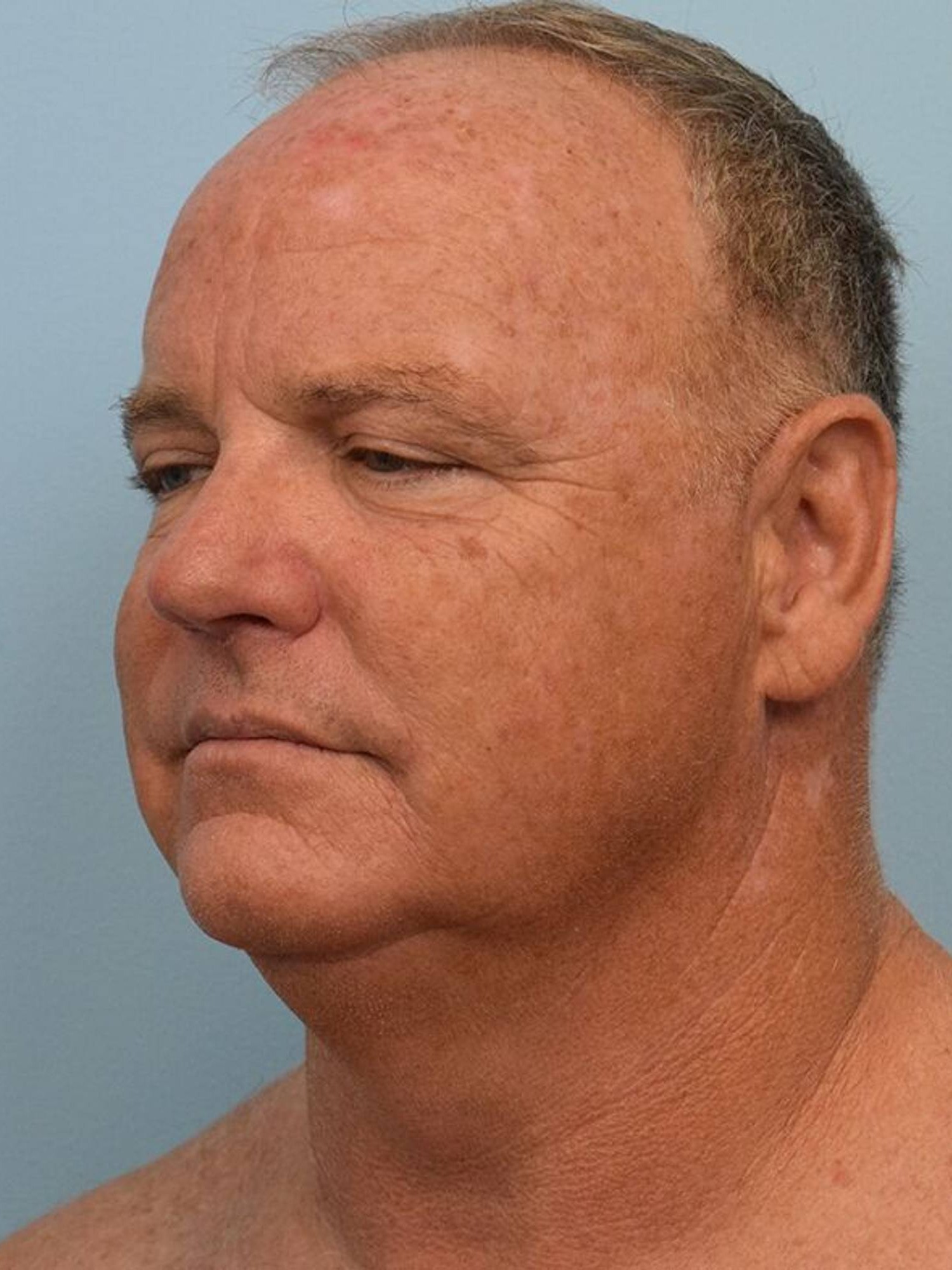
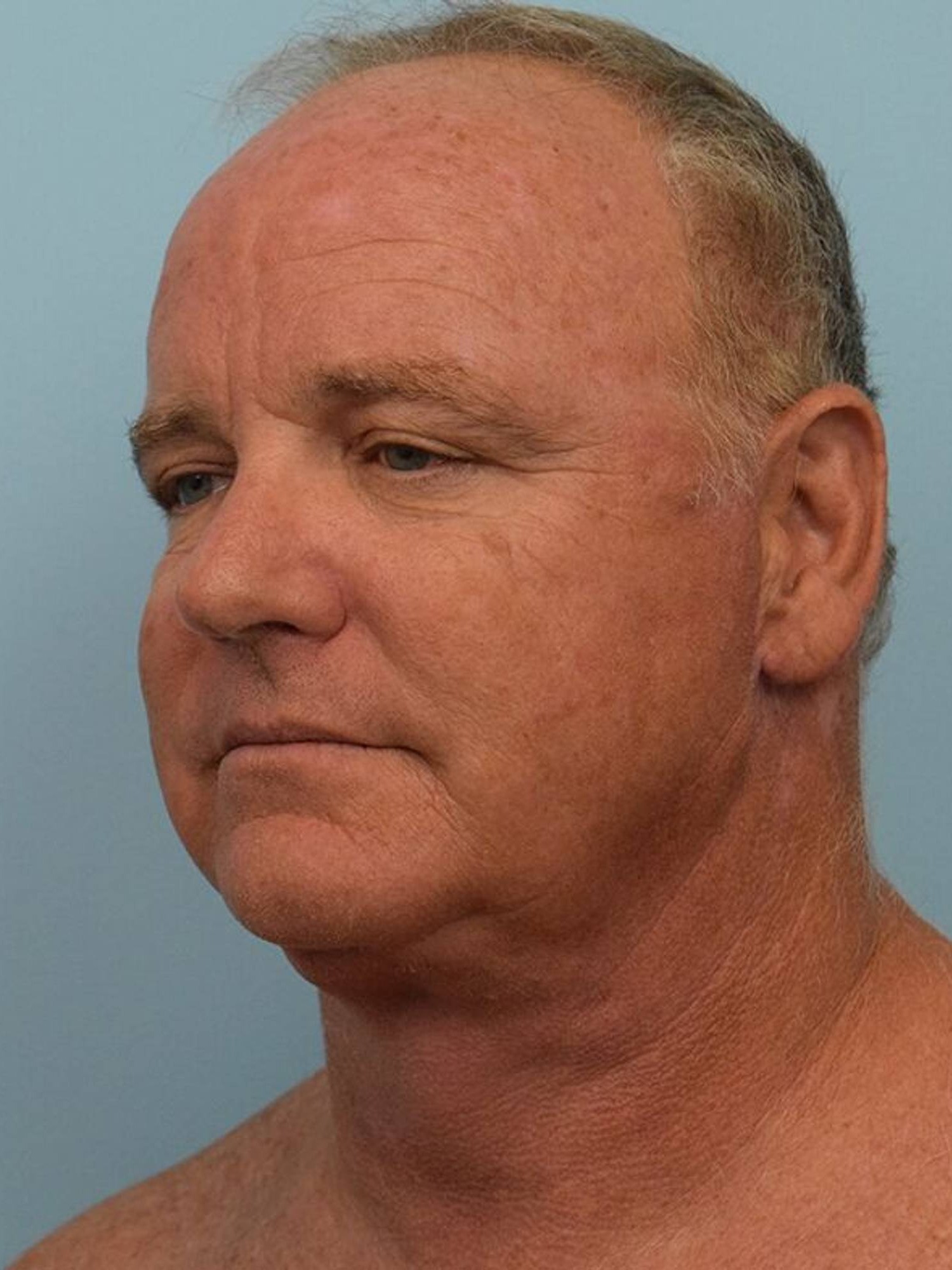
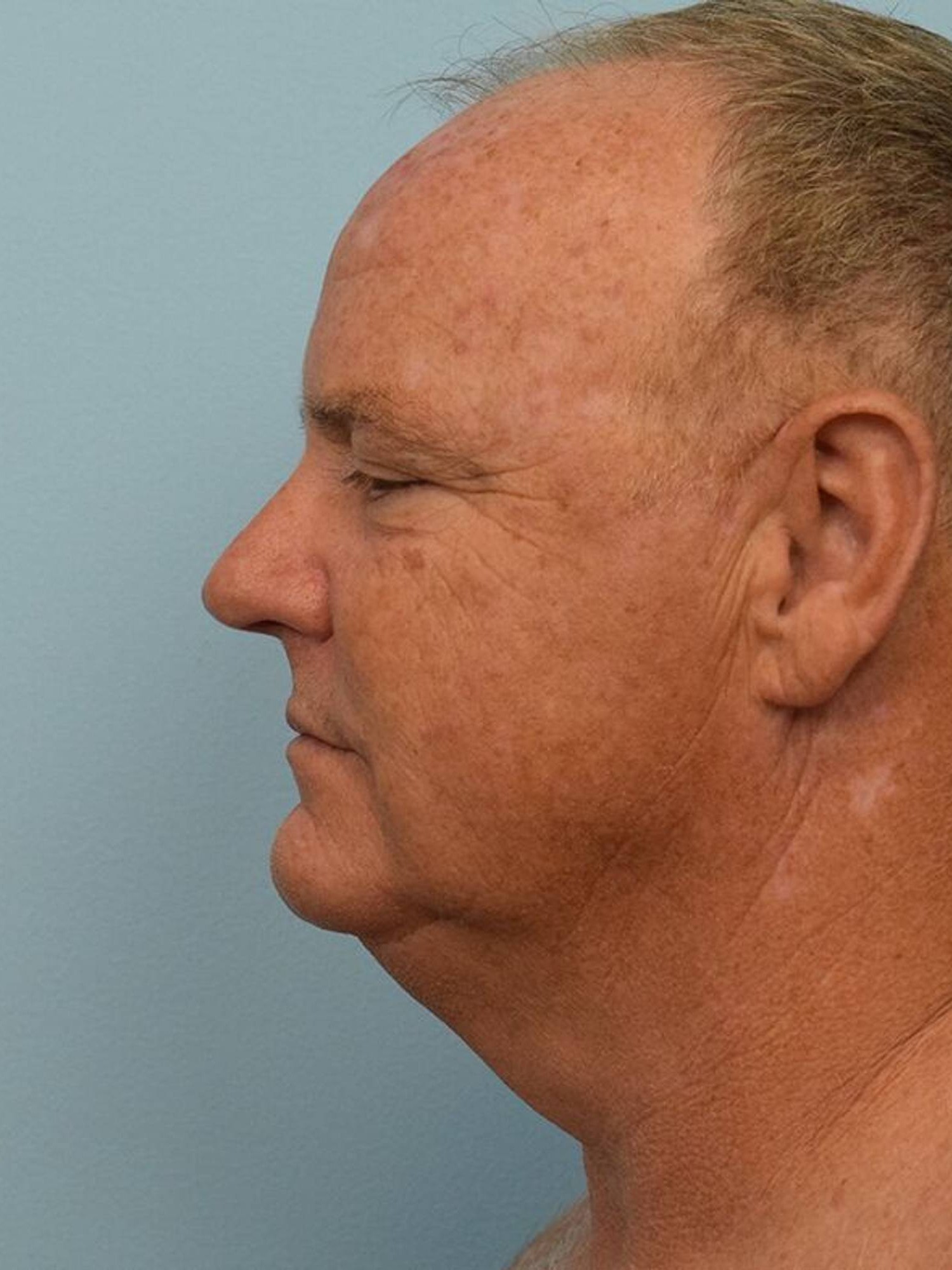
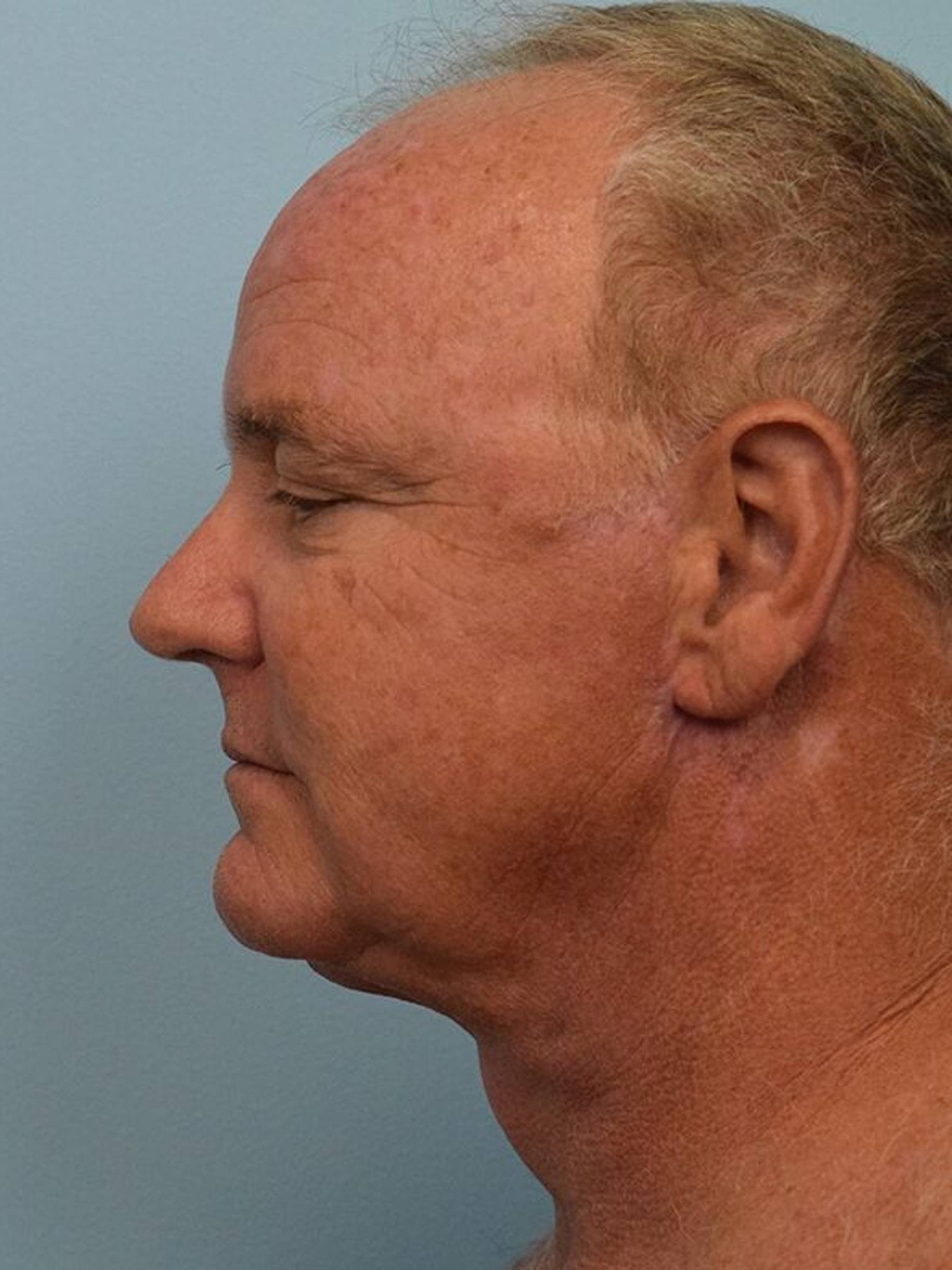
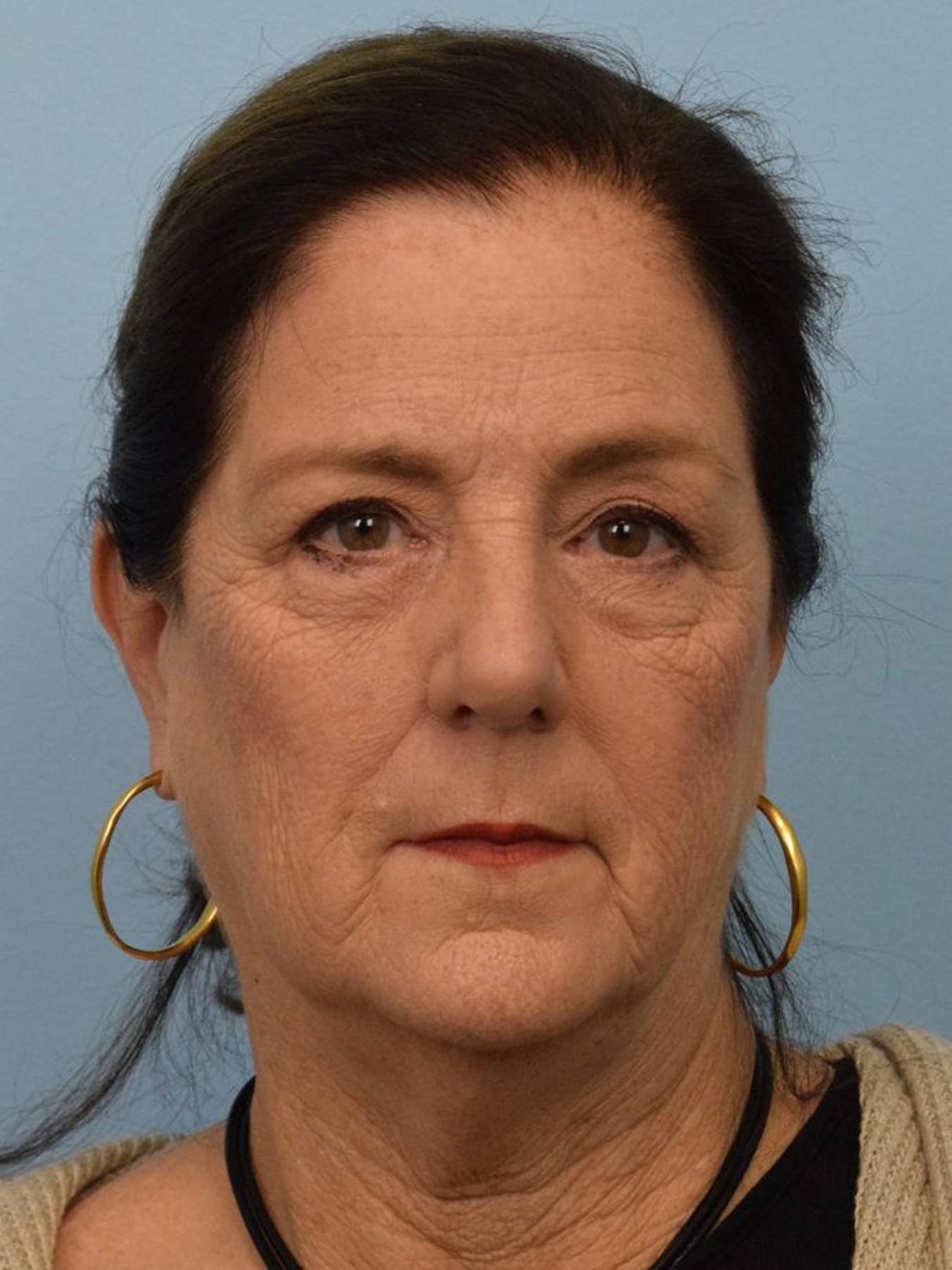
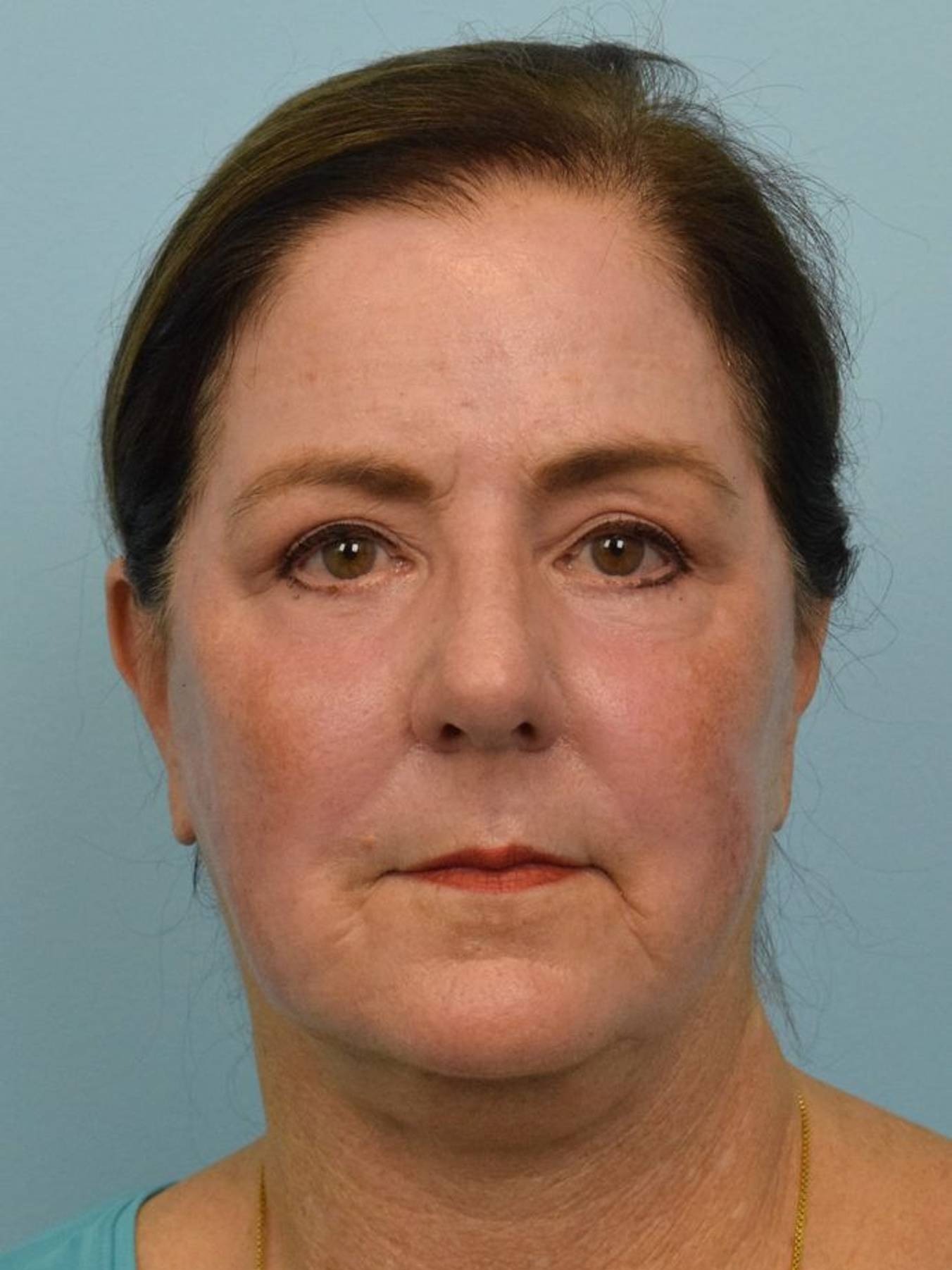
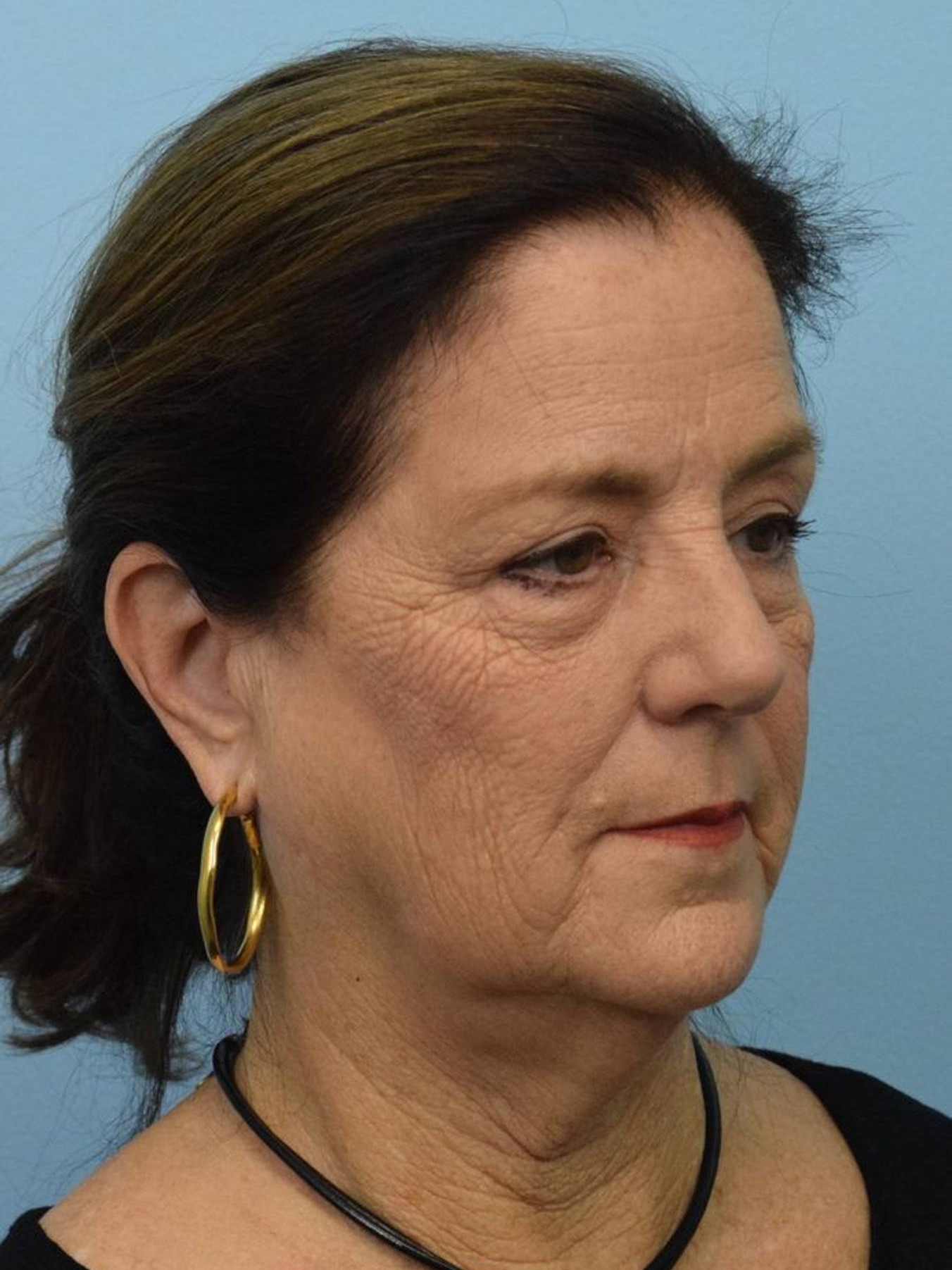
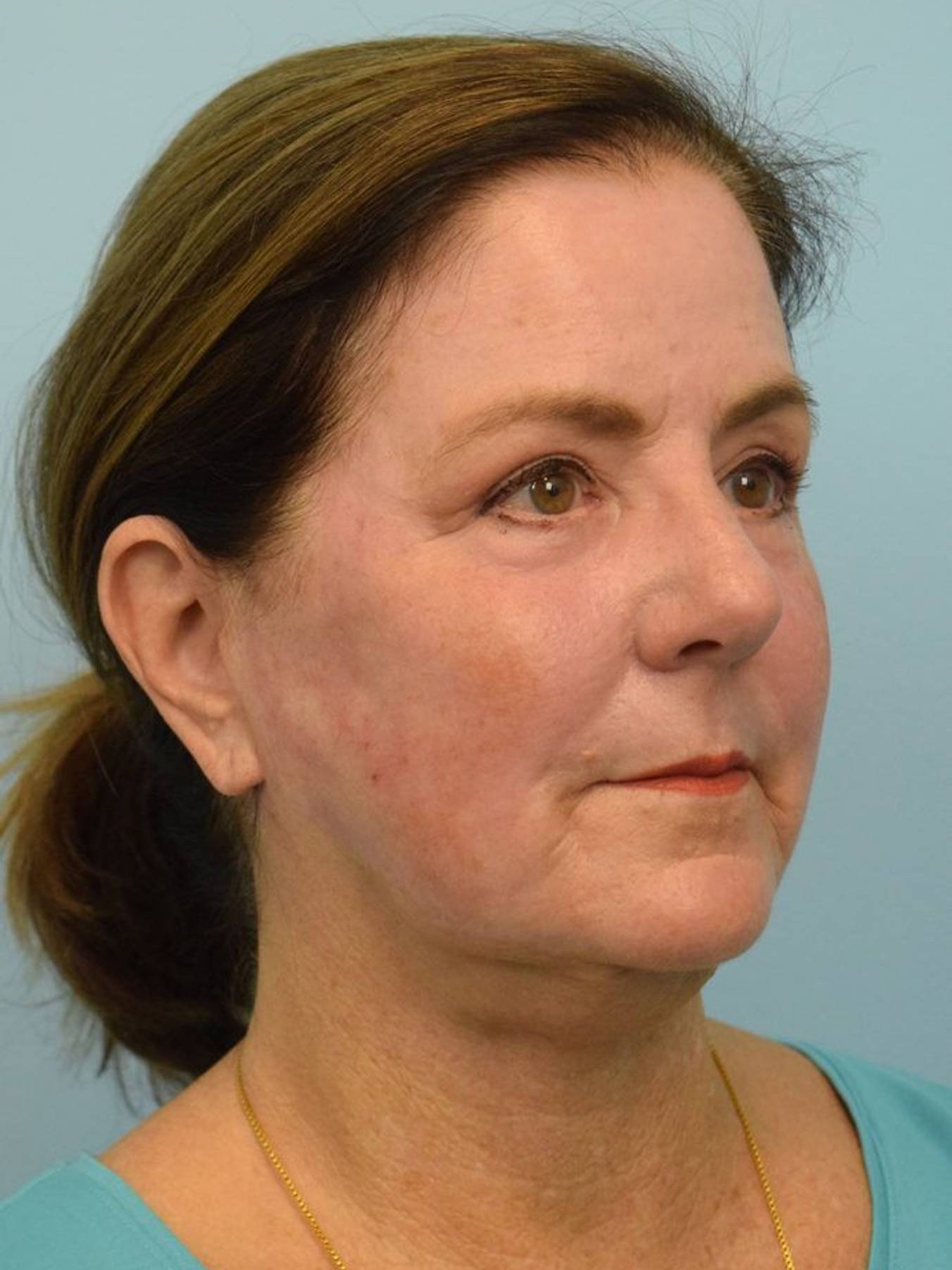
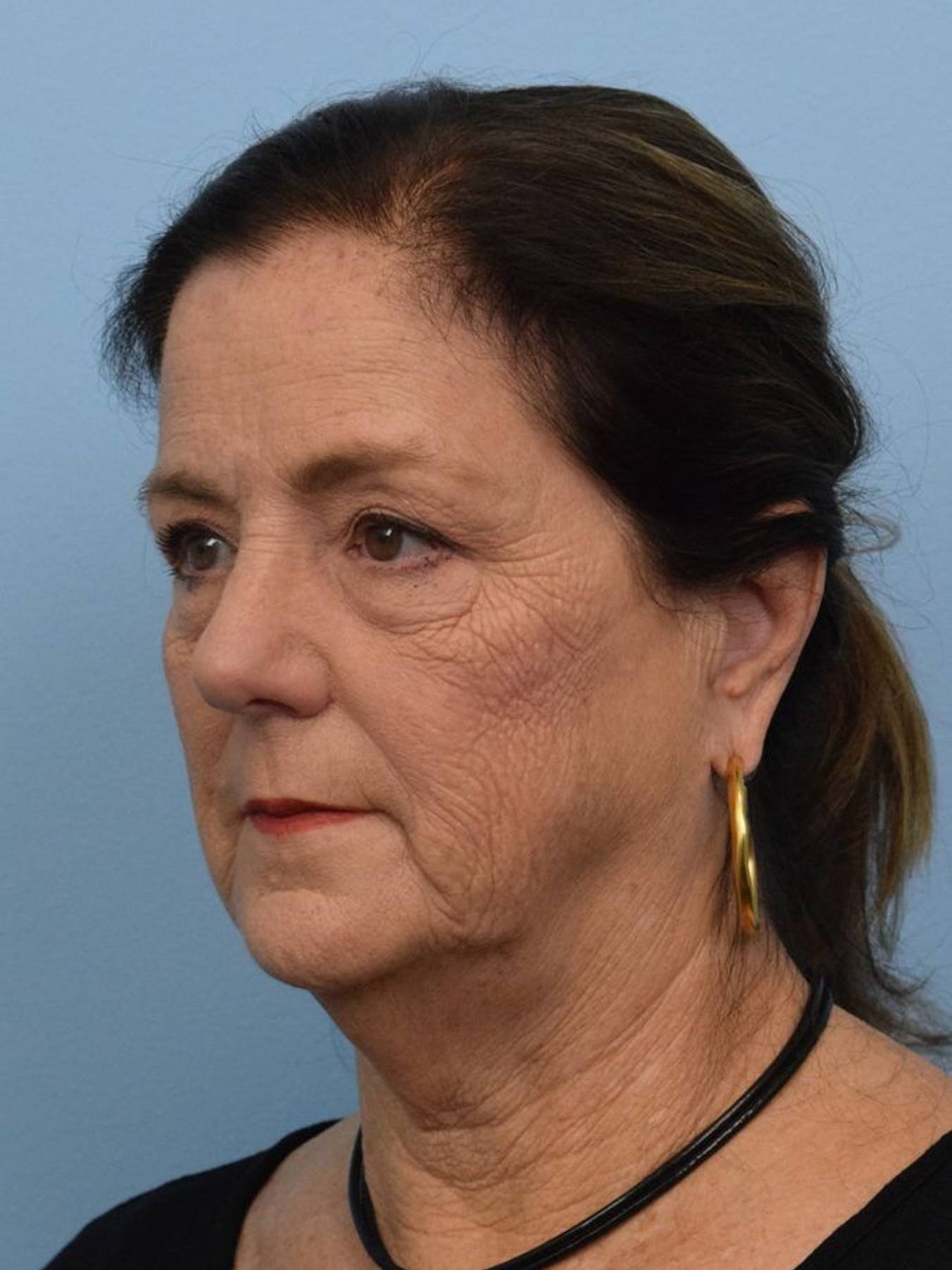
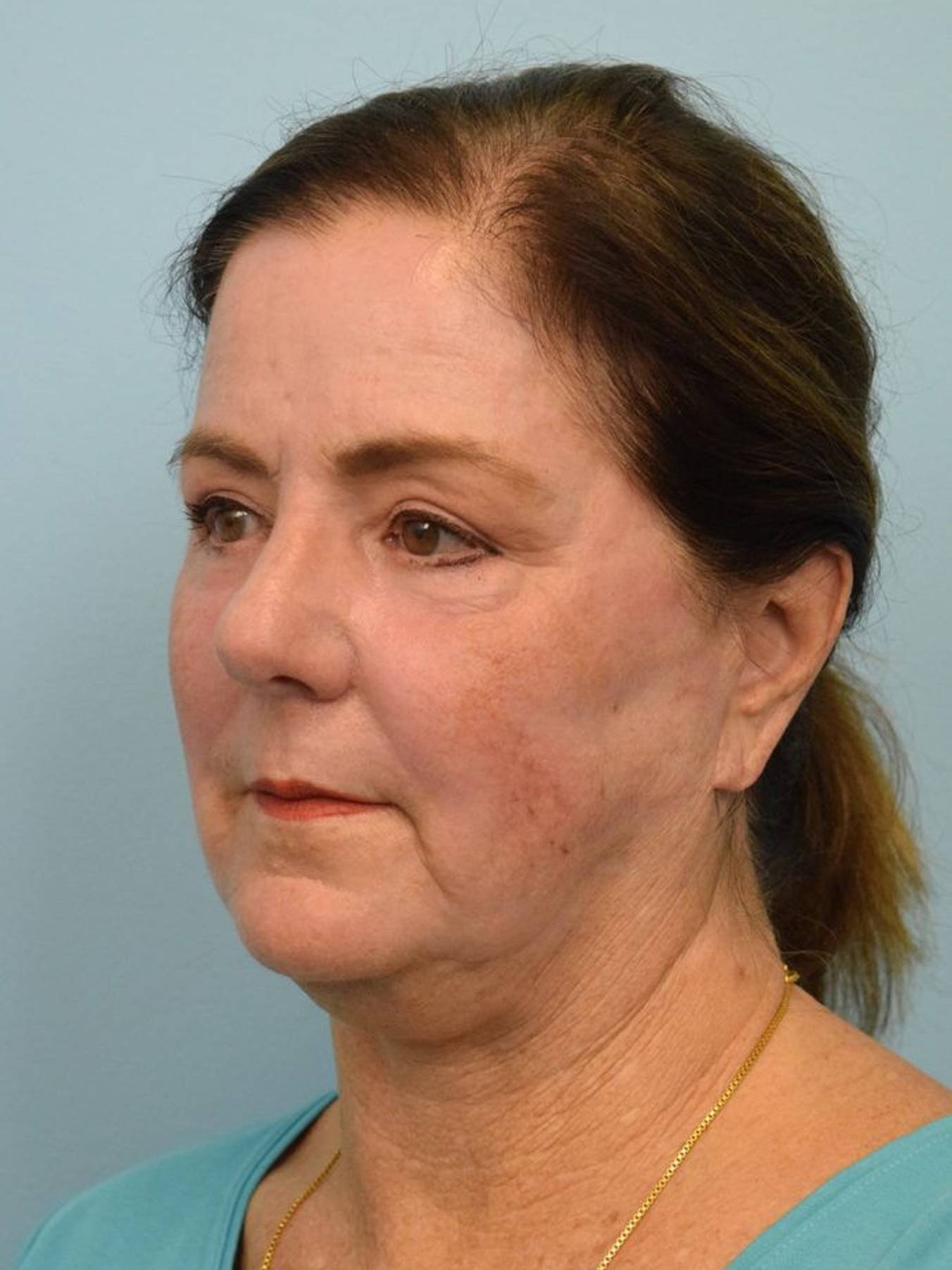
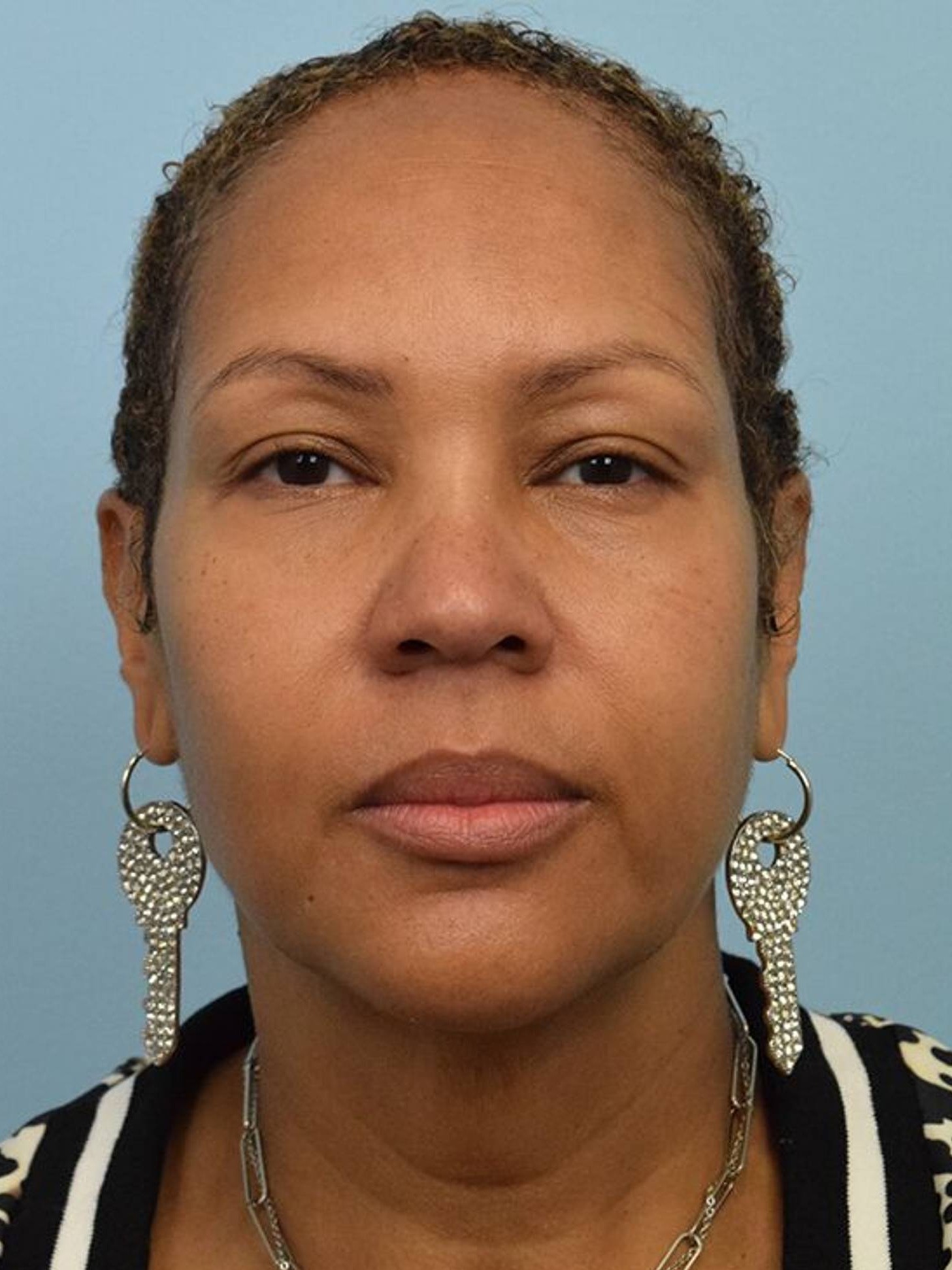
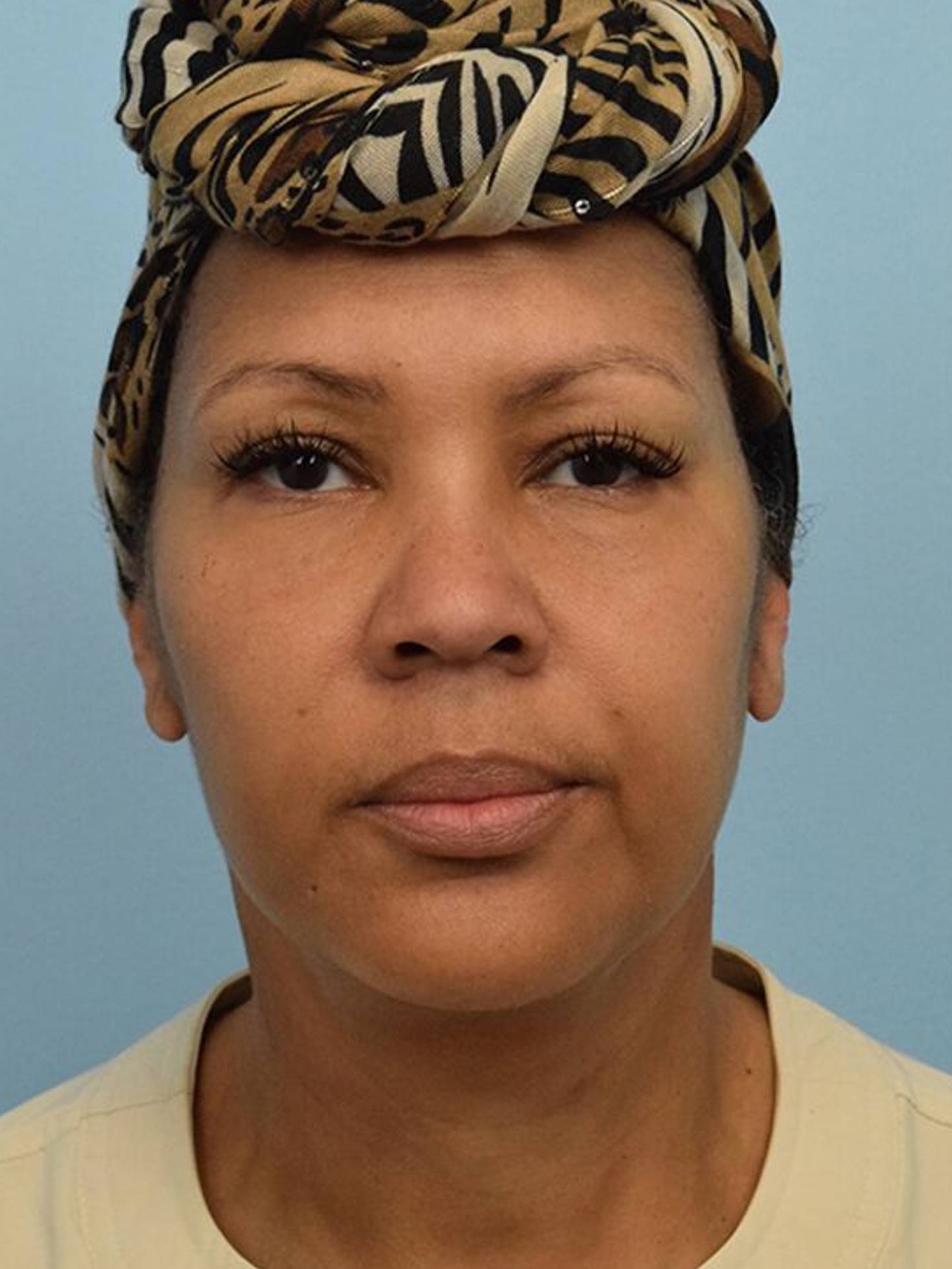
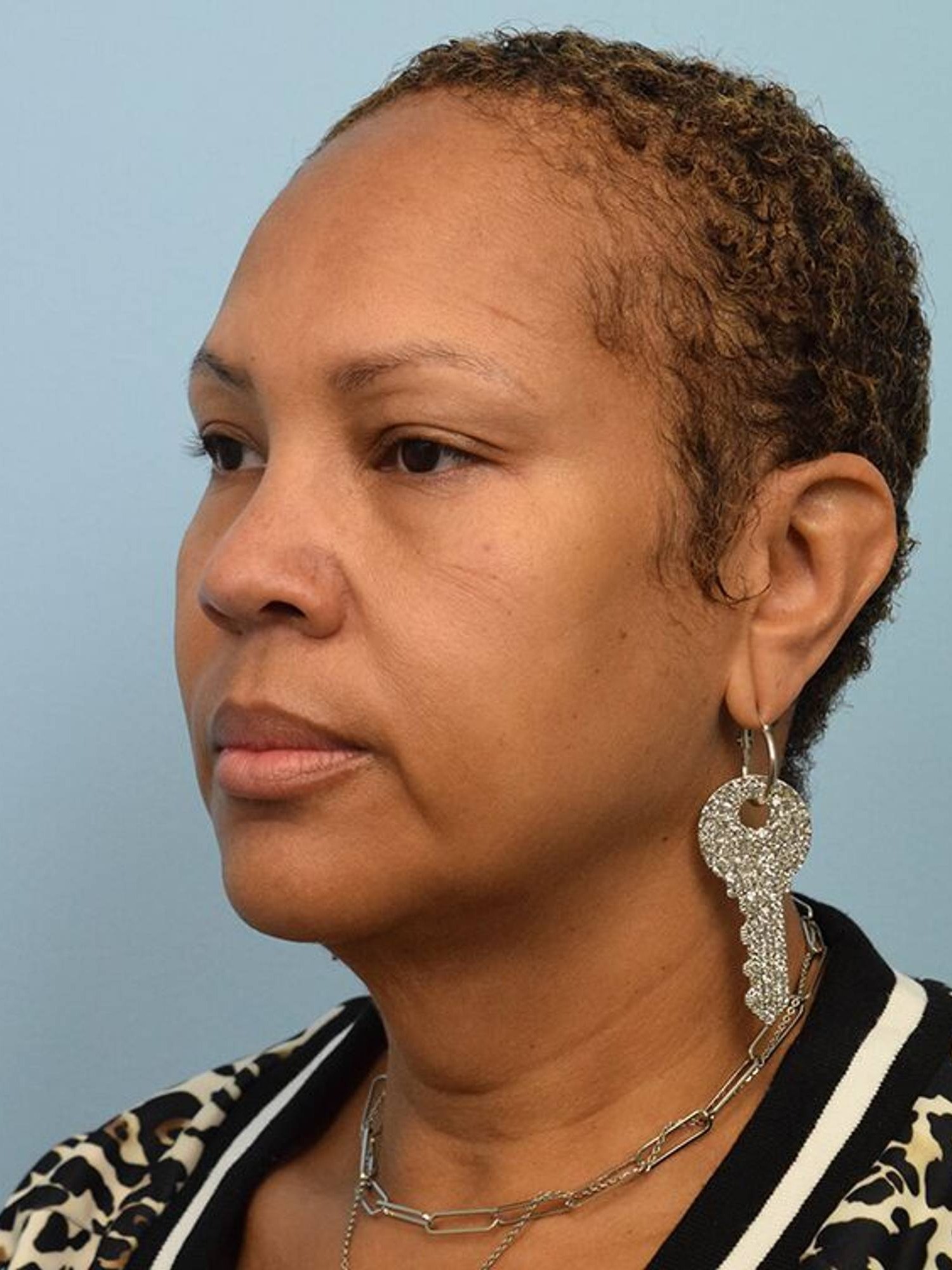
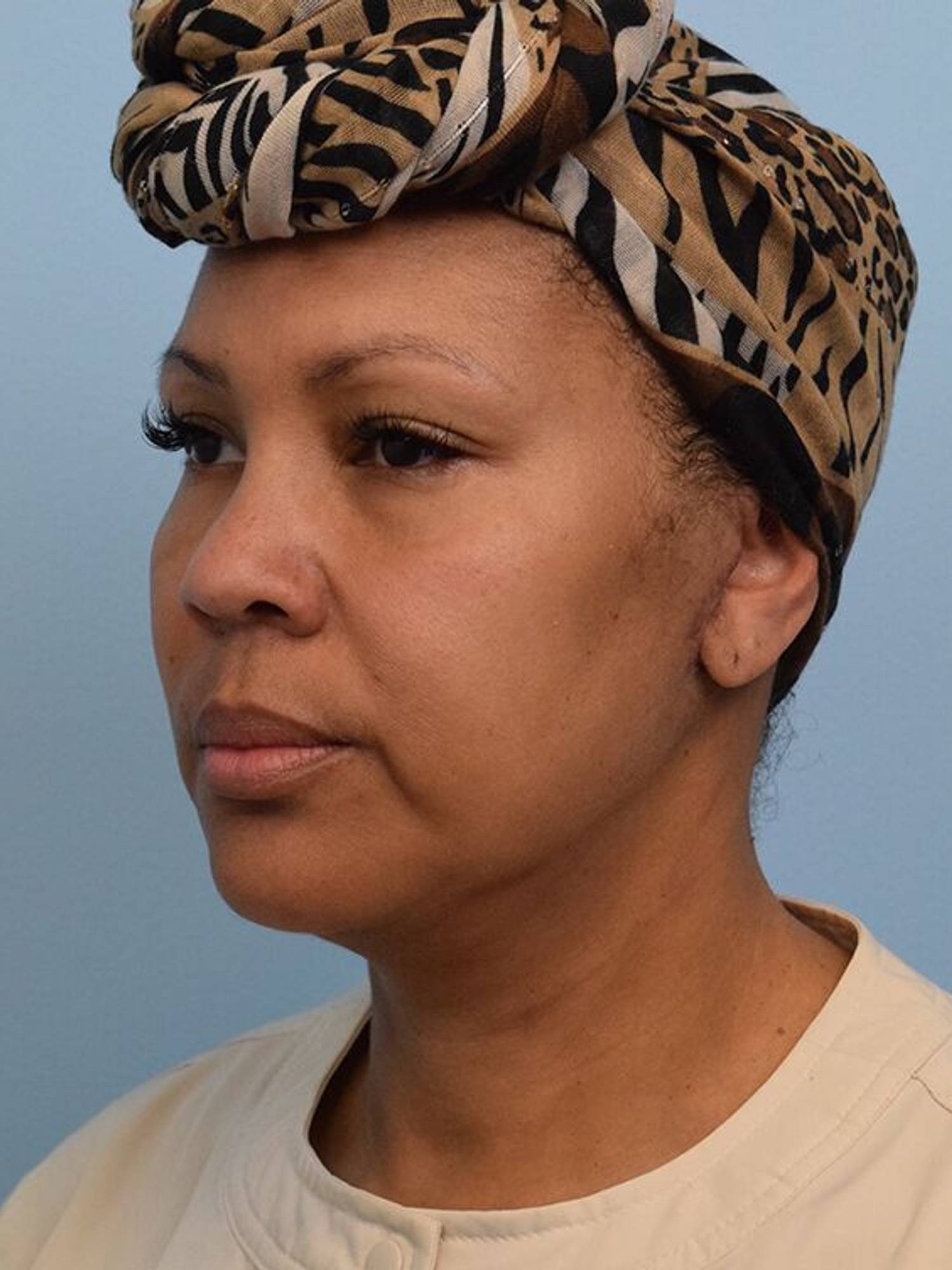
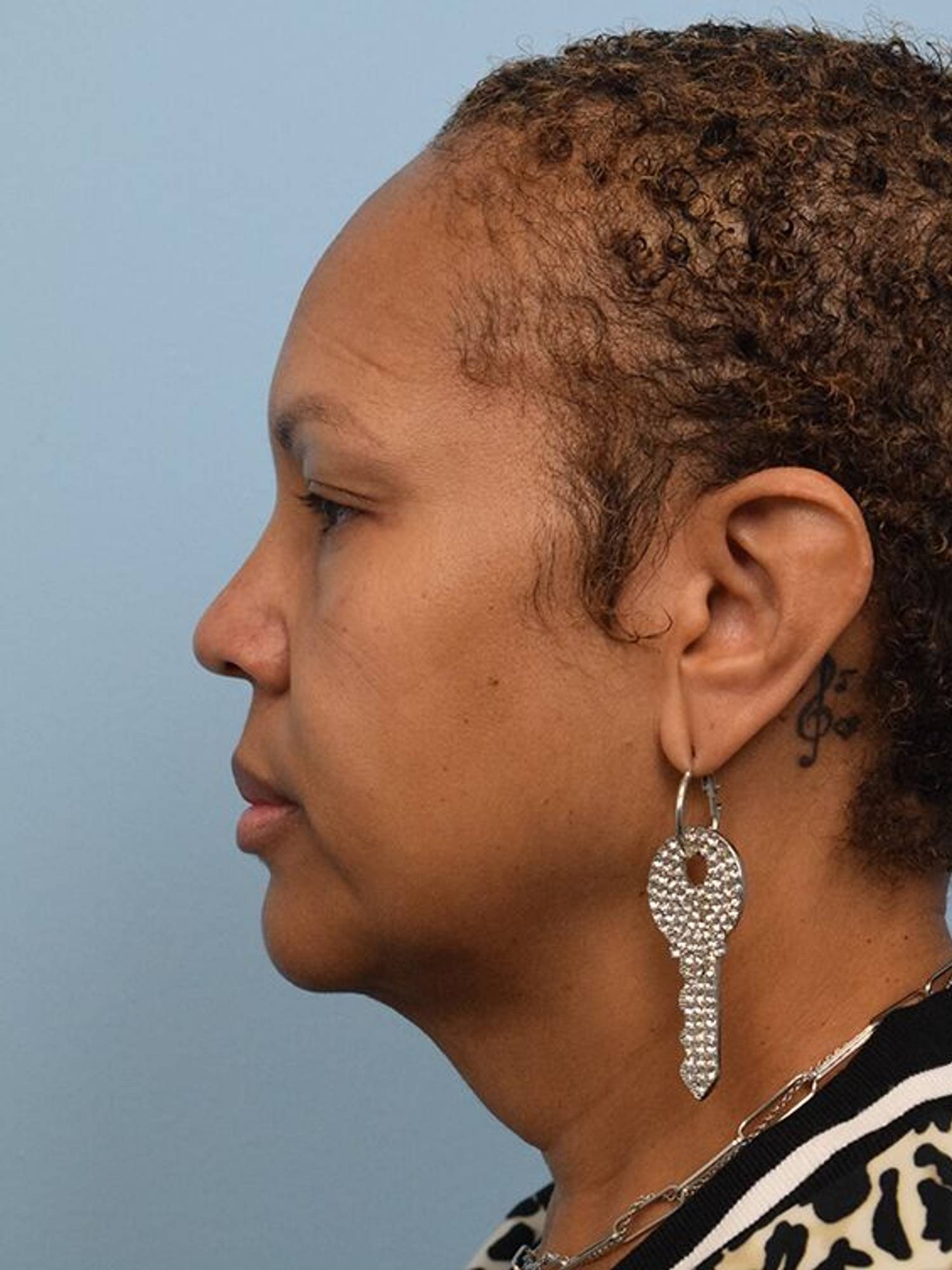
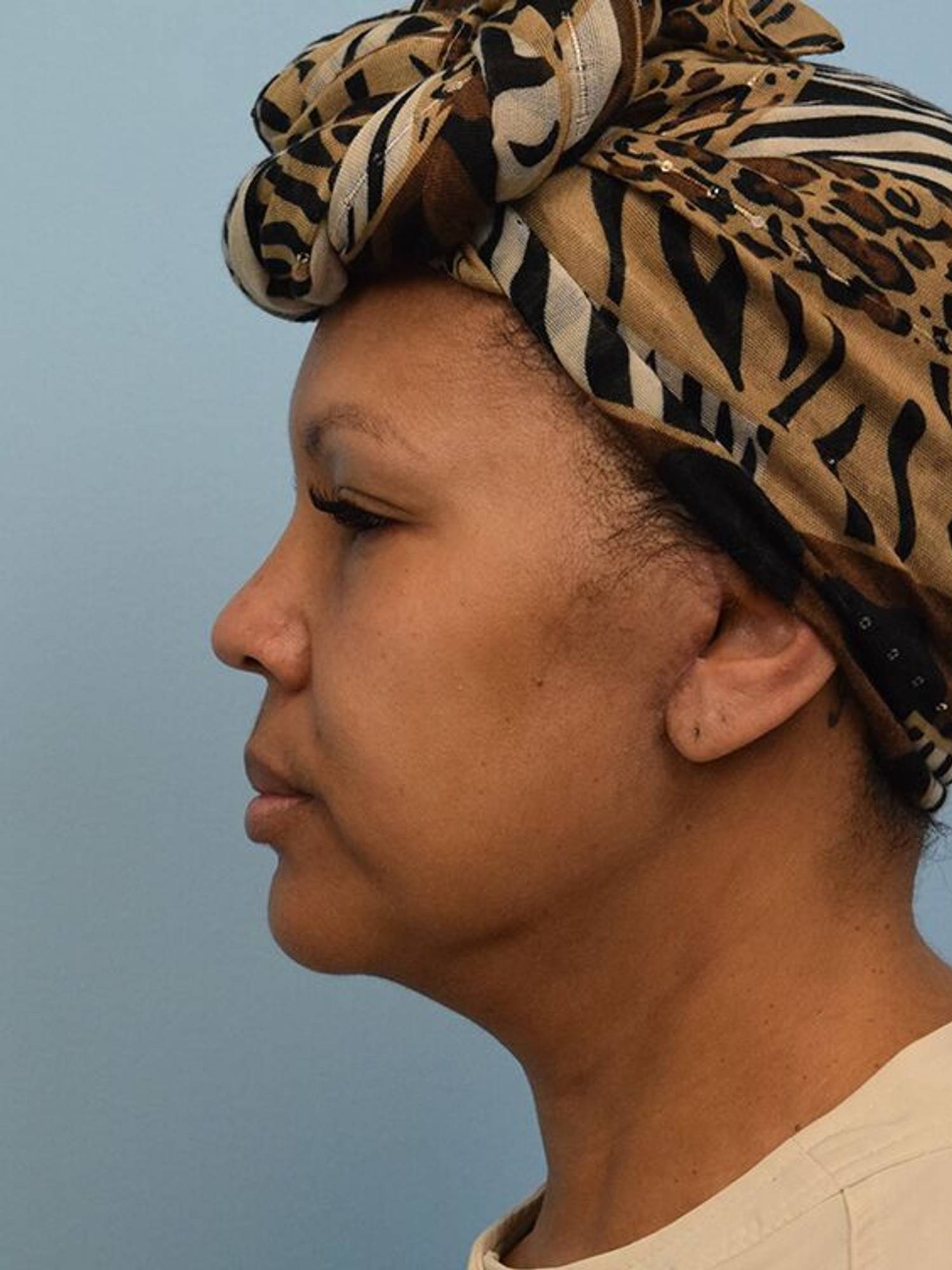
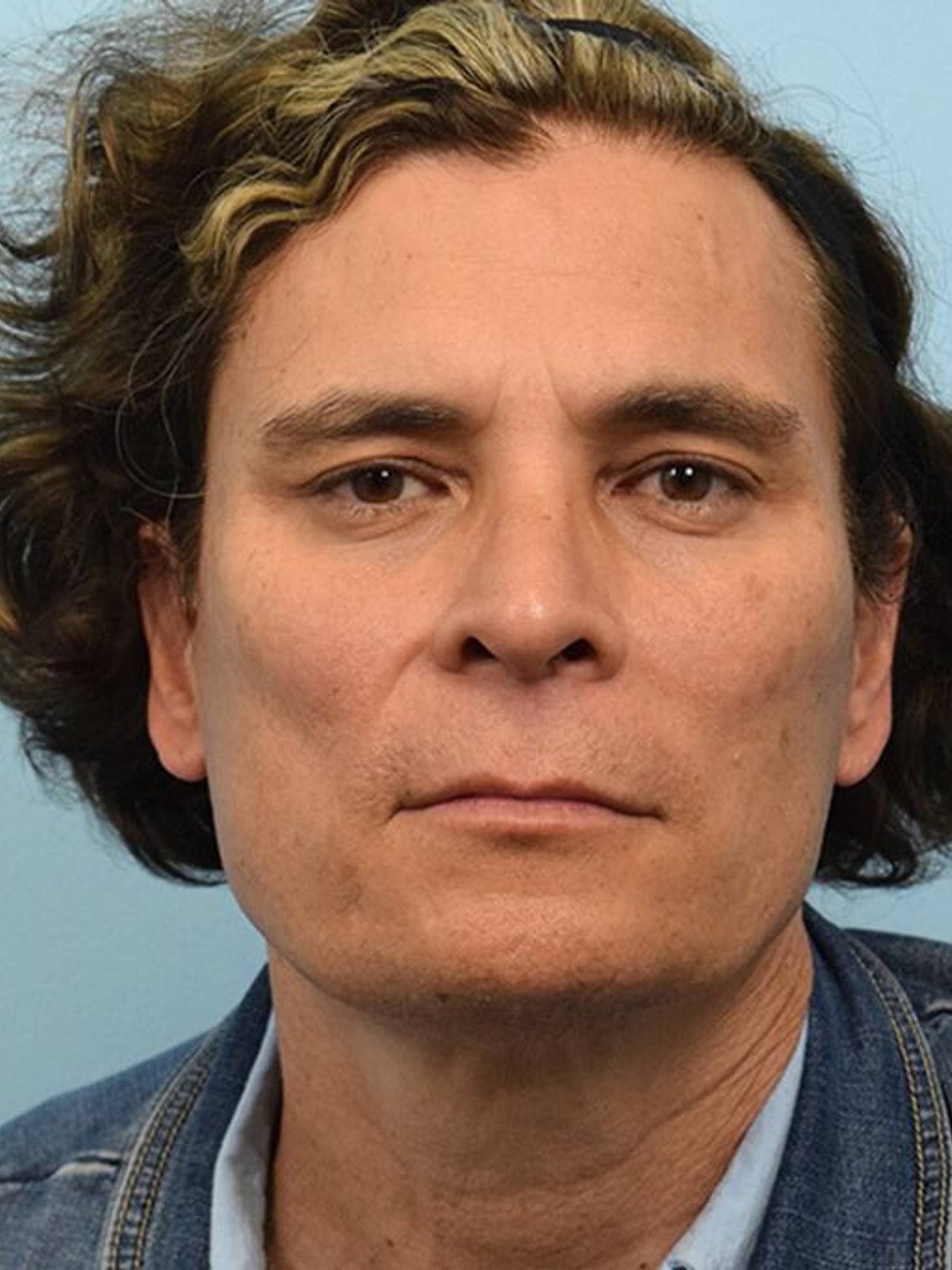
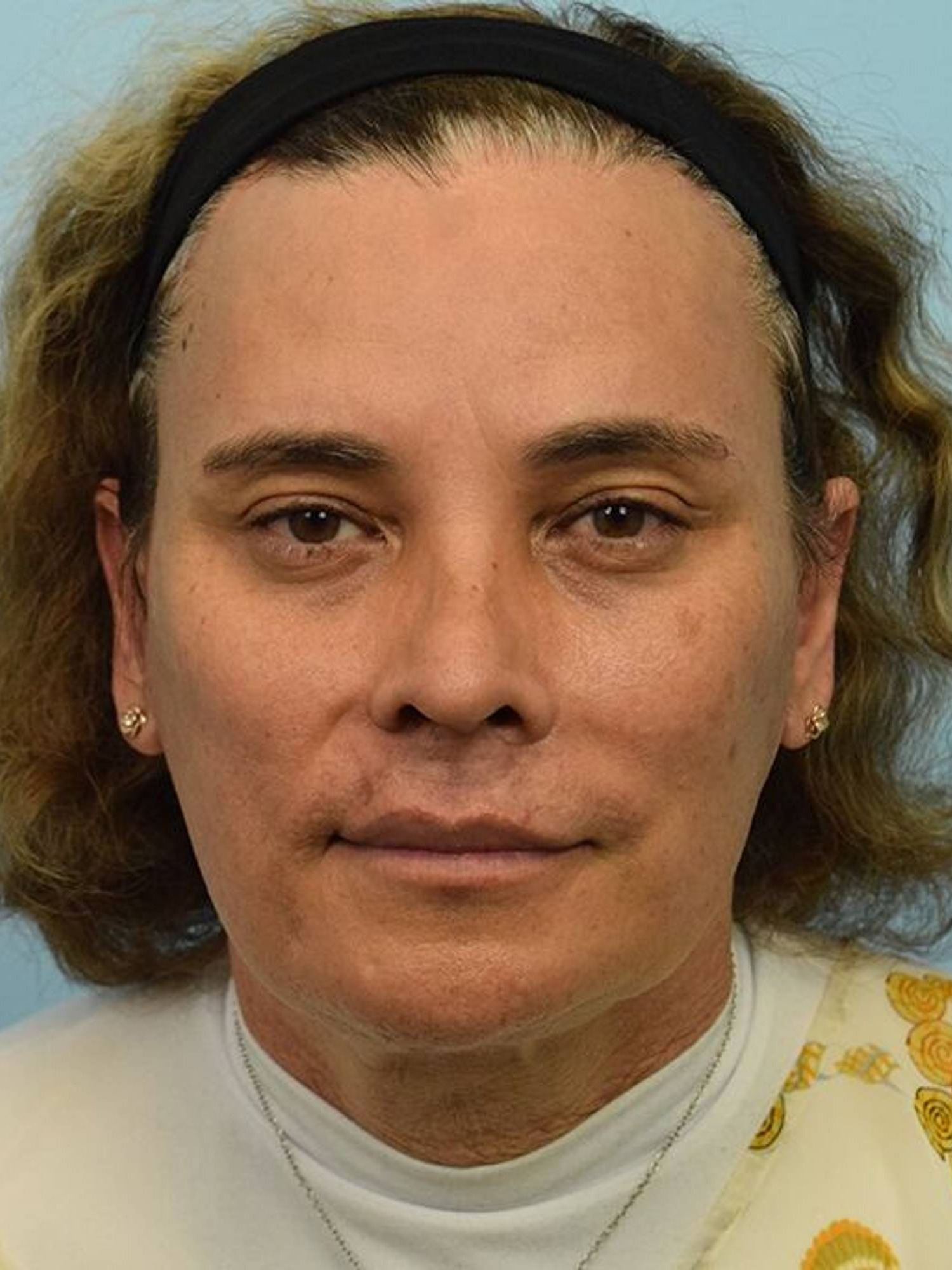
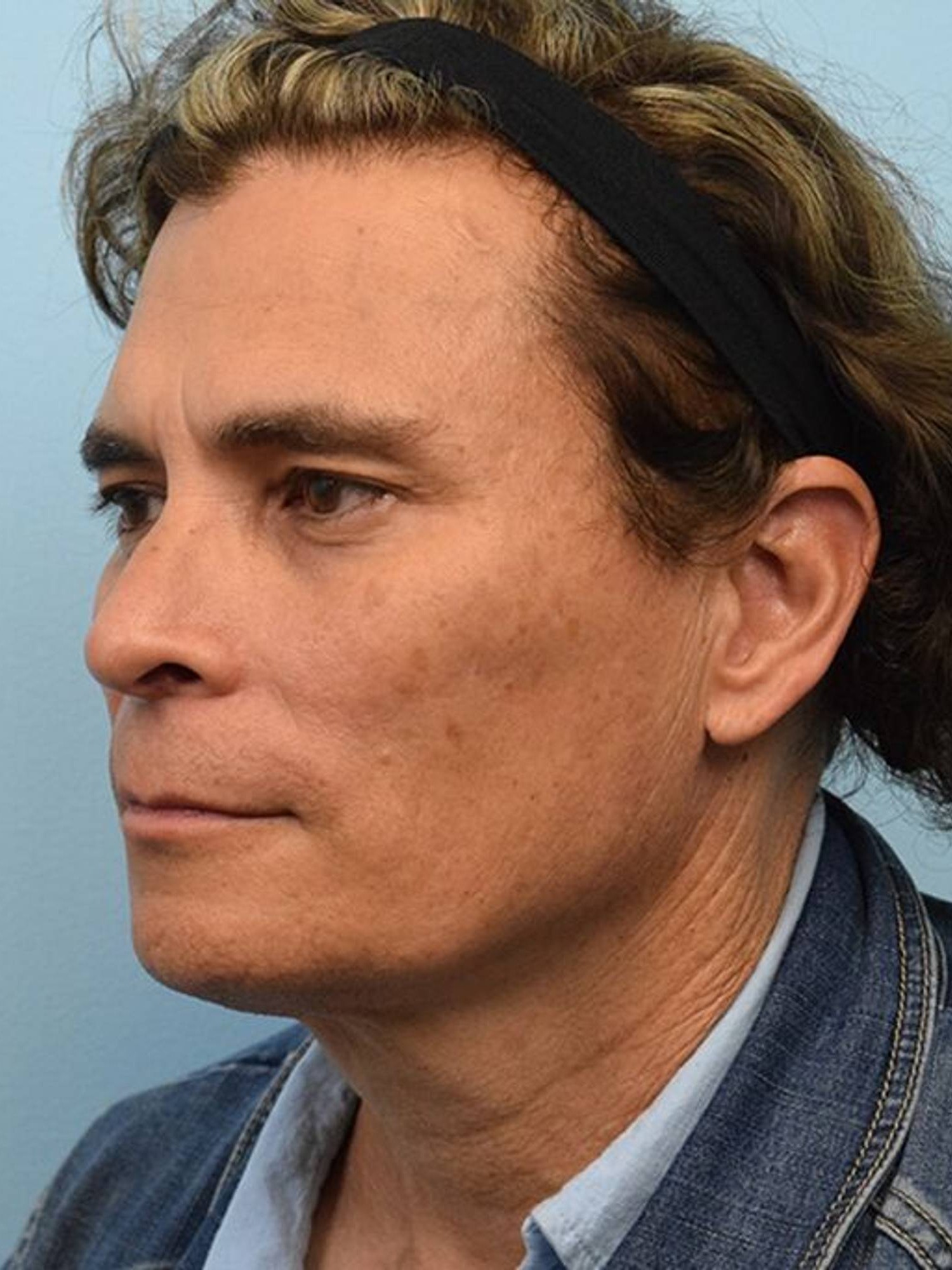
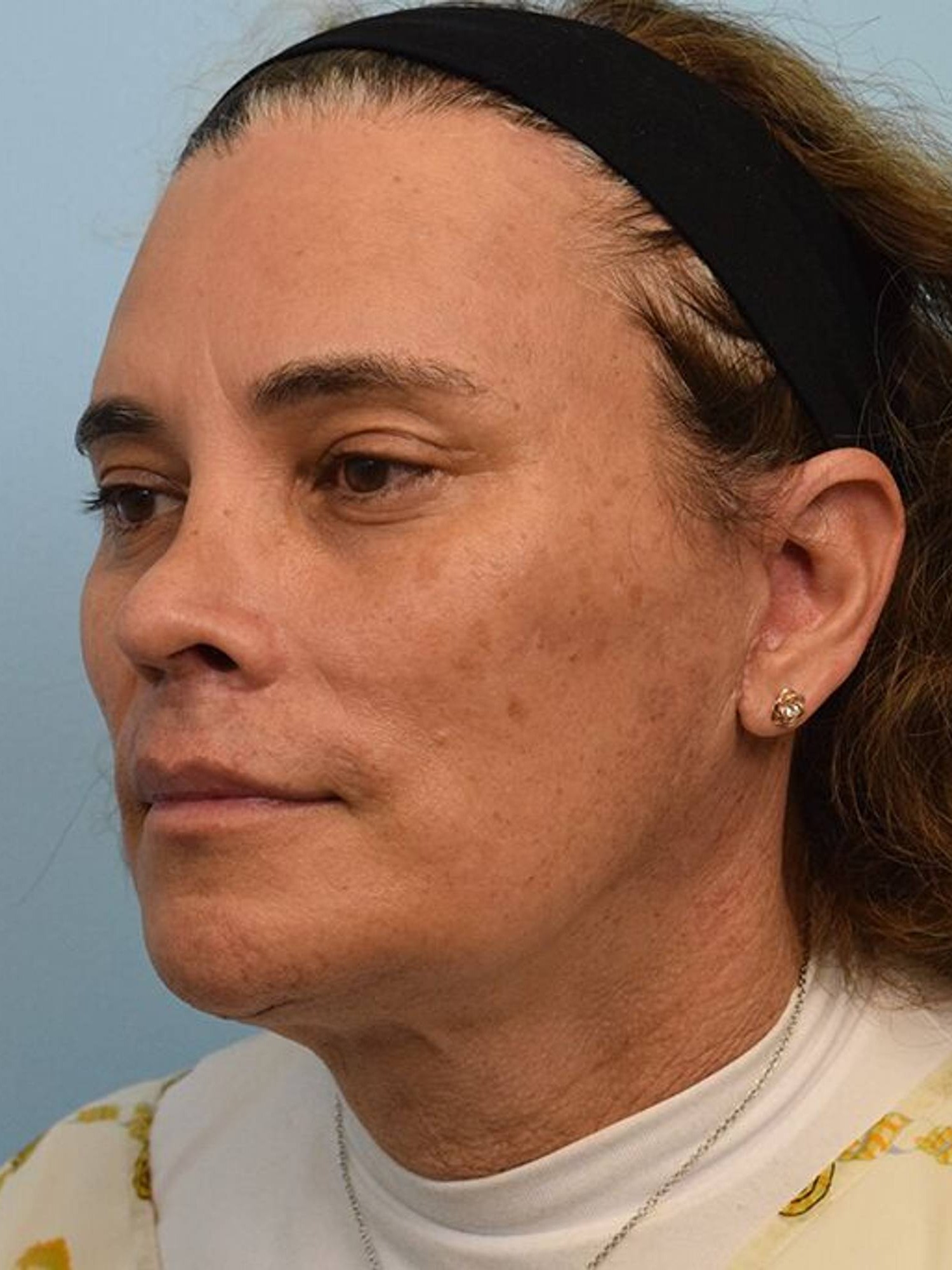
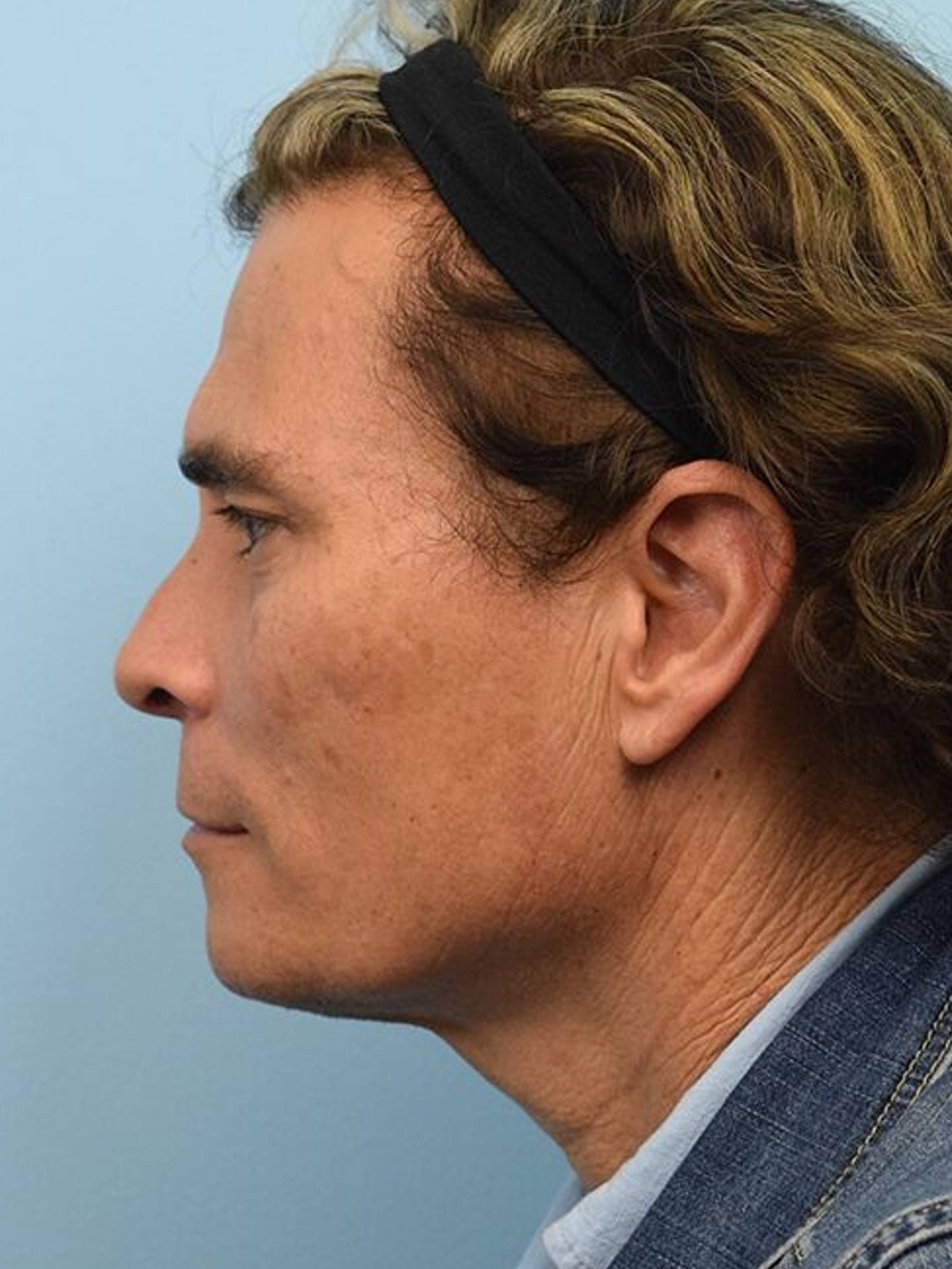
Facelift Before & After Photos
 Swipe To Next
Face Value
A facelift is a surgical procedure that repositions the deeper support structures of the lower face and neck, removes or redrapes excess skin, improves jowls, and restores cleaner facial contours. It is one of the most effective treatments for sagging skin, soft tissue descent, and visible facial aging that has moved beyond temporary solutions. A facelift is not simply skin tightening. The face ages in layers. The soft tissues descend. The fat shifts. The superficial musculoaponeurotic system, or SMAS, loses support. Skin follows that descent. That is why facelift procedures focus on more than the surface. When done well, the surgery lifts the deeper framework, smooths deep facial folds, and restores youthful contours without making the face look stiff or overdone.
For patients in Houston Heights, that matters. This is a neighborhood full of public-facing professionals, creative workers, and people who know how obvious bad aesthetic work can look. The goal is a refreshed appearance. Not a pulled one.
| Category | Details |
|---|---|
|
Best for |
Jowls, sagging skin, lower-face heaviness, deep nasolabial folds, neck laxity |
|
Procedure type |
Surgical facial rejuvenation |
|
Common pairings |
Neck lift, eyelid surgery, brow lift, fat grafting, lip lift, skin resurfacing |
|
Anesthesia |
Usually general anesthesia or IV sedation |
|
Downtime |
Most patients need about two weeks of social downtime |
|
Recovery process |
Bruising, moderate swelling, tightness, gradual settling |
|
When results appear |
Early improvement after swelling drops; refinement continues for months |
|
Longevity |
Long-lasting improvement in face and neck contour |
|
Cost |
Based on anatomy, operative scope, neck work, and overall plan |
Same Goal, Different Cut
Not every face needs the same operation. The right technique depends on the degree of soft tissue descent, the condition of the neck, skin elasticity, the amount of excess skin, and the shape of the patient’s facial structure. A younger patient with early jowling does not need the same lift as someone with more advanced facial aging.
A mini facelift is generally used for earlier laxity concentrated around the jawline and lower cheeks. It involves a smaller lift with more limited dissection than a full facelift. In the right patient, it can create meaningful improvement with less downtime. It does not replace a deeper lift when the neck and midface need more support.
A traditional facelift or SMAS facelift addresses the support layer of the lower face by tightening or repositioning the superficial musculoaponeurotic system. This can improve jowls, loose skin, and lower-face heaviness in patients who need more than a mini lift but may not require a deeper plane release.
A deep plane facelift lifts beneath the SMAS and repositions the descended tissue as a unit. It allows broader release and movement through the midface, jawline, and upper neck. This often produces more natural movement and better correction of deep folds because the lift comes from the deeper structures rather than tension on the skin.
An extended deep plane facelift can be useful in patients with more advanced descent through the cheeks, jawline, and neck. It allows even more control over the face and neck as one connected aesthetic unit. The best technique depends on the face in front of us, not a trend online.
Depth Matters
@faceforwardhouston Dr. Rodman discusses 3 different types of Facelifts in this video: Skin Only, SMAS, and Deep Plane Facelift! #facelift #deepplanefacelift ♬ original sound - Face Forward Houston
This is one of the most common comparison questions during a comprehensive consultation. Both operations are forms of facelift surgery, but the difference is where the work is done and how the facial tissues are moved. A traditional facelift typically focuses on the SMAS layer and the skin above it. It can create a strong improvement in the lower face and jawline, especially in moderate aging.
A deep plane facelift goes deeper. It releases and repositions the descended tissues beneath the SMAS, allowing the cheek, jowl, and lower face to move more naturally as a unit. For patients with heavy jowls, deep creases, or more advanced facial aging, this can lead to better facelift results and a more seamless transition through the cheeks and jawline. The right approach depends on:
The Tell Is Real
With a facelift Houston Heights patients can address their structural concerns. It is most helpful when the problem is descent, laxity, or heaviness rather than surface texture alone. Common concerns include:
A facelift can also be paired with removing excess fat in the neck when fullness under the chin is part of the complaint. In some patients, the issue is not only skin. It is skin plus tissue descent plus neck bulk.
What Are the Benefits of a Facelift?
A facelift remains one of the strongest procedures in facial plastic surgery because it addresses several aging changes at once. Potential benefits include:
The best facelift does not erase every line. It does not stop aging. It restores support and improves contour so the face looks rested, less heavy, and more current.
Good facelift candidates usually have visible laxity in the lower face or neck and want a stronger answer than filler or energy-based treatments can provide. They are healthy enough for surgery, willing to follow recovery instructions, and realistic about healing. You may be a good candidate if you have:
A facelift may need to wait or change if you smoke, use nicotine, take certain blood thinners, or have medical issues that increase risk. Your medical history matters. So does patient safety. Many people in Houston Heights come in after trying temporary solutions for years. Fillers may have restored volume at first, then started adding weight. Skin treatments may have improved skin texture but not changed the shape of the lower face. That is usually the point where surgery makes more sense than piling on more products.
The face and neck age together. If the lower face is lifted and the neck is ignored, the result can feel incomplete. A neck lift addresses:
Many patients benefit from a facelift and neck lift performed together because it creates a more continuous result from cheek to jaw to neck. For some, a neck lift also includes contouring under the chin or removing excess fat when fullness is part of the issue.
Yes. Combination planning is often part of comprehensive facial rejuvenation, especially when aging shows up in more than one zone. Common combinations include:
This is where a personalized treatment plan matters. Some patients need only one operation. Others get the best balance from treating the upper and lower face together. A consultation should be specific. It should not read like a menu of cosmetic procedures.
How Should I Prepare for a Facelift?
Preparation matters. Good healing starts before surgery.
At your initial consultation for a facelift Houston Heights facial plastic surgeon, Dr. Rodman, reviews:
You will also receive detailed pre operative instructions. These may include:
We also review how to minimize swelling, what to expect during the healing process, and when you can return to work, exercise, and public life.
A facelift is a precise surgical procedure with several distinct steps. The operation is planned around the patient’s anatomy, aging pattern, and whether the neck is being addressed at the same time.
Most facelifts are performed under general anesthesia or IV sedation, depending on the case.
A facelift incision is usually hidden around the ear, within natural curves, and sometimes into the hairline when needed. The goal is minimal scarring and a clean transition as the scars mature.
This is the center of the operation. The descended underlying tissues and deeper tissues are released and repositioned. In a SMAS facelift, the support layer is tightened or adjusted. In a deep plane facelift, the release goes deeper so the facial tissue moves as a unit.
If a neck lift is included, the surgeon may tighten the neck muscles, reduce neck fullness, or contour the area under the chin.
Once the support structures are repositioned, the skin is laid back without strain. Then excess skin is trimmed with restraint and the incisions are closed carefully.
That is how you get a cleaner result. Too much skin tension is what creates an over-pulled look. Good facelift techniques rely on support, not force.
The facelift recovery process is usually easier physically than many patients expect, but more visible socially. You may feel decent before you look fully ready for dinner in the Heights or a full day back at the office.
Expect tightness, bruising, and initial swelling. Keep your head elevated. Follow your medication and drain instructions if used. Walk lightly. Rest often.
Swelling and bruising are at their most obvious. This is when the face can look fuller or more dramatic than the final result. That part is temporary.
Most patients still have some visible healing, but the face begins looking more recognizable. Makeup may be possible depending on incision healing. This is often the stage when you start seeing the direction of the result.
The jawline starts to sharpen. The neck looks cleaner. The lower face feels less heavy. There may still be residual swelling, firmness, or numbness.
Refinement continues for months. Scar maturation continues. The tissues settle into place gradually. To help minimize swelling, we often advise:
What Are the Risks of Facelift Surgery?
Every surgical care plan should include a clear discussion of risk. A facelift is elective, which makes transparency even more important. Possible risks include:
Risk varies based on overall health, smoking status, prior surgery, anatomy, and the scope of the operation. A good comprehensive consultation covers those details directly.
What Will My Facelift Results Look Like?
Good facelift results appear in stages. Early on, you see swelling. Then the jawline starts to return. The neck reads cleaner. The lower face looks less heavy. The cheeks settle. The result becomes less about surgery and more about support. Most patients notice:
The goal is not a frozen or overly tight face. The goal is natural results that preserve natural beauty, support the face, and restore a more rested version of you.
A facelift does not stop the clock. It resets the face at a better point. Longevity depends on genetics, sun exposure, weight stability, skin quality, and the technique used. Even after surgery, aging continues. That said, the structural improvement usually lasts far longer than fillers or skin-only tightening treatments. Many patients maintain visible benefit for years. Maintenance may include:
Facially Focused Expertise
This is a facial practice. That matters. Many general plastic surgeons split time between the face, body, and breast procedures. Face Forward is centered on facial plastic surgery, facial balance, and advanced work involving the face, jaw, chin, and hairline. Dr. Regina Rodman is a board-certified facial plastic and craniofacial surgeon with deep knowledge of facial anatomy, scar placement, and facial balance. That background matters when the goal is precise rejuvenation without distortion.
No two faces age the same way. A customized facelift procedure starts by looking closely at what is actually happening: skin laxity, jowls, neck changes, cheek descent, deep folds, and volume shifts. Then the plan is built around that pattern.
Patients looking for facelift options usually want the same thing: a fresher appearance, stronger contour, and less drag through the lower face without losing identity. That is the standard here.
A facelift should come with clear answers on downtime, scar placement, pain control, and healing. No vague promises. No inflated claims. Just honest planning and careful surgery.
If you are researching facelift Houston Heights and want a facially focused approach grounded in technique, judgment, and long-term balance, Face Forward Houston is here to help. Your facelift consultation starts with an honest conversation, a close exam, and a plan built around your facial structure, your goals, and the way your face is actually aging.
This is where it begins. With clarity. With a surgeon who knows the face. With a plan that respects both anatomy and aesthetics.
A facelift is the broad category. A deep plane facelift is one type of facelift that works beneath the SMAS and repositions deeper facial structures as a unit. It is often useful for heavier jowls, deeper folds, and broader lower-face aging.
Maybe. A mini facelift can work well for earlier signs of aging, limited to the jawline. It is less effective when the neck, cheeks, and deeper folds need more correction.
That is the goal. Good facelift surgery should restore support and contour while preserving your identity. The aim is a more rested, sharper version of your own face.
Most patients are asked to keep their heads elevated during the first stage of recovery to help manage swelling. Exact timing depends on your procedure and healing.
It can, especially when the fullness is related to laxity or excess fat under the chin. In some cases, a neck lift or neck contouring is added.
Yes. A blepharoplasty and lip lift are common combination procedures when the upper face or perioral area also needs attention.
That is common. Many patients come in after years of non-surgical treatments when they realize the issue is tissue descent, not only volume or skin quality.
Yes. A comprehensive consultation is where we review your goals, anatomy, health history, recovery expectations, and the procedure plan in detail.
Schedule Your Houston Plastic Surgery Consultation Today
The Face Forward process starts with a consultation. You will meet with Dr. Rodman (either in the office or via video call) to discuss the result or look you want to achieve. Dr. Rodman will review and educate you about your options and schedule you for the procedure of your choice. Follow-up appointments will be scheduled as necessary. Achieve your look and enjoy the new you! Schedule your consultation for plastic surgery in Houston at Face Forward today.
427 W 20th Street Suite 100, Houston TX 77008
Monday - 9am - 5pm
Tuesday - 9am - 5pm
Wednesday - 9am - 5pm
Thursday - 9am - 5pm
Friday - 7:30am - 3:30pm