 (713) 321-2424
 Consultation
Most men who ask about a facelift are not focused on the volume in their cheeks. They are focused on their neck and jawline. Dr. Rodman understands this, and customizes her deep plane neck and facelift for masculine faces.
As men age, they notice fullness under the chin, a blunted angle beneath the jaw, loose skin, heavier jowls, and a profile that looks thicker than before. They want to look younger, healthier, and more defined, but worry a face and neck lift will make them look soft and feminine. They usually do not want more volume in the cheeks or a softer look. They want the opposite: a cleaner neck, a sharper jawline, and less drag through the lower face.
At Face Forward Houston, Dr. Rodman's male facelift surgery is planned with that reality in mind. For many men, the operation is a deep face and neck lift with a major emphasis on restructuring the neck and defining the jawline. Double board-certified facial plastic and craniofacial surgeon Dr. Regina Rodman approaches male facial aging structurally, using deeper neck work to tighten muscles, reduce fullness, and restore stronger definition where men care most: under the jaw and across the neck.
Dr. Rodman has spent years performing facial masculinization and facial feminization surgeries, and has a deep understanding of what qualities make a face look feminine or masculine. She applies this knowledge to every facial rejuvenation case as well. Her goal is the same as yours, to look younger, not feminine.
 Swipe To Next
Male Facelift
A male facelift is a surgical procedure that improves the lower face and neck by lifting deeper tissues, tightening the platysma muscles, removing excess fat, defining the jawline, and restoring a stronger, more rested appearance while preserving masculine facial structure.
In men, facelift planning differs for several reasons. The neck is often a bigger issue. Skin is thicker. Facial tissues are heavier. Beard-bearing skin affects incision planning. The aesthetic goal is different, too. Men usually do not want more cheek volume or a visibly lifted look. They want the lower face to look firmer and the neck to stop overpowering the profile.
That is why a male facelift often relies heavily on the deep necklift technique, also known as a structural necklift. With training in head and neck surgery and facial plastics, Dr. Rodman is uniquely qualified to perform deep neck work. For many men, just pulling the neck skin tighter is not enough to create a defined jawline. Most men with a heavy neck need to address and reduce the deeper structures of the neck.
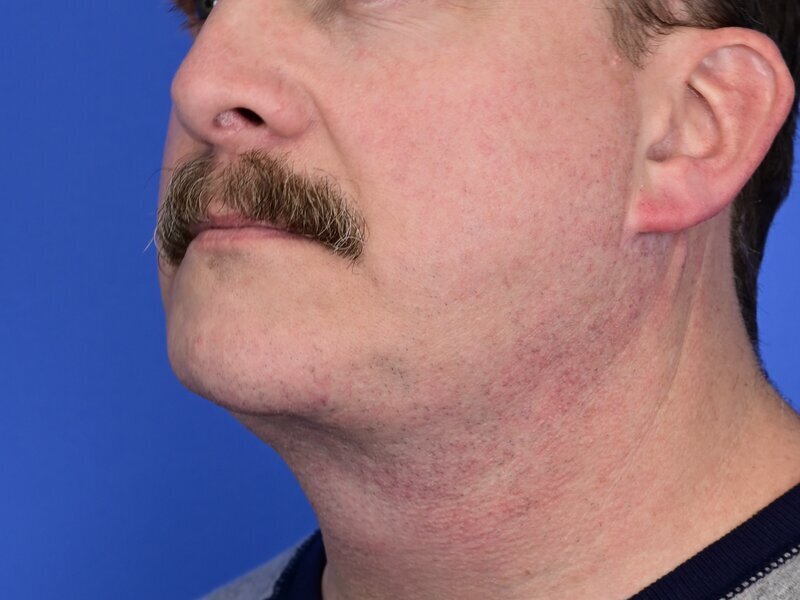
In a deep plane structural neck lift, Dr. Rodman tightens sagging muscles and trims salivary glands that hang down below the jawline. She also removes deep fat. Deep fat is fat that is underneath the neck muscles and cannot be removed by liposuction. By reducing the deep fat, glands, and tightening the muscles, the structure of the neck is changed. The excess tissue is removed, which means the chin and jawline look sharp and defined again. And the good news is, once the deep tissues and fat are removed, they do not grow back. This means the results of the deep neck lift are very long-lasting; men will see the definition in the chin and jaw for many years. The surgery may be called a facelift, but in practice, men are usually buying a jawline.
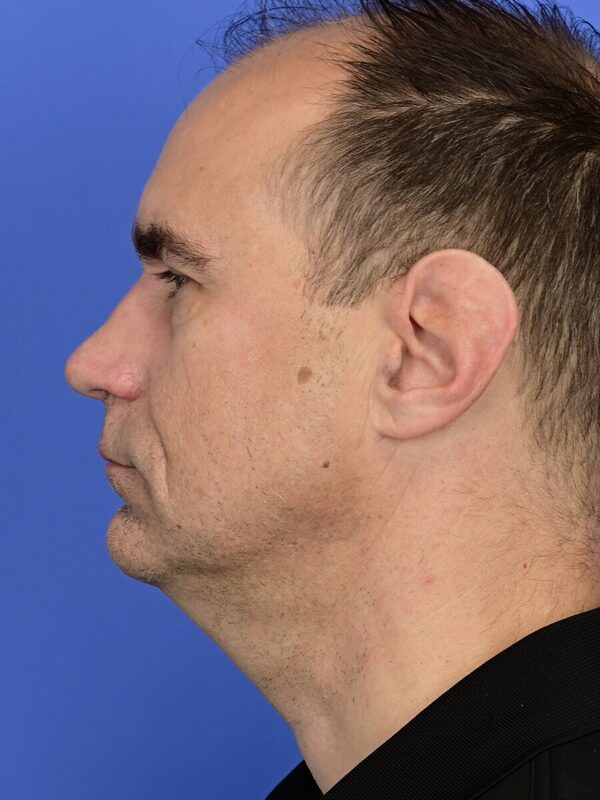
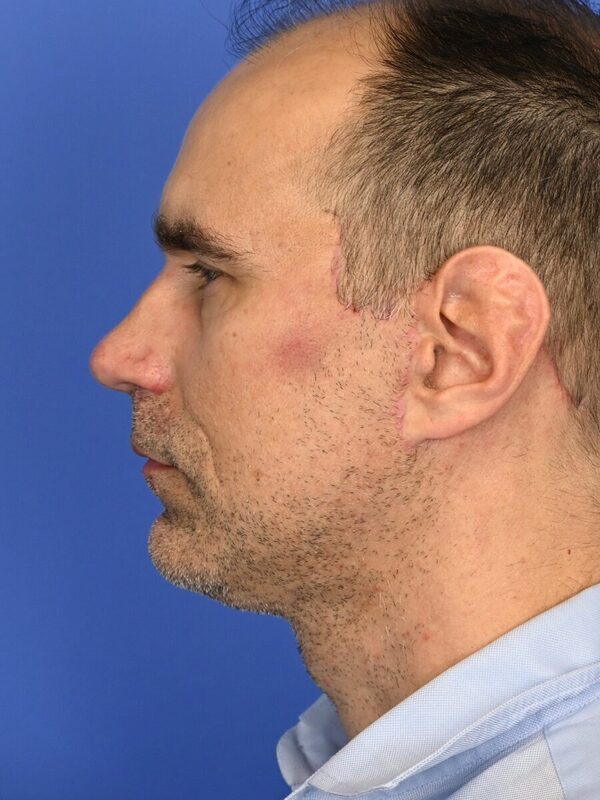
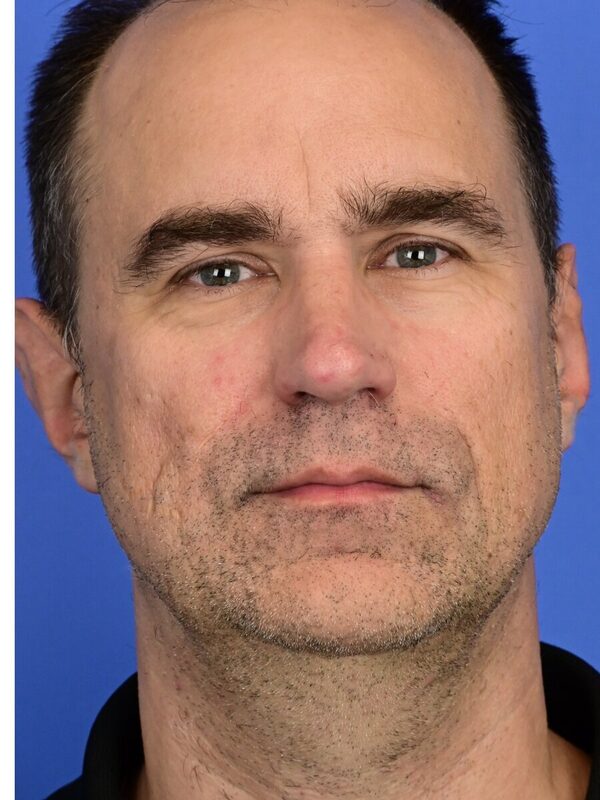
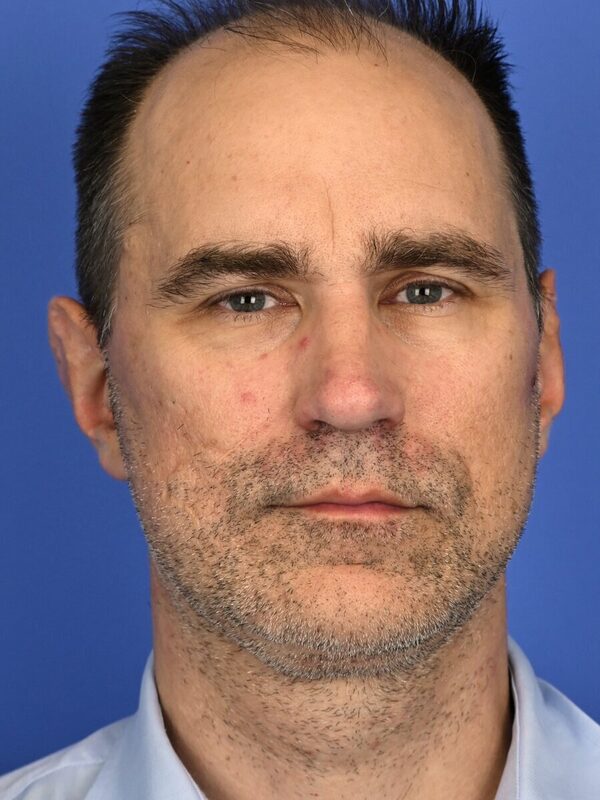
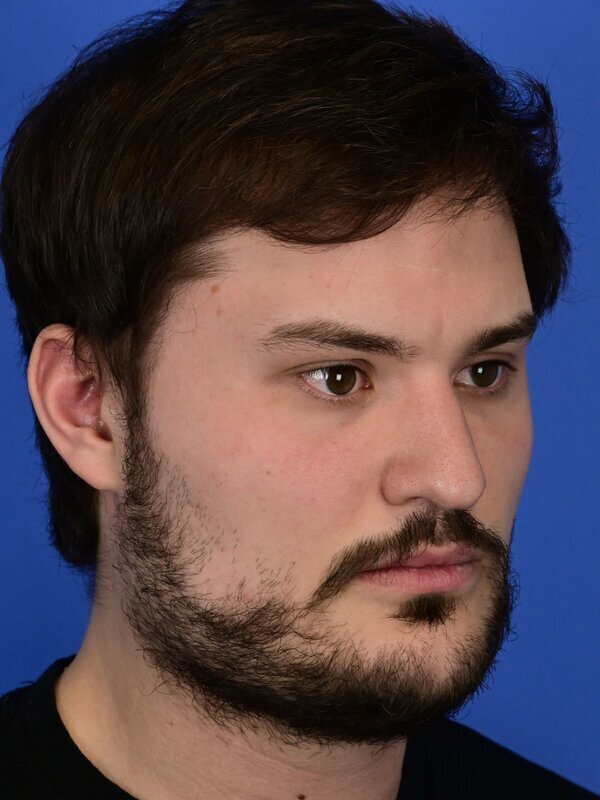
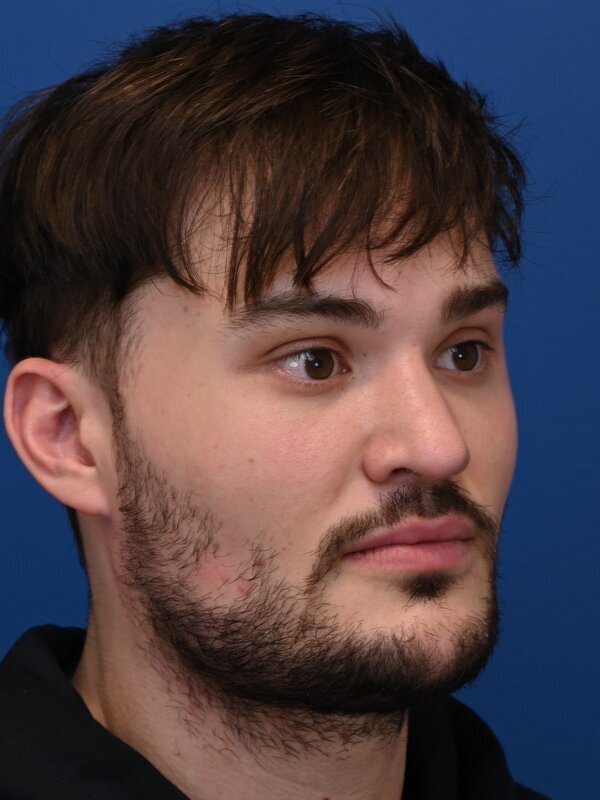
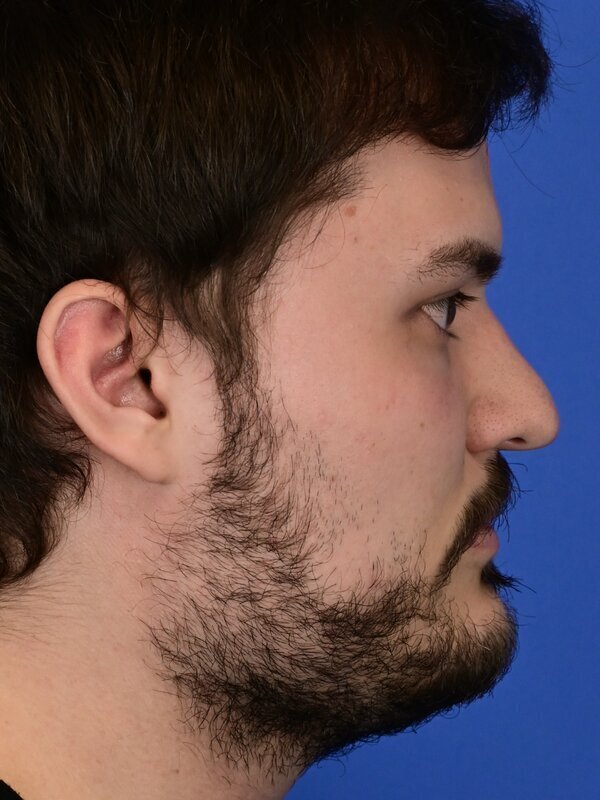
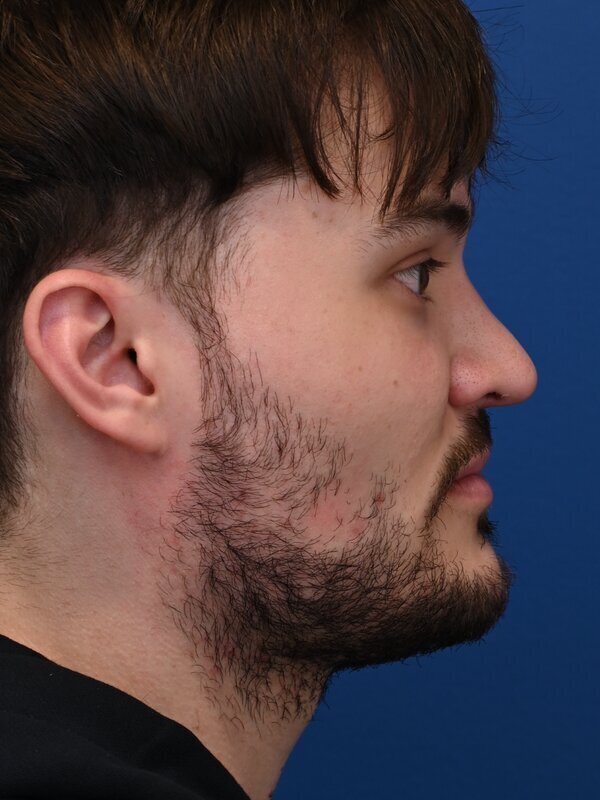
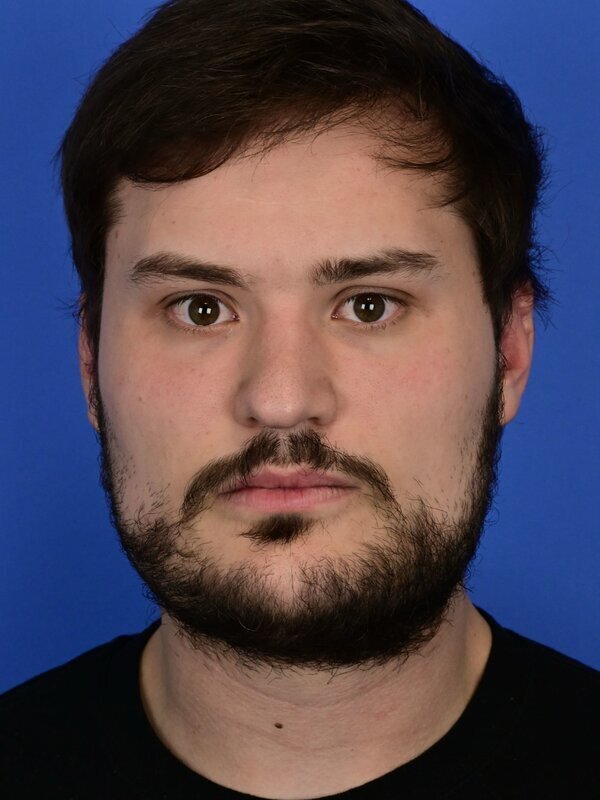
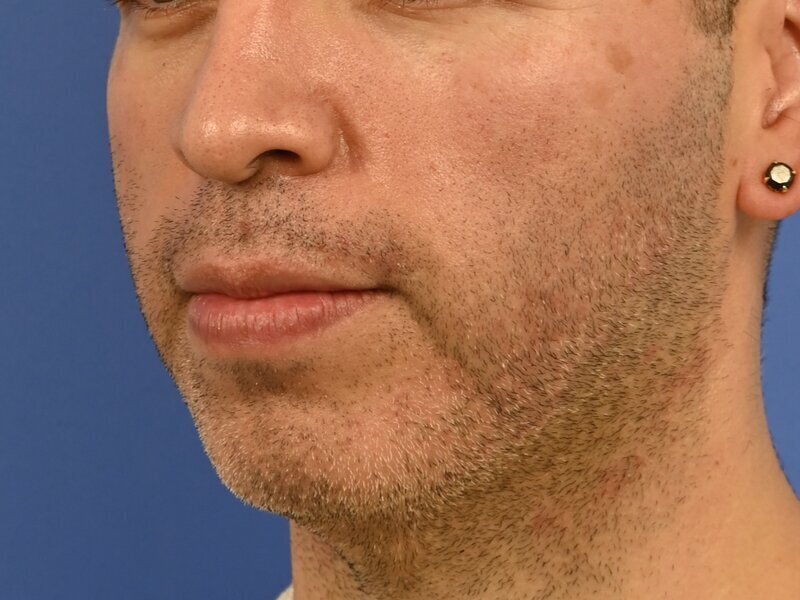
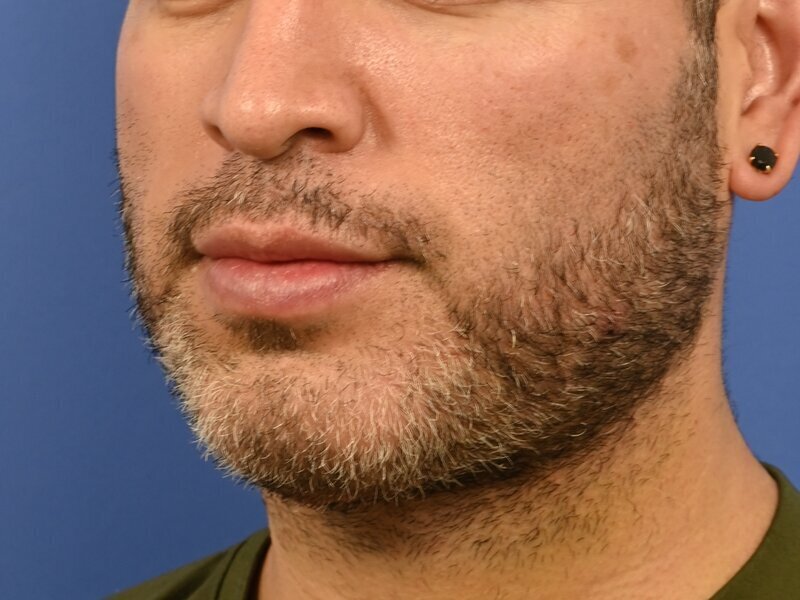
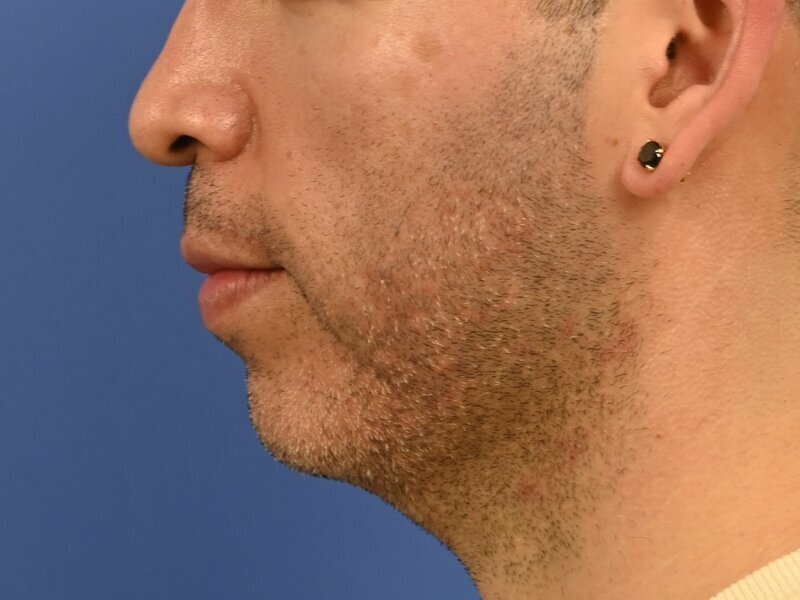
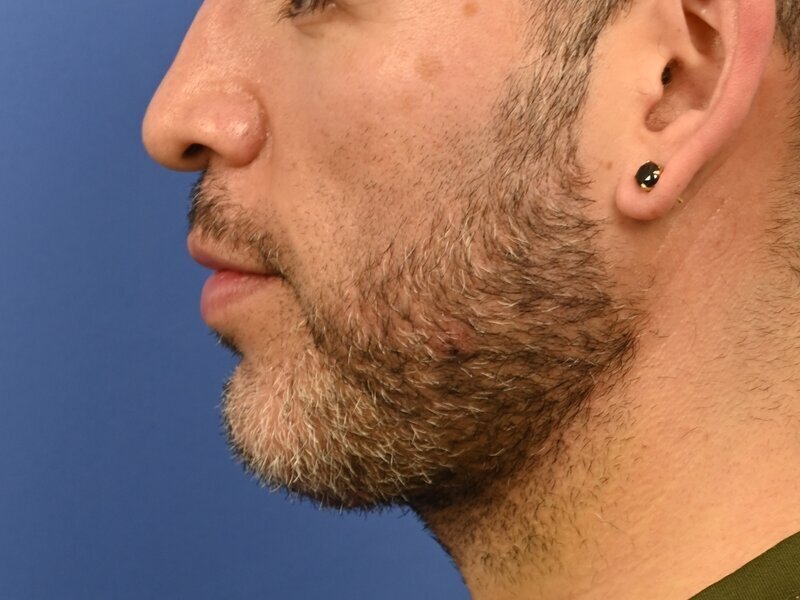
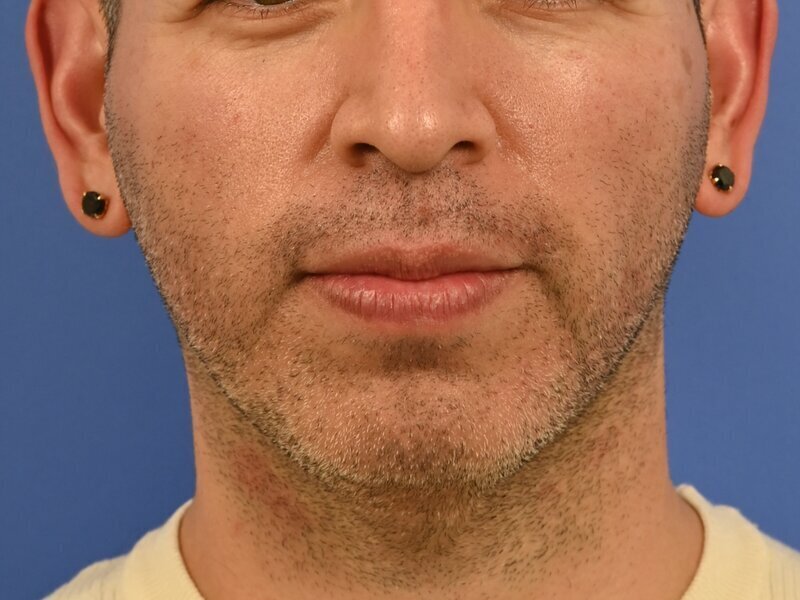
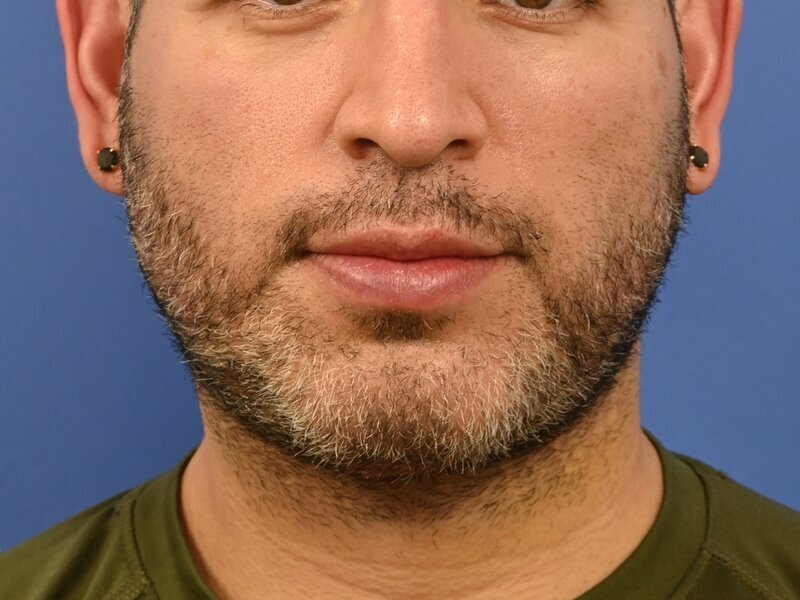
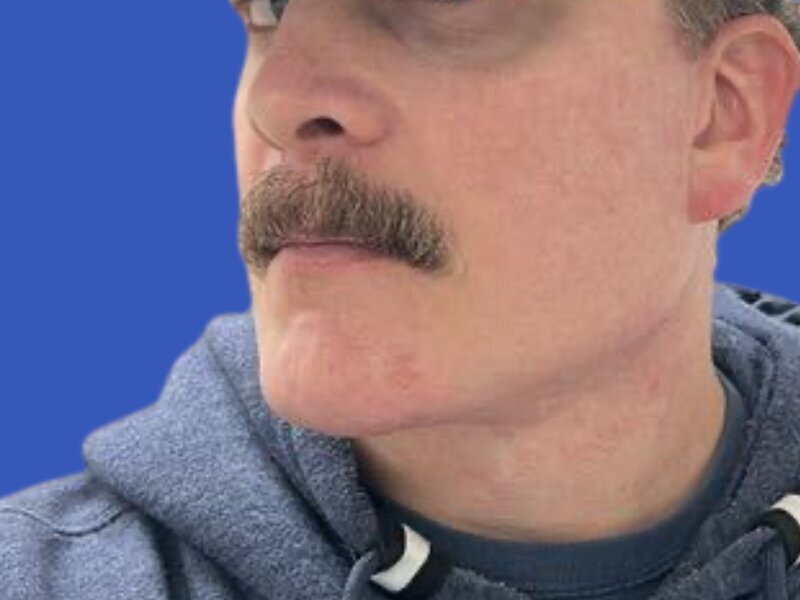
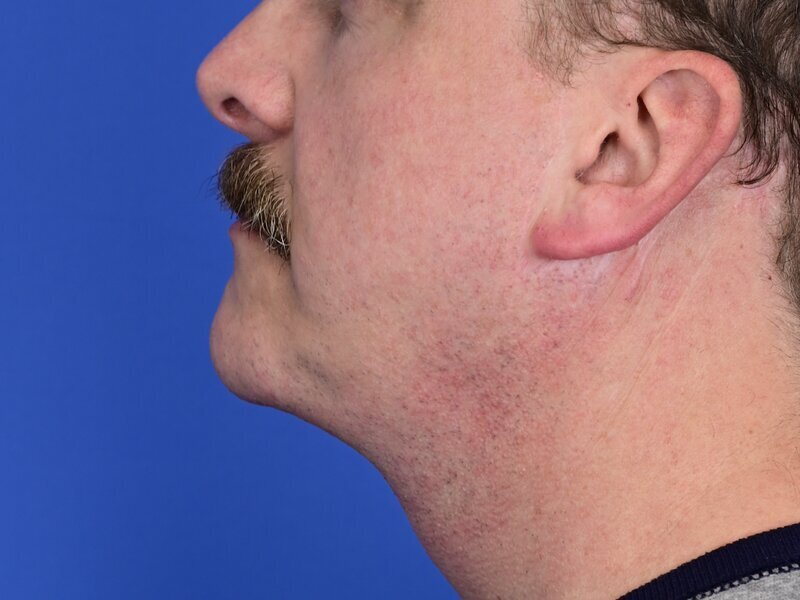
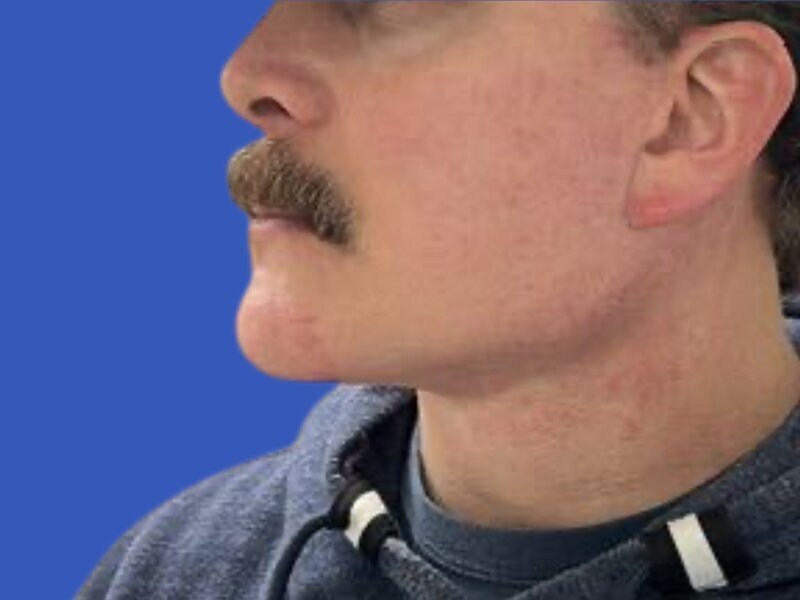
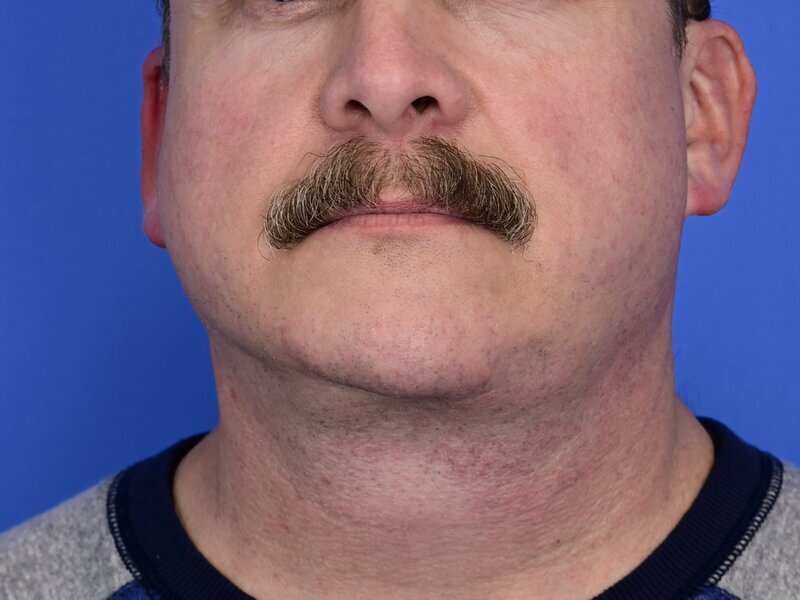
Left: Traditional Facelift result (performed elsewhere) Right: Revision Facelift with Deep Plane Technique performed by Dr. Rodman
The differences between Dr. Rodman’s technique, the deep plane face and necklift, compared to a traditional (SMAS) face and necklift are many, especially for men. In a traditional facelift, also known as an SMAS lift, the skin and fibrous layer below it (the SMAS) are pulled tight from the sides, trying to lift the neck. Using tension by pulling on the skin removes extra skin, but can result in an unnatural pulled look. Also, even when the skin and SMAS are pulled tightly, the underlying fat, sagging muscles, and drooping glands remain. A SMAS lift may improve loose skin, but it does not change the shape of the neck.
Dr. Rodman’s deep plane necklift restructures the neck by removing the deep tissues causing heaviness. Once the extra tissue is removed, the jawline stands out again. The skin can then be draped over the new neck shape without tension or pulling. In the deep plane necklift, the shape is changed, and the skin is lifted with the new shape. Two major improvements the deep plane face and necklift offers are 1) significantly better definition of the jawline and chin, and 2) much longer-lasting results. For men who want to reverse aging in the lower face and neck and improve the definition of their jawline, the deep plane technique is almost always superior.
Depending on the degree of aging, surgery may also be combined with blepharoplasty (eyelid lift), brow lift, fat grafting, or skin resurfacing, but the anchor of the operation is usually the lower face and neck. These are also surgeries that men often shy away from, because they fear the result will make them look softer or more feminine. Dr. Rodman’s extensive experience in facial masculinization surgeries brings expertise to each procedure. She adjusts her technique for each patient, giving a result that is youthful but remains strong on a man’s face.
With a male facelift Houston patients can treat structural aging in the lower face and neck that skin care, injectables, and laser treatments cannot reliably fix.
For men, the main concerns are usually:
The approach to a male facelift matters because men don’t want the same facelift a woman does. Men usually point to the neck, the jaw, and the side profile. The surgery should address that complaint directly.
A male facelift should make a man look firmer, cleaner, and less weighed down in the lower face and neck. The benefit is not added softness but a stronger structure.
Benefits can include:
For the right patient, the biggest win is simple: the neck stops dominating the face.
Scar placement matters in every facelift, but it matters even more in men because they often don’t have the option of hiding incisions with hair or makeup.
Incisions are usually placed in natural creases in front of and behind the ear, and in the hairline behind the ear. Early scars may look pink or firm, then continue to soften and fade over time.
Men should be aware that while a properly performed facelift will not distort their beard, it will bring bearded hair closer to the ear. Dr. Rodman usually uses a pretragal incision, meaning the incision goes in front of the tragus (the little point that stands out from the front of the ear). Putting the incision in front of the tragus means that the beard is not brought onto the ear. But the beard is closer to the ear than before. Most men are not bothered by this, but men who are should plan for electrolysis or laser hair removal afterward. During your consultation, Dr. Rodman will go over the planned incisions and what that means for your face and your beard based on your anatomy. Good planning helps protect a natural result here, too. A strong neck and jawline are great. A distorted beard line is not.
Typical incision for male facelift, with incision in front of tragus (pretragal) to prevent bearded skin onto the ear.
A good male facelift candidate is a healthy man with realistic expectations who wants meaningful improvement in the neck, jawline, and lower face.
Preparation starts with a consultation focused on the neck and jawline, not just the face in general.
Before surgery, Dr. Rodman reviews your goals, medical history, skin quality, beard pattern, neck anatomy, and the problem's depth. On physical exam, she will determine what tissues need to be addressed and review where the incisions will be. If the platysma is loose, deep fat is heavy, or salivary glands are prominent, the plan must address those layers for the best result.
Dr. Rodman’s office provides all supplies you need to support healing in the postoperative period. This includes supplies to clean and care for your incisions, any garments that may be needed for the neck and chin after surgery, and medical-grade scar gel.
Face Forward also provides hyperbaric oxygen therapy complimentary to all face and necklift patients. Hyperbaric oxygen, also known as HBO, is a treatment that increases oxygen delivery to your body's tissues, which helps new blood vessels grow and makes wounds heal faster. During the treatment, you lie in a small, soft chamber with pressure slightly higher than the outside air while breathing increased amounts of oxygen. Patients who are able to use the HBO chamber are often able to speed up their recovery. They feel energy return faster, their bruising and swelling resolve faster, and their incisions heal beautifully.
In addition to preparation at the office, patients should also:
A male facelift is not just skin tightening around the ears. In men, the most important part of the operation is often what happens deep in the neck.
The procedure is typically performed under anesthesia for comfort and safety.
Incisions are planned carefully around the ears and hairline, with close attention to beard-bearing skin and scar placement. Poorly designed incisions can cause beard hair to shift into unnatural positions. Dr. Rodman places meticulous sutures to prevent this. In surgery, deeper facial tissues are released and repositioned to improve jowls and support the lower face. This is not about creating extra cheek fullness. It is about restoring support and cleaning up drag through the lower face.
This is often the core of the operation in men. Neck refinement may include:
This is the difference between a basic lower facelift and a neck-focused male facelift that actually addresses what most men care about.
Skin is re-draped without strain. Excess skin is removed conservatively. The goal is a natural neckline and stronger jawline, not a pulled look.
Incisions are closed with attention to healing, scar quality, and preservation of a masculine, natural result.
A traditional facelift mainly addresses the SMAS and removes excess skin. That can help, but it may fall short in men whose real complaint is the neck.
A deep plane facelift with thorough neck work goes further. It allows better repositioning of deeper tissues and, when paired with the true deep necklift technique, creates more meaningful change in the jawline and neck.
For male patients with:
The deeper approach is often the more useful one. Again, the page may say facelift, but the practical win is usually in the neck.
Recovery usually involves swelling, tightness, and visibility rather than severe pain.
Men tend to care a lot about when the neck will stop looking swollen and when the jawline starts looking clear again. That is a fair question. The neck often takes time. Early improvement is visible, but the refined result comes as swelling drops and tissues settle.
Most patients want 10 to 14 days before being seen socially. Some prefer closer to 2 to 4 weeks, especially if the neck work was extensive or they are prone to bruising.
Light walking is encouraged early, starting day 1. After 2 weeks, patients can begin steady state cardio, with intensity light enough that they can carry on a conversation. Heavy lifting, intense workouts, and strenuous activity need to wait until cleared, usually 6 weeks after surgery.
First few days: Swelling, bruising, tightness, compression, rest
Week one: The neck still looks worked on, but the early outline of the new jawline is usually visible
Weeks two to three: Many patients feel ready for public-facing activities, depending on how much swelling lingers. Sutures are removed, but the incision may still appear red.
Weeks four to six: The neck and jaw look good, but results will continue refining and final swelling resolves. Incisions begin to fade
3-4 months: Final settling, softer tissue feel, better jaw-neck definition, incisions continue to fade
Follow instructions for sleeping and incision care, protect incisions from the sun, avoid pushing activity too early, and give the neck time to settle. Neck swelling can be stubborn. This does not mean the result is off but that healing is still happening.
You will see improvement early, but final results take time.
The first thing most men notice is that the jawline starts to separate from the neck again. The fullness under the chin begins to come down. The lower face looks less heavy. Then the details sharpen.
| Stage | What to Expect |
|---|---|
| First 1–2 weeks | Swelling and bruising, early jaw and neck improvement visible |
| Weeks 3–6 | Better contour, less social visibility of recovery |
| Months 2–3 | Cleaner neckline, sharper jawline, more natural appearance |
| Months 6+ | Mature result with settled tissues and refined neck definition |
A male facelift can last a long time, especially when the surgery includes true deep neck restructuring instead of skin tightening alone.
Longevity depends on:
When the neck is actually restructured, rather than simply tightened at the surface, the result tends to last many years.
Men often ask whether they need a full facelift, a mini facelift, neck liposuction, or something non-surgical.
| Option | Best For | Limits |
|---|---|---|
| Traditional facelift | Moderate lower-face aging, loose skin without heaviness | May not fully correct deeper neck problems or heavy necks |
| Deep plane facelift with deep necklift | Men with jowls, neck heaviness, poor jawline definition, deeper fullness | More involved surgery, but more useful for the typical male complaint |
| Liposuction alone | Removes fat under the skin only, usually fat associated with weight gain | Does not tighten muscles or treat loose skin, does not remove deep fat, which is the cause of most heavy necks |
| Non-surgical treatments | Mild early changes in skin with energy devices, limited improvement of jawline definition by adding jawline fillers | Cannot reduce deep tissues or restructure the neck or sharpen the jawline the same way surgery can |
Yes. Combination treatment is common when aging affects more than one part of the face.
Common add-ons include:
One thing Dr. Rodman understands to be careful about in men: adding facial volume to create fullness is not the goal, especially in the cheeks. Men don’t want to look soft or round. Still, often a small amount of fat can be added under the eyes, in the temples, or along the jawline to replace what has been lost. Dr. Rodman understands that the goal is to fill the hollows, but not feminize the face. A small amount of fat grafting can be the finishing touch in contouring, but in most cases, the visual payoff comes from subtraction and tightening, not adding fullness.
Face Forward Houston focuses on facial plastic surgery, not generalized body contouring or broad cosmetic menus. A practice that specializes only in facial surgery means all attention is focused on the face, and not divided between body procedures.
Dr. Regina Rodman is a double board-certified facial plastic and craniofacial surgeon with experience in both facial masculinization and the aging male face. That combination is useful here. Male facelift surgery is not just a female facelift with different pronouns. She has years of experience in facial masculinization and feminization surgeries and understands the features, vectors, shapes, and angles to preserve masculinity when rejuvenating a face. She has a strong read on masculine structure, thicker tissues, beard-bearing skin, and the neck-first priorities most male patients actually bring into consultation.
This practice’s strongest lane is facial surgery with structural detail. For men, that means a plan built around what actually bothers them: the neck, the jawline, fullness under the chin, jowls, and a heavier lower face.
Schedule a consultation. Call the office at (713) 321-2424 or request an appointment online. Face Forward Houston is located at 427 W 20th Street, Suite 100, Houston, TX 77008.
For many men, the real concern is the neck and jawline. A male facelift often includes significant neck work because that is usually where the aging shows most. A neck lift focuses more directly on fullness under the chin, loose skin, platysma banding, and a weak jaw-neck angle. In practice, many men asking for a facelift need a deep necklift as part of the plan.
Very often, yes. Men tend to care more about the neck than cheek volume or midface lift. If the neck looks heavy, the jawline is blurred, or there is fullness under the chin, a neck lift is usually part of the surgery. That is what creates the cleaner, stronger lower-face result most male patients are after.
A male facelift can improve loose skin, jowls, fullness under the chin, a weak cervicomental angle, and poor jawline definition. The deeper neck work may include platysma tightening, removal of deeper fat, contouring beneath the jaw, and, in select cases, treatment of prominent salivary glands. The goal is a sharper neck and jawline, not a softer face.
It often is, especially when the lower face and neck are heavy. A deep plane facelift allows deeper tissue repositioning and works well when skin-only tightening is not enough. For men with a thicker neck, stronger jowls, or more advanced lower-face aging, the deeper approach often gives a more meaningful result.
Sometimes, yes. If the double chin is caused by loose skin, excess fat, muscle laxity, or deeper neck fullness, surgery can improve it far more effectively than filler or skin tightening treatments. The exact approach depends on what is creating the fullness. In some men, liposuction alone is not enough because the real issue sits deeper. A deep plane neck lift will subtract the extra tissue from under the chin, but some men may need a chin augmentation at the same time to add structure and projection to the chin. For these patients, Dr. Rodman performs the “Forward Lift,” which is a deep plane necklift and genioplasty (or chin implant).
It should not. A good male facelift restores structure through the neck, jawline, and lower face without making the cheeks look over-lifted or overfilled, and without the skin looking tense, pulled or windswept. Men usually want to look firmer, cleaner, and less heavy. The best result looks like you, just with a stronger outline.
Most men want about 10 to 14 days before returning to activities, and often an additional week before being seen socially; some prefer two to three weeks. The neck can stay swollen longer than patients expect, even when the improvement is already visible. The sharper result shows up as swelling drops and the tissues settle.
They are usually well hidden when incision placement is planned carefully. In men, that means paying close attention to beard-bearing skin and the natural creases around the ear. Scar planning matters because a good scar should heal into the natural creases, shadows and hairline and be minimally visible once healed.
Yes. Men often combine facelift surgery with eyelid surgery if the upper lids feel heavy or tired. A brow lift may also be useful in the right patient. The key is keeping the result masculine and structurally clean. The neck and jawline usually stay the priority.
Cost of a male facelift depends on how much work is needed in the face and neck, whether deep neck restructuring is required, and whether procedures like eyelid lift or brow lift are included. If you would like, contact our office, and our patient care coordinator can give you a ballpark estimate of the price for the procedures you are interested in. True pricing is given after consultation, once Dr. Rodman has examined the neck, jawline, skin, and deeper anatomy in person or virtually.
Schedule Your Houston Plastic Surgery Consultation Today
The Face Forward process starts with a consultation. You will meet with Dr. Rodman (either in the office or via video call) to discuss the result or look you want to achieve. Dr. Rodman will review and educate you about your options and schedule you for the procedure of your choice. Follow-up appointments will be scheduled as necessary. Achieve your look and enjoy the new you! Schedule your consultation for plastic surgery in Houston at Face Forward today.
427 W 20th Street Suite 100, Houston TX 77008
Monday - 9am - 5pm
Tuesday - 9am - 5pm
Wednesday - 9am - 5pm
Thursday - 9am - 5pm
Friday - 7:30am - 3:30pm