 (713) 321-2424
 Consultation
Skin elasticity decreases as time passes. Facial volume shifts downward, creating heavy lower-face shadows and altering the sharp jawline you once had. A facelift (rhytidectomy) provides a direct surgical correction for this structural descent. By repositioning the deeper muscle layers and removing redundant skin, we rebuild the architectural support of the midface, jawline, and neck.
At Face Forward Houston, double board-certified facial plastic and craniofacial surgeon Dr. Regina Rodman delivers high-precision facial surgery just a short drive from the Lazybrook neighborhood. Her focus is strictly anatomical. She restores the specific facial vectors that make you look rested and recognizable, avoiding the pulled or tight appearance associated with outdated techniques. If you want to address visible tissue laxity and restore proportion to your features, a customized facelift provides a definitive, long-term solution.
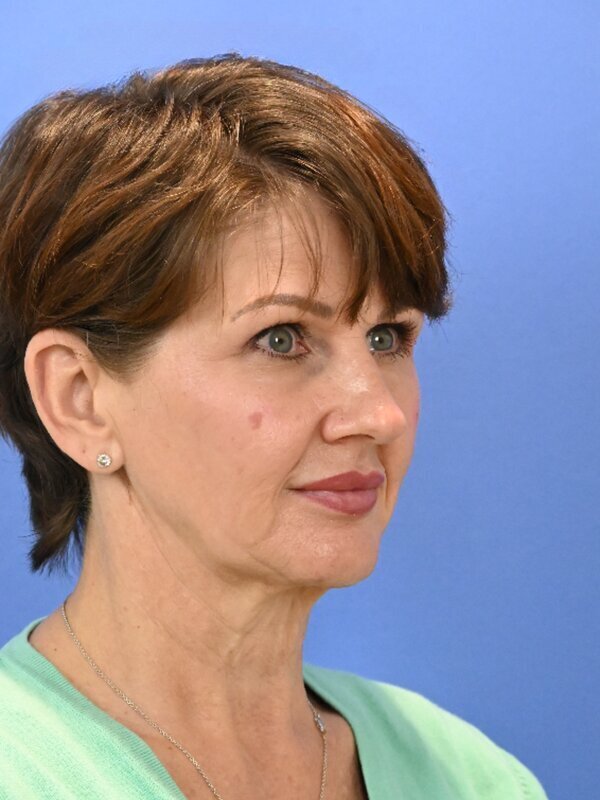
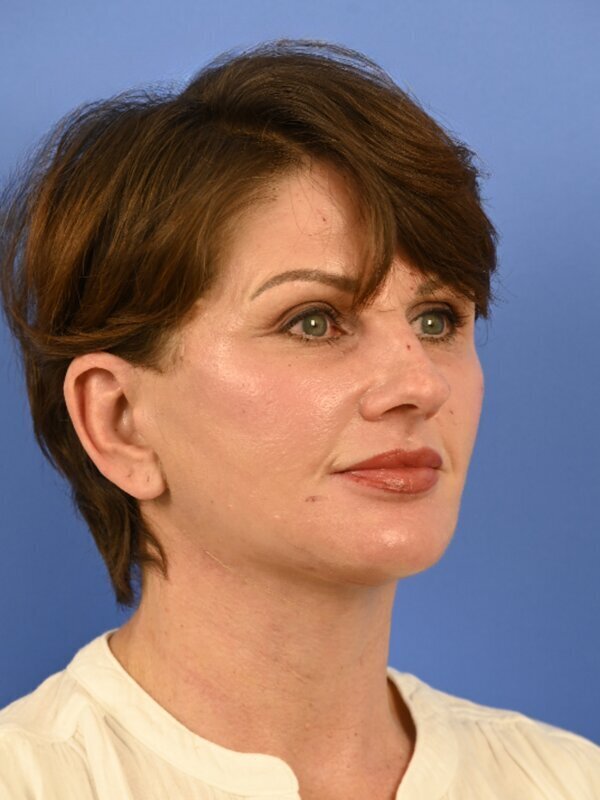
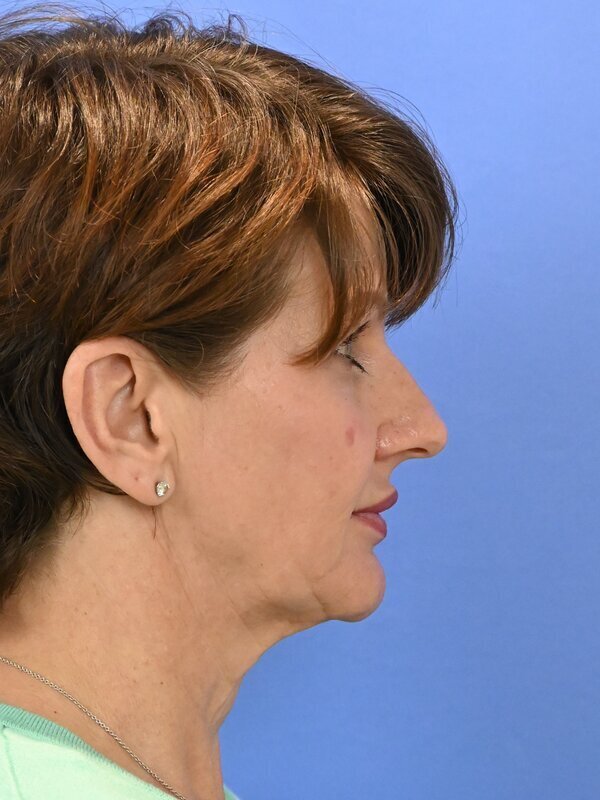
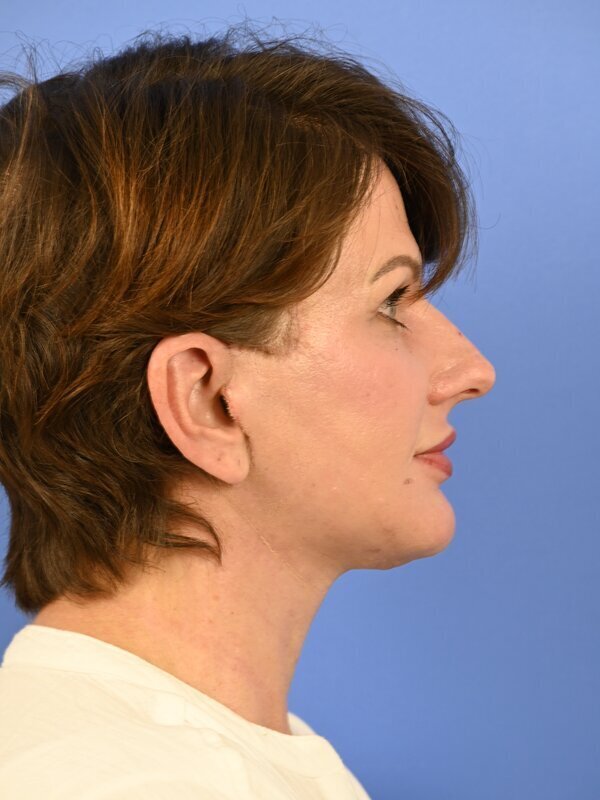
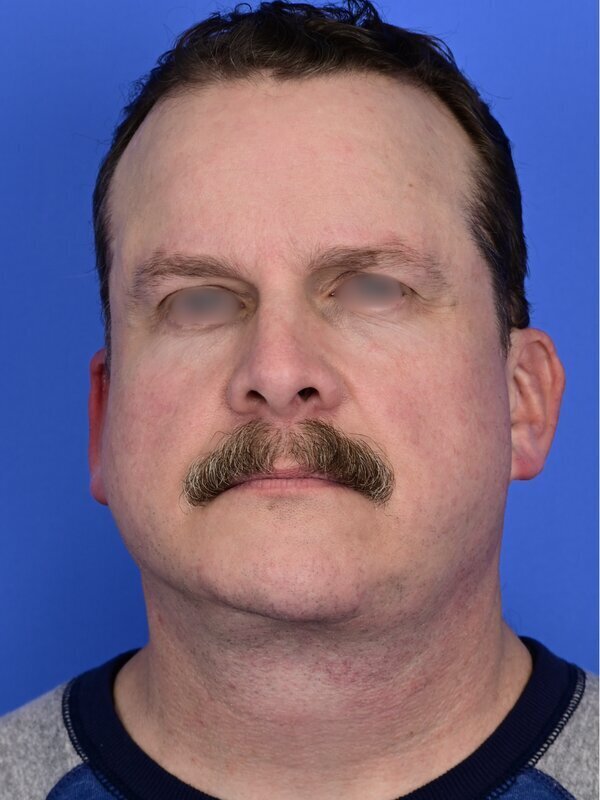
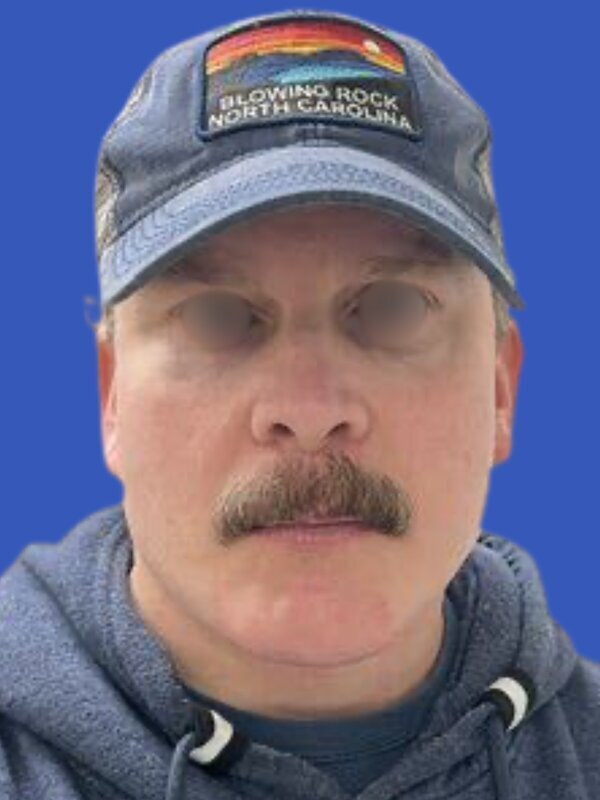
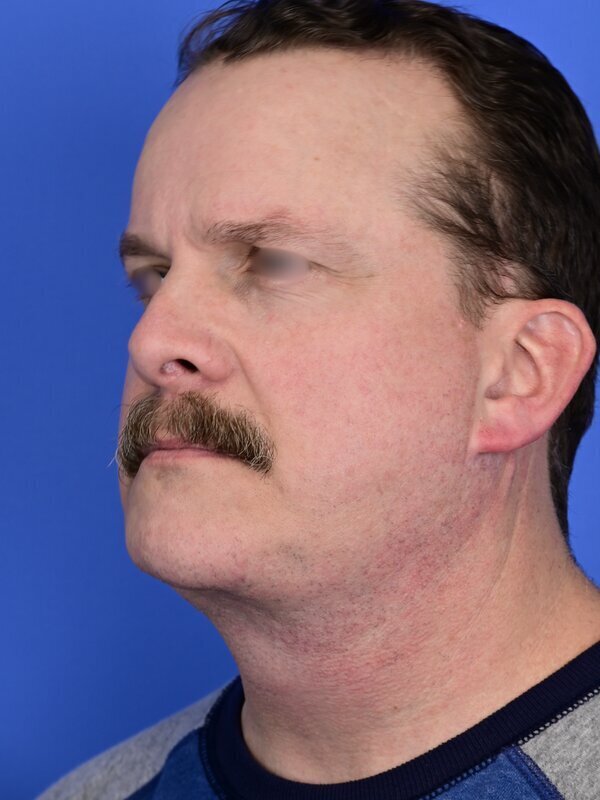
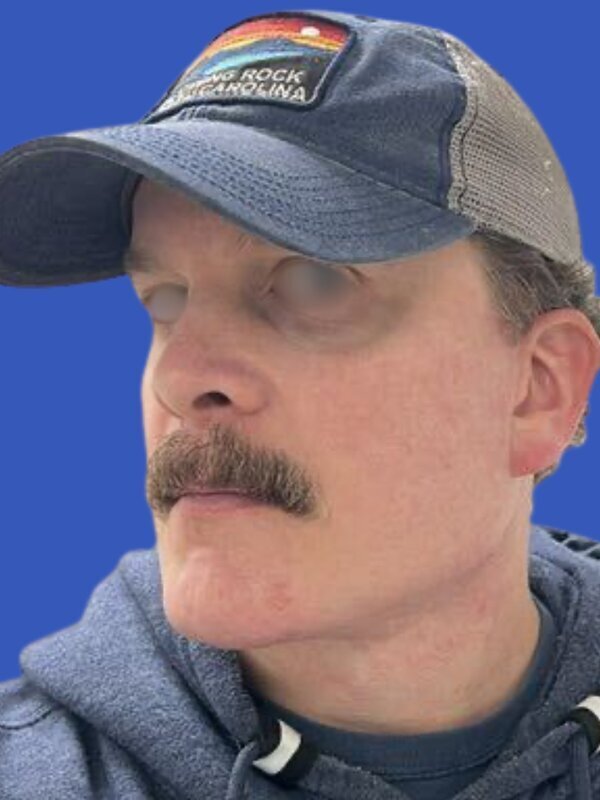
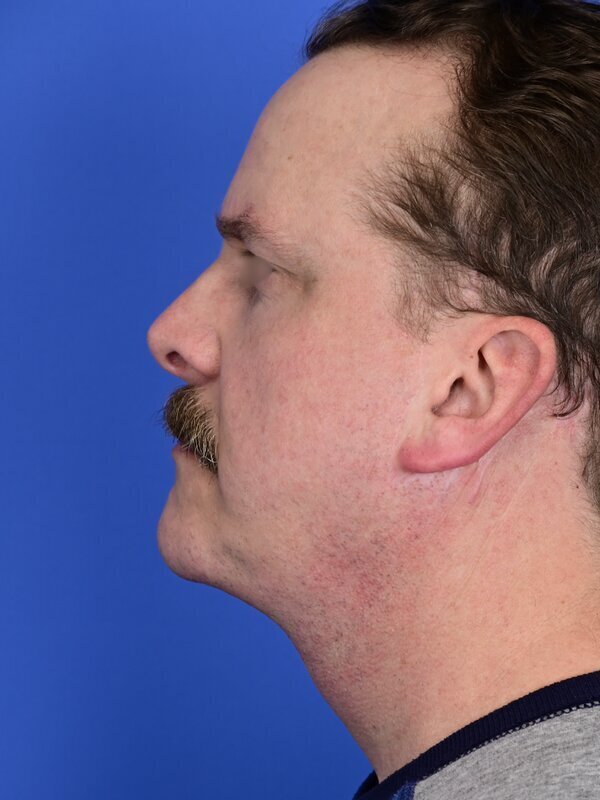
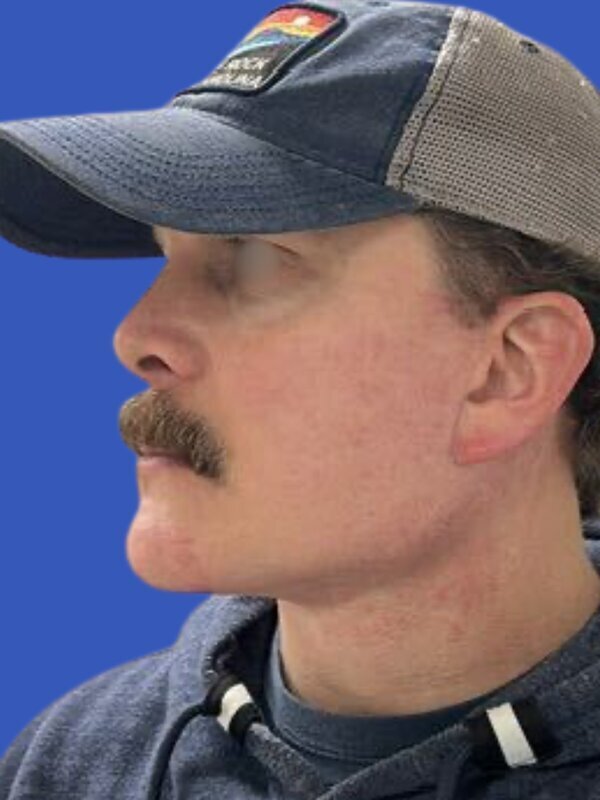
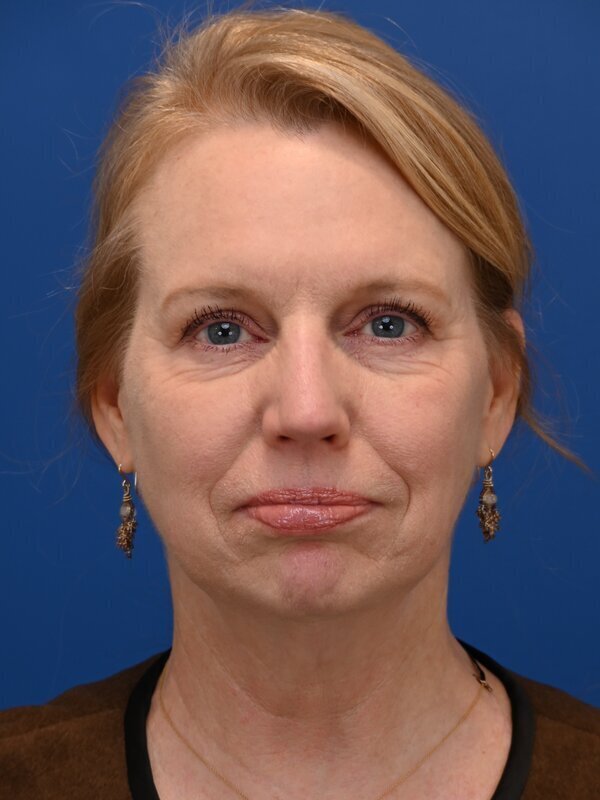
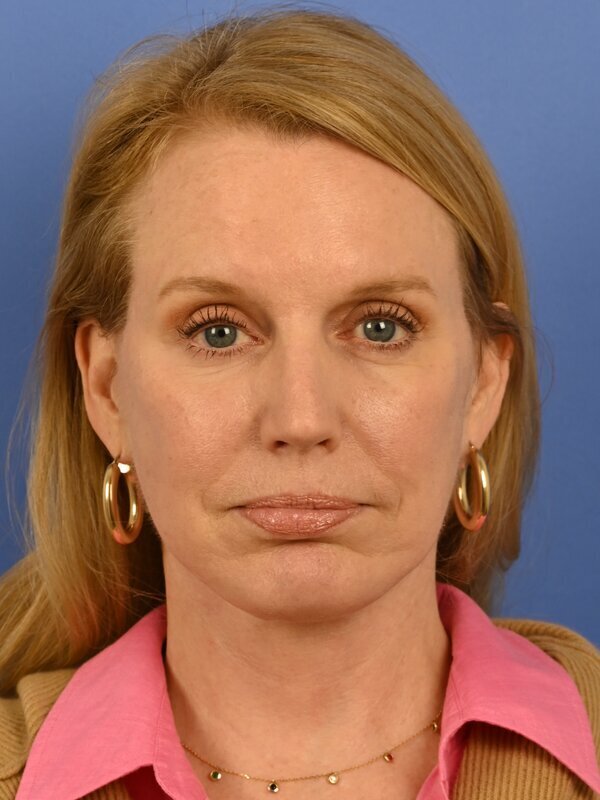
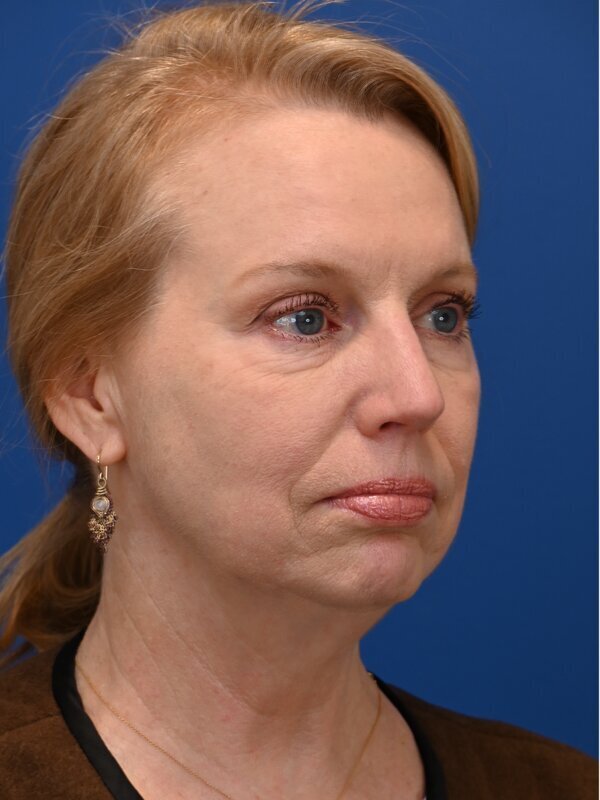
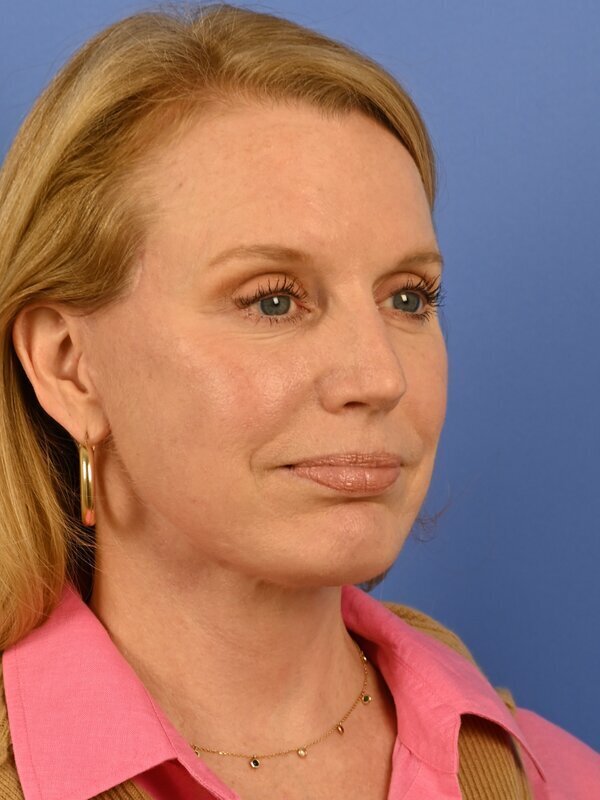
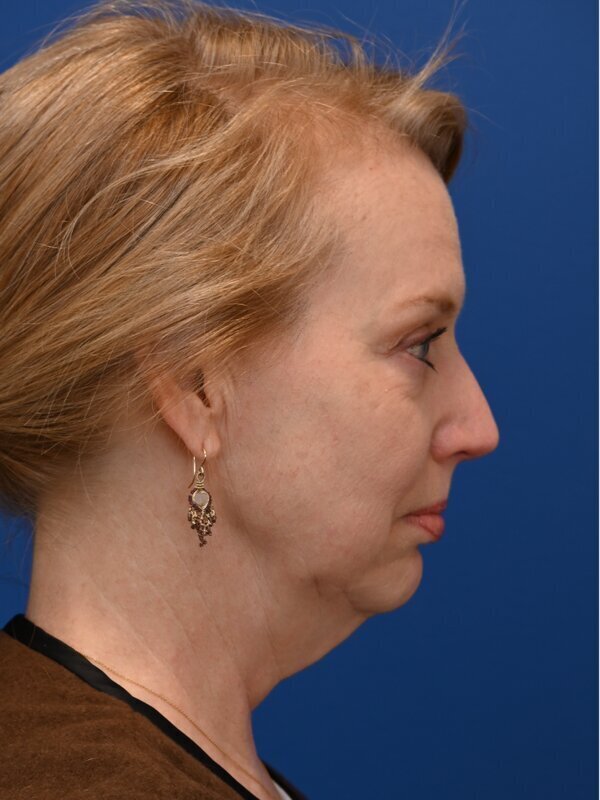
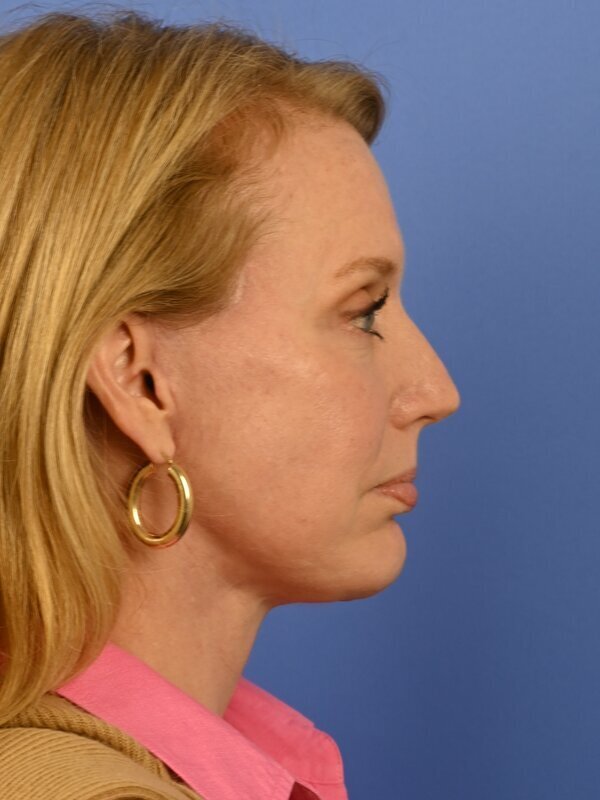
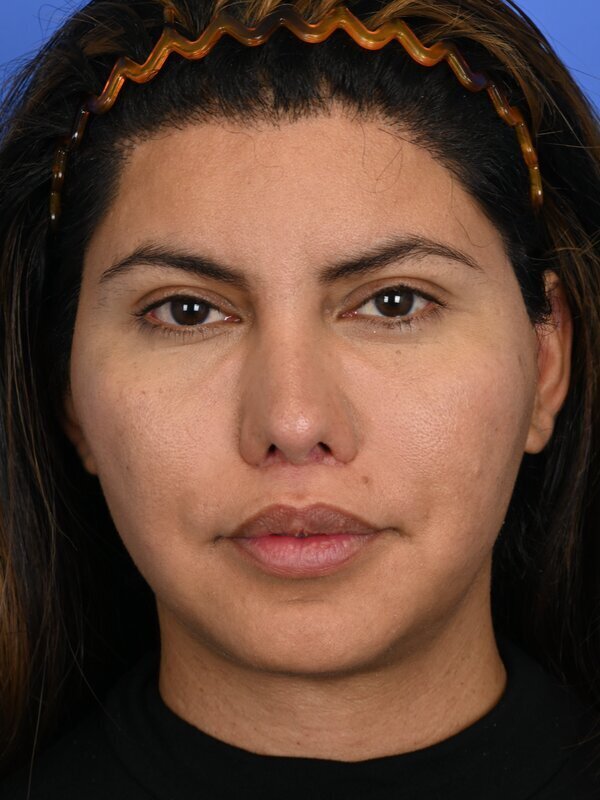
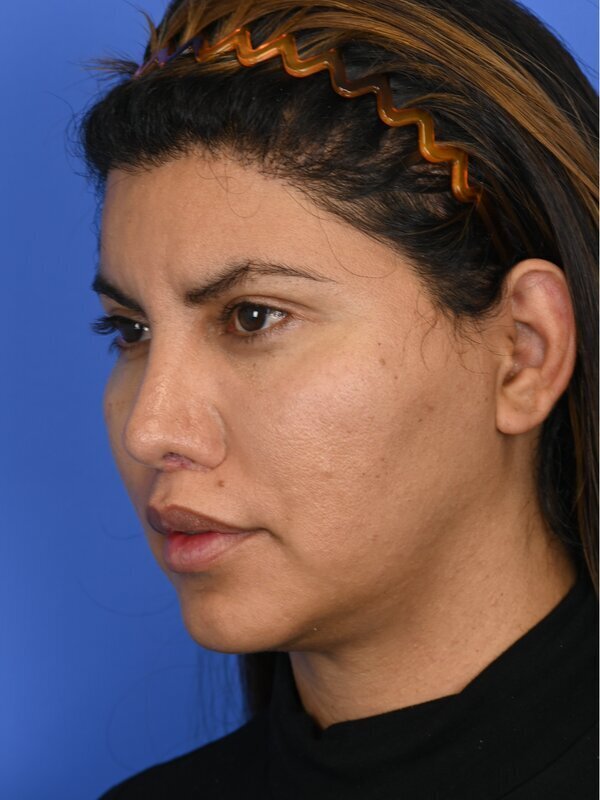
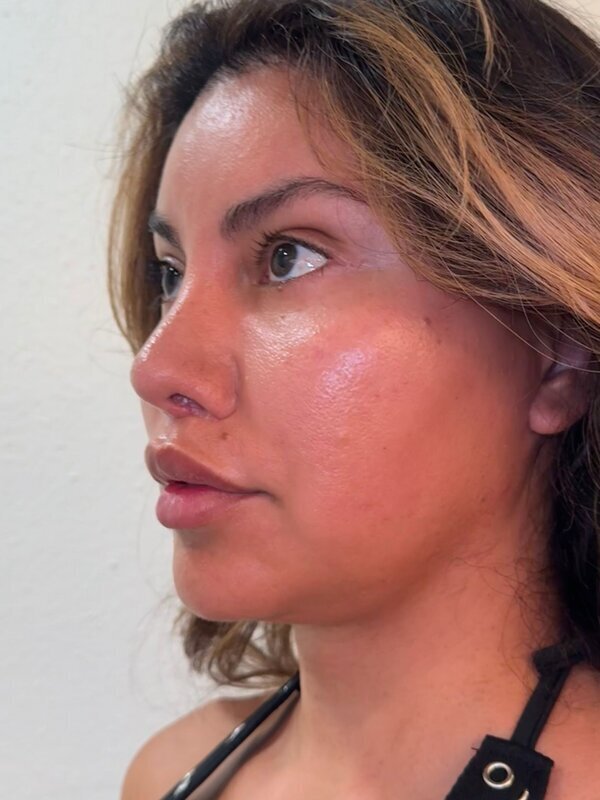
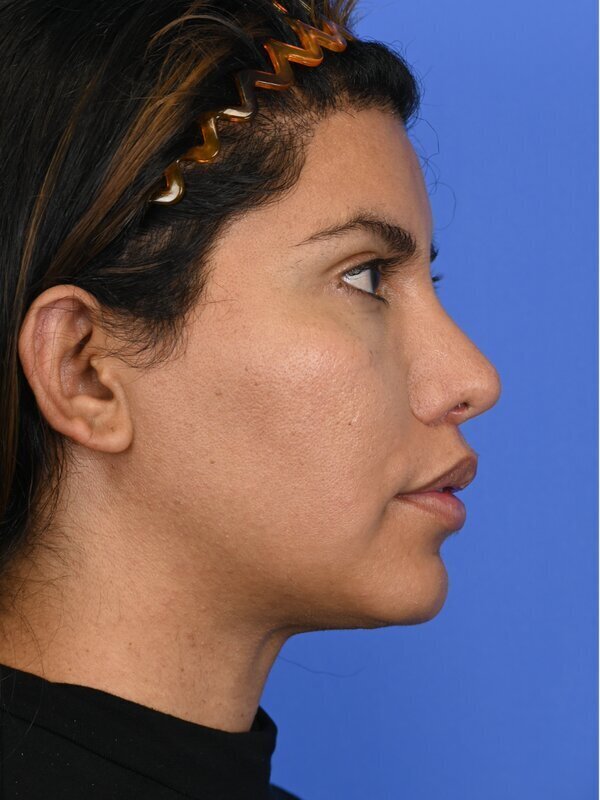
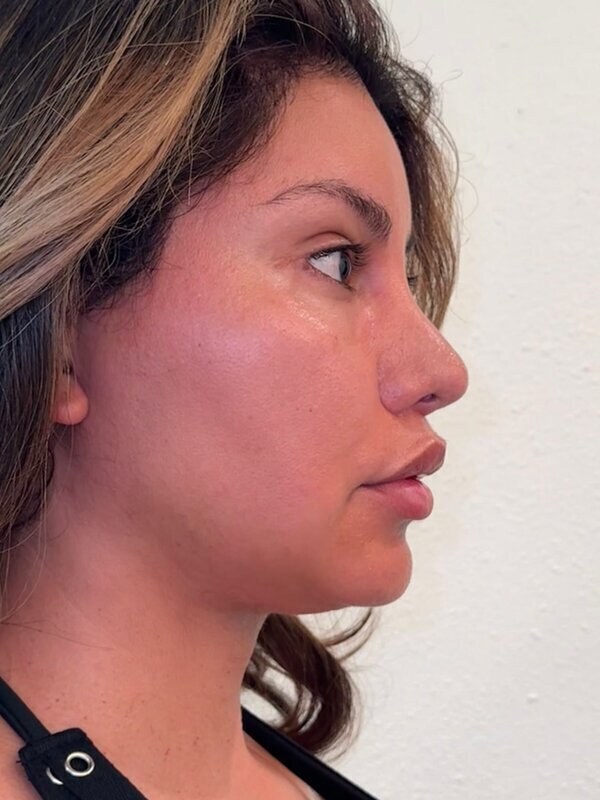
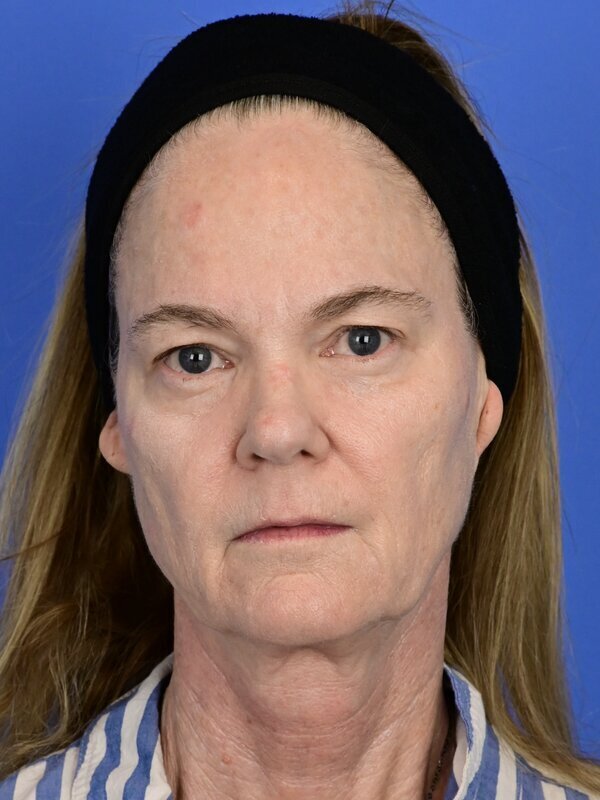
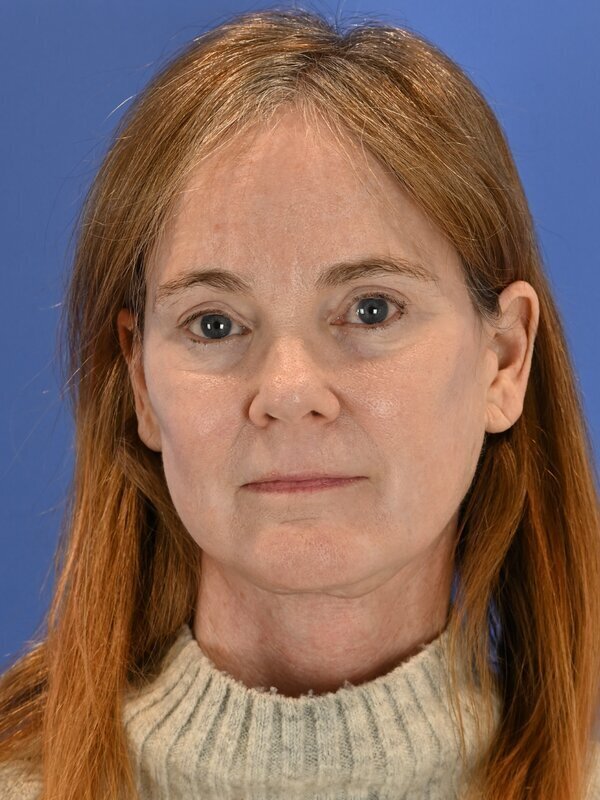
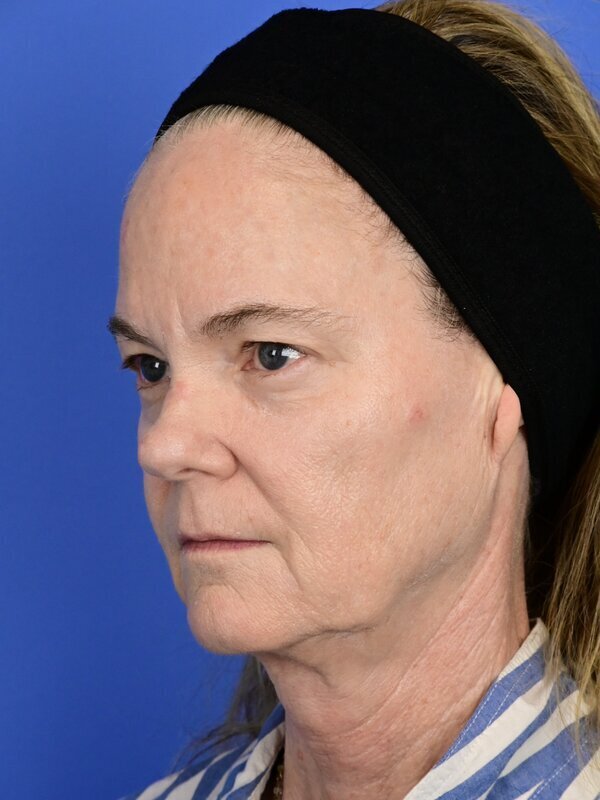
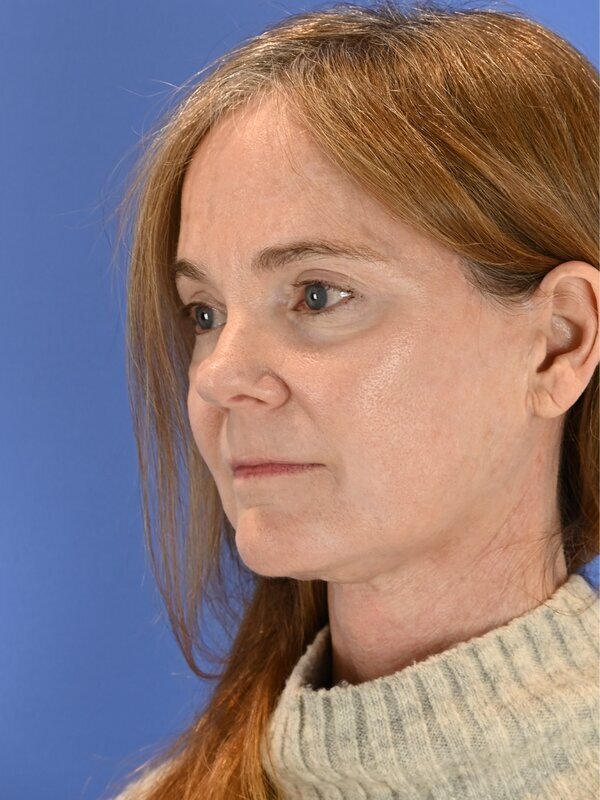
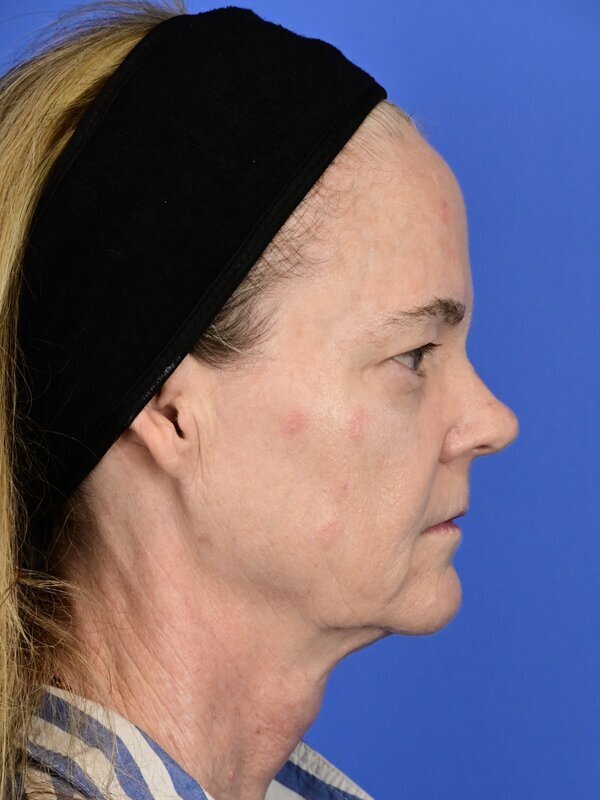
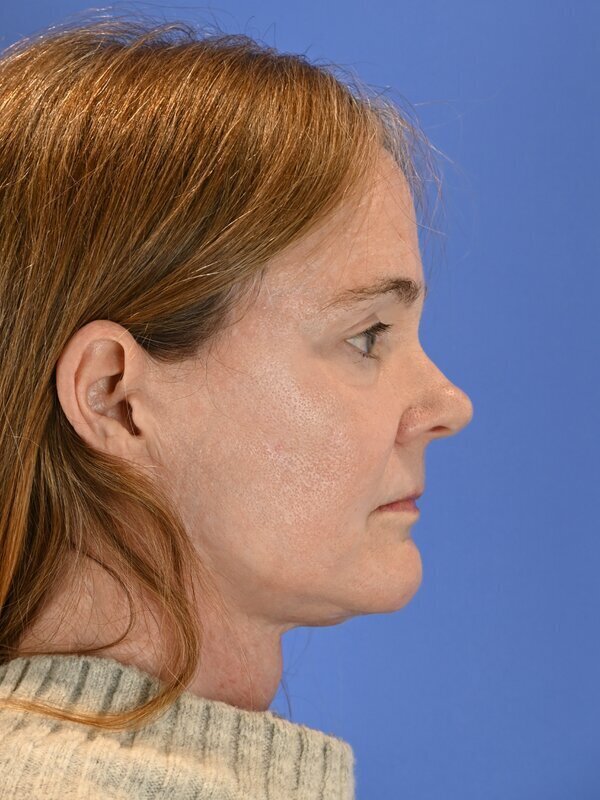
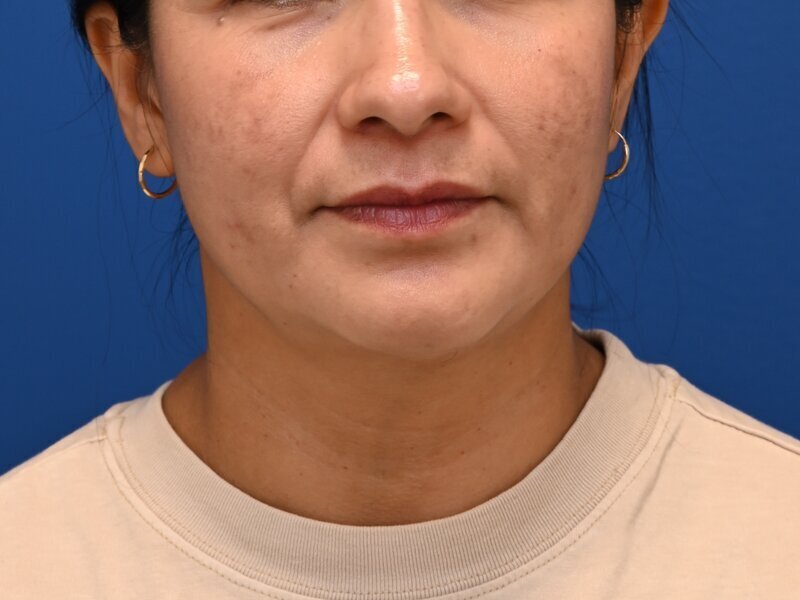
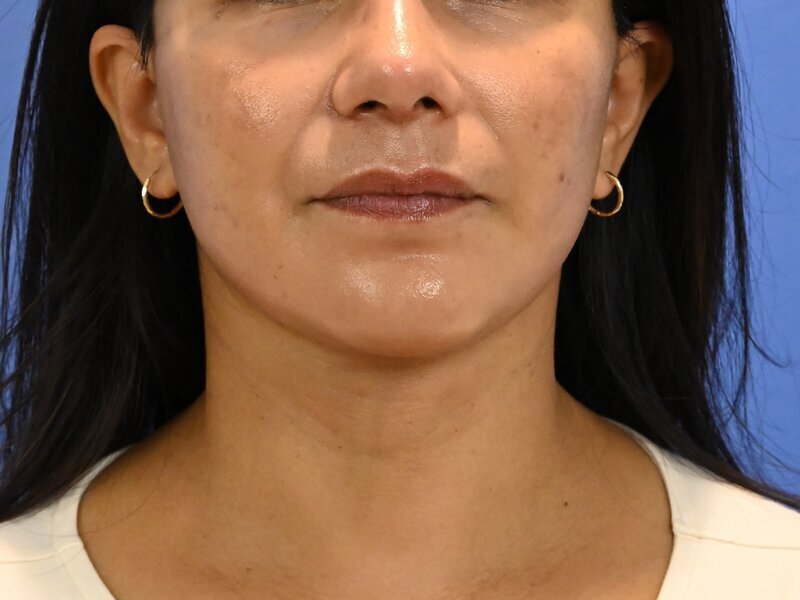
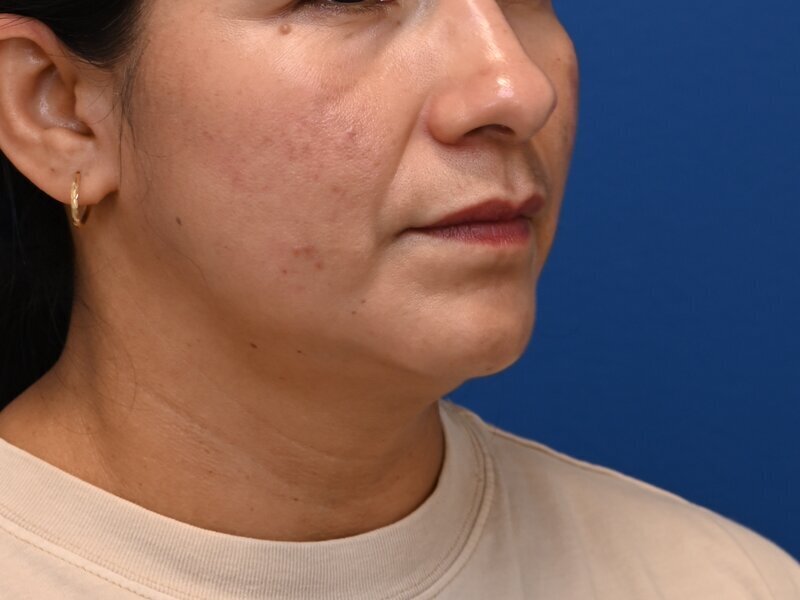
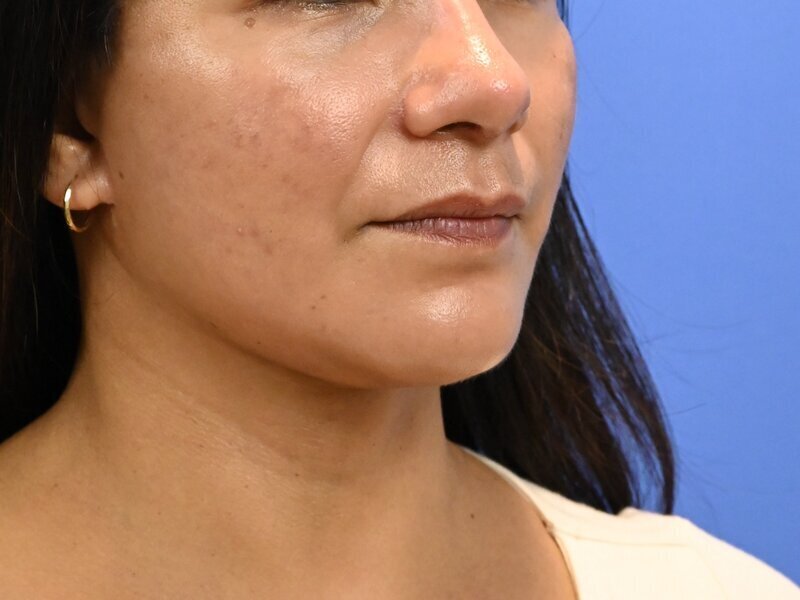
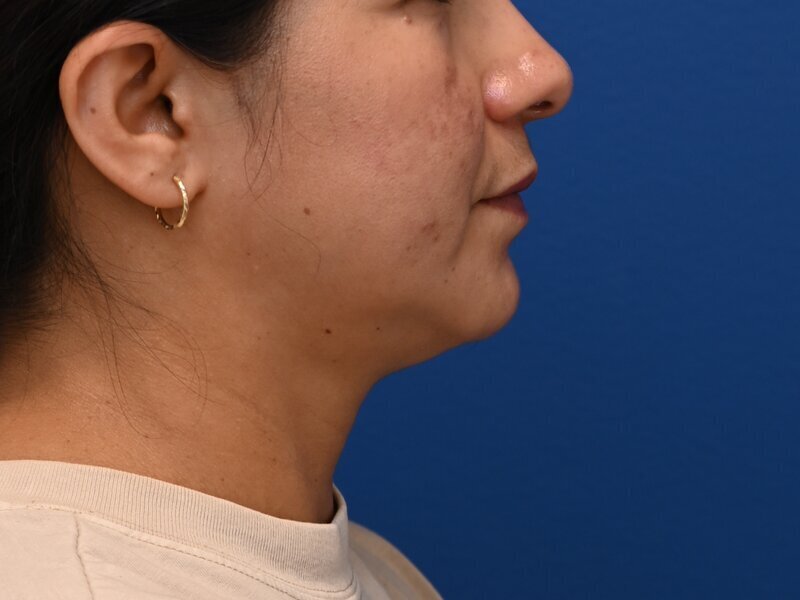
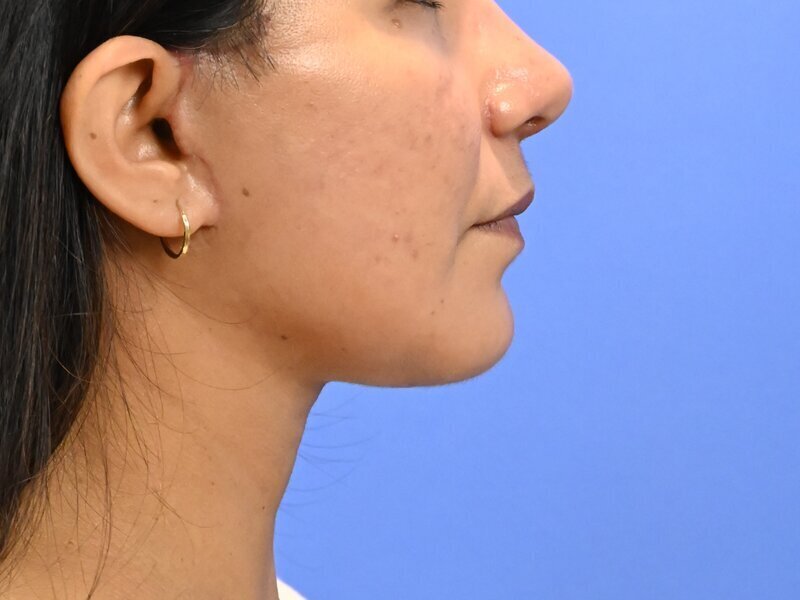
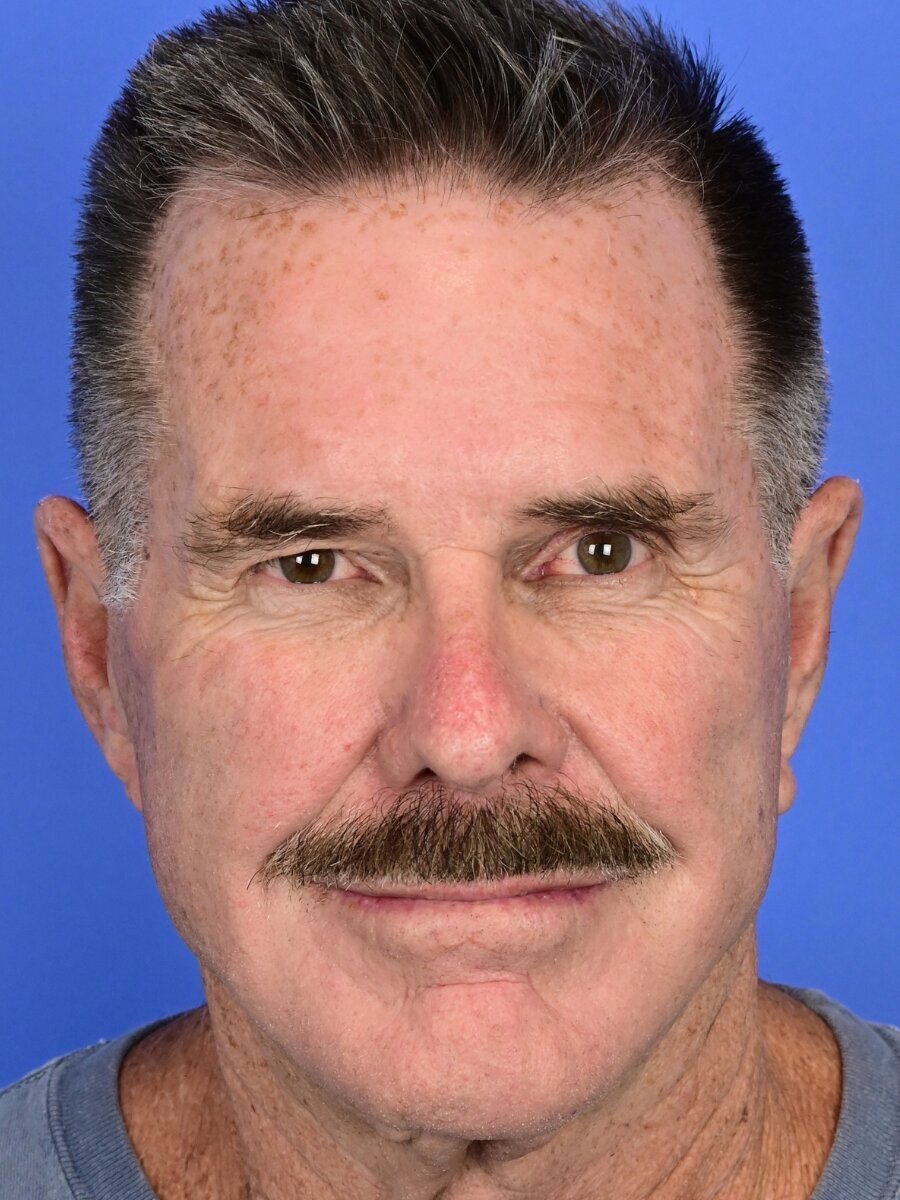
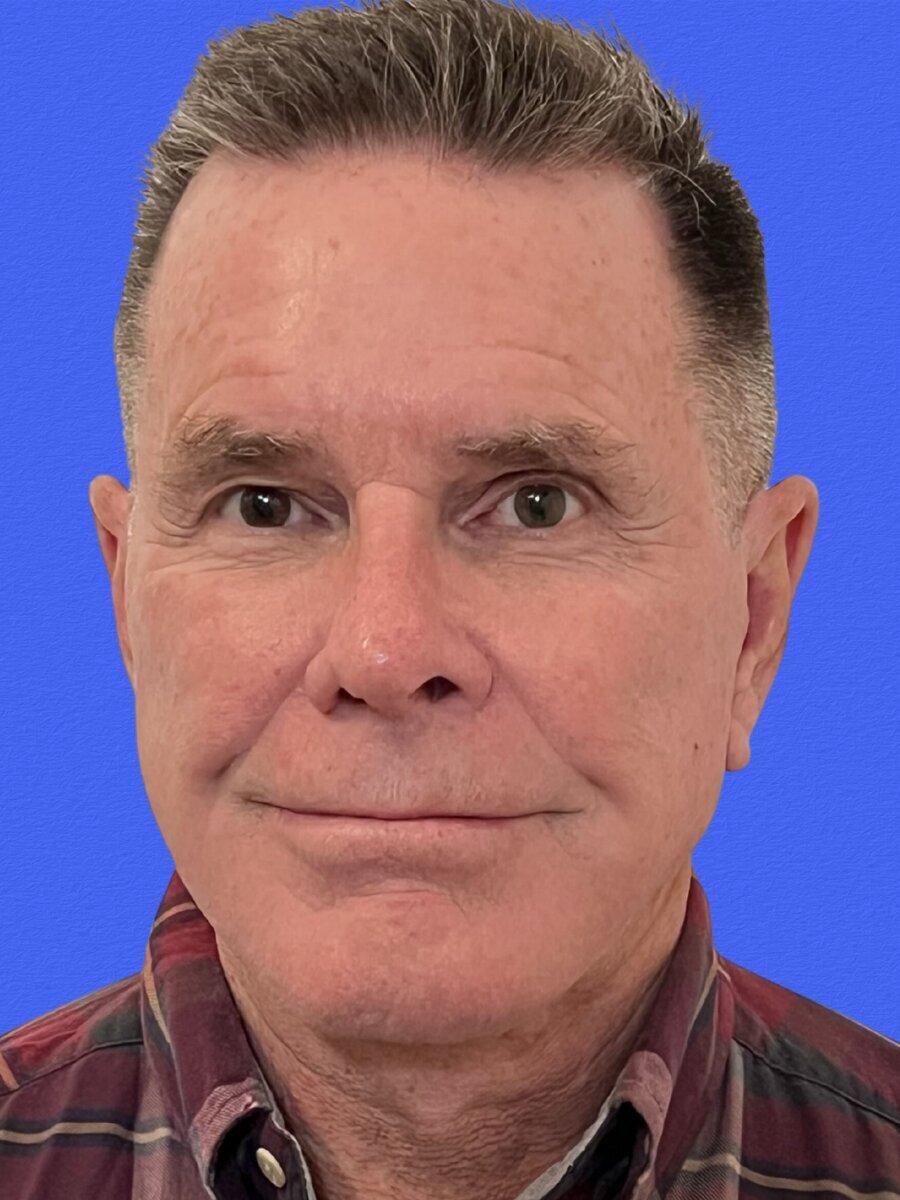
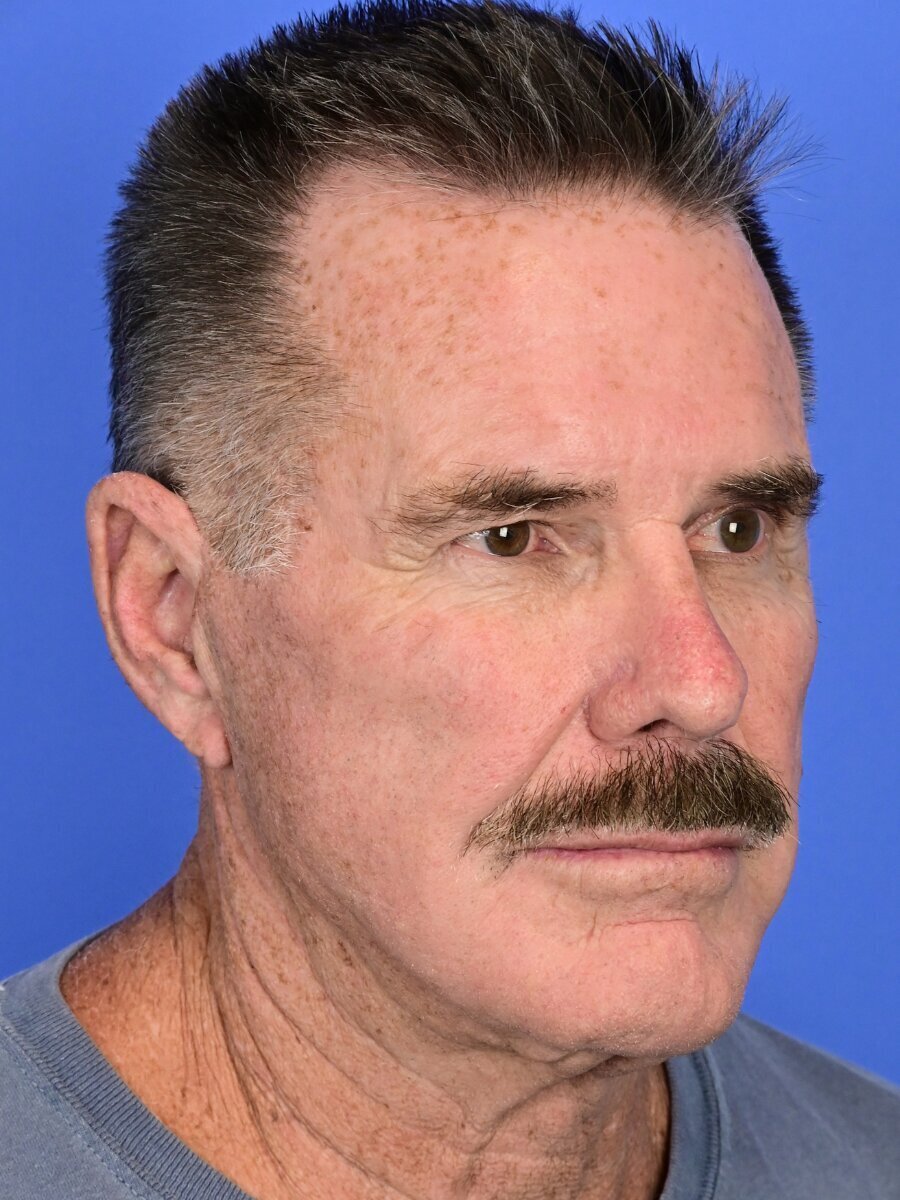
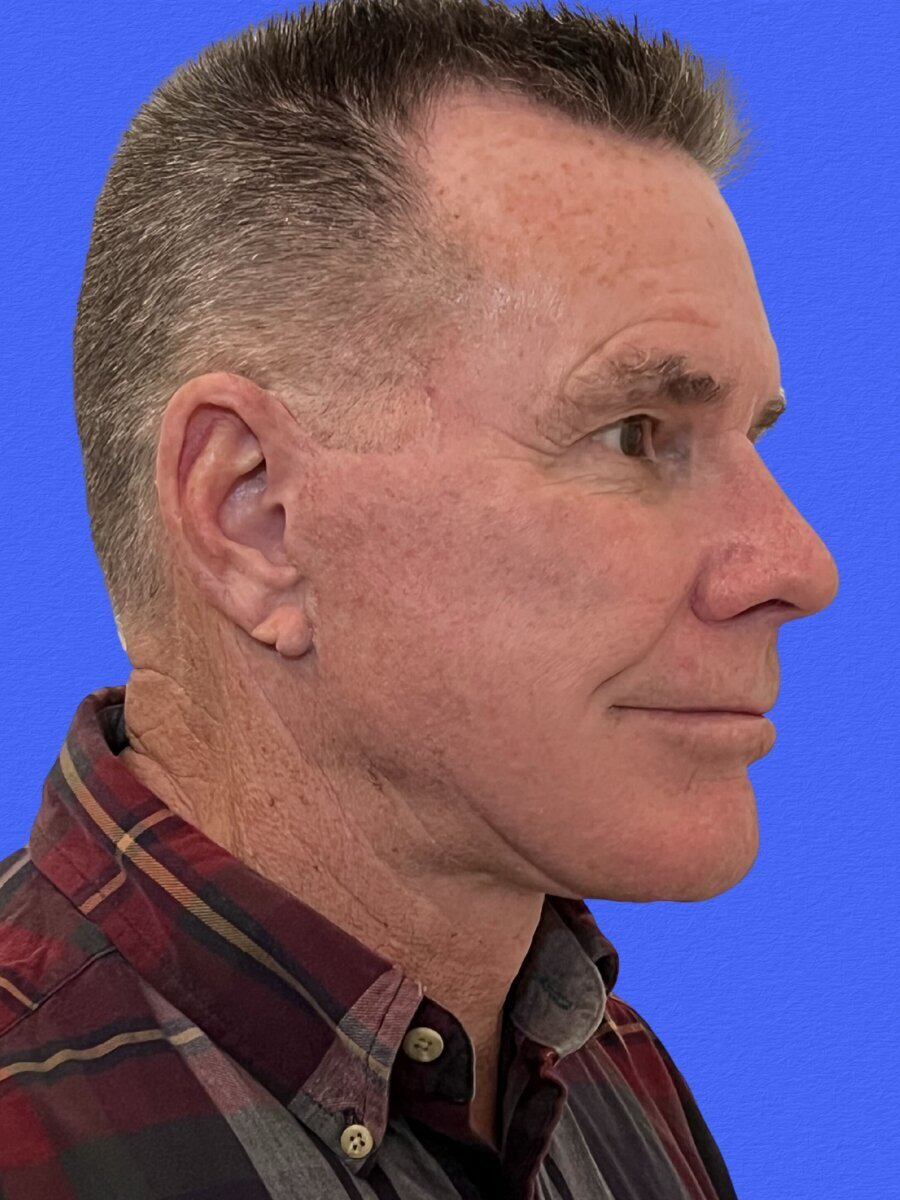
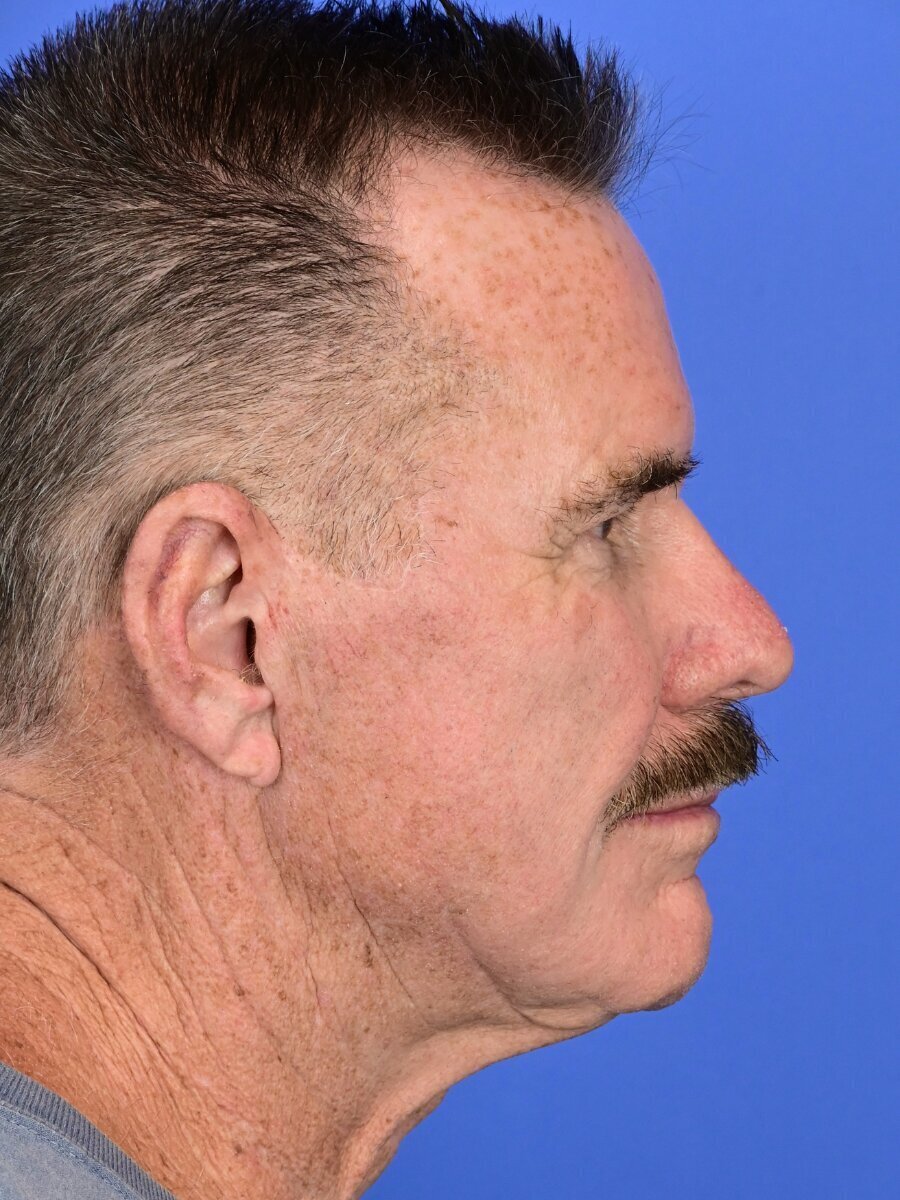
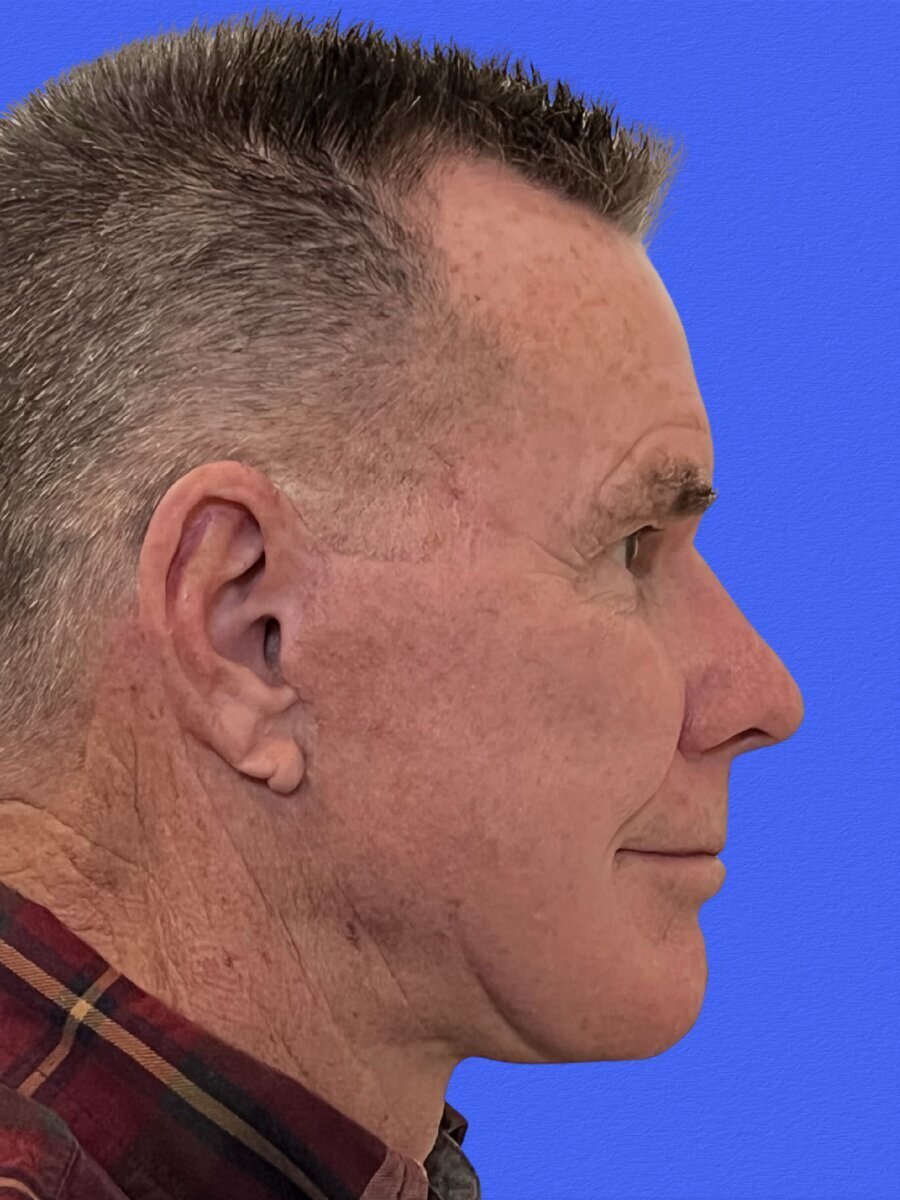
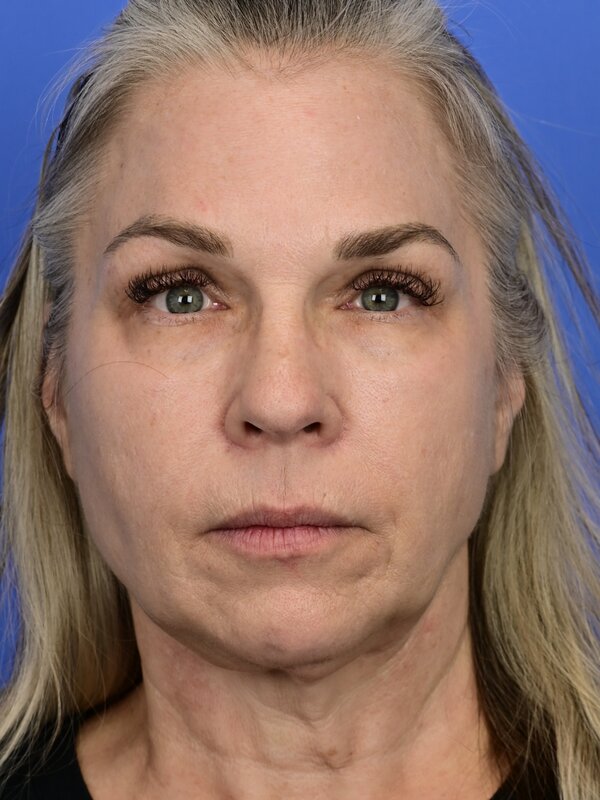
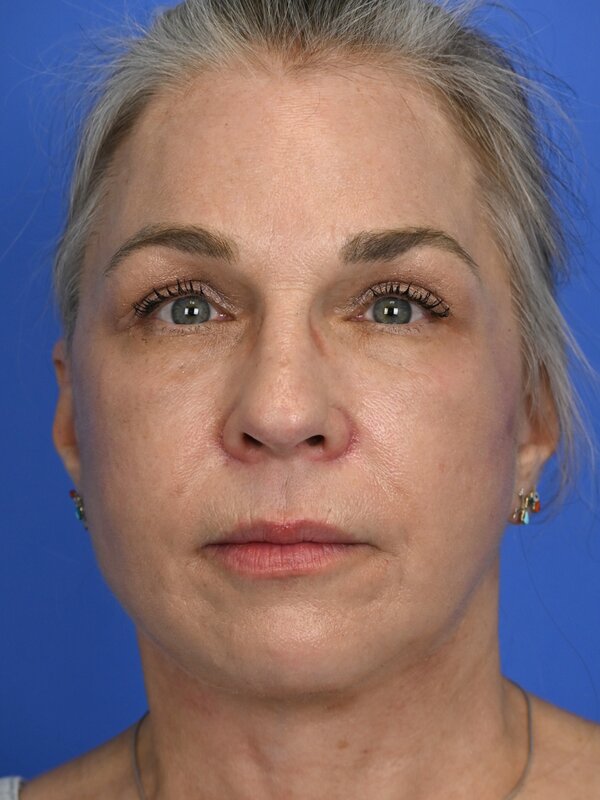
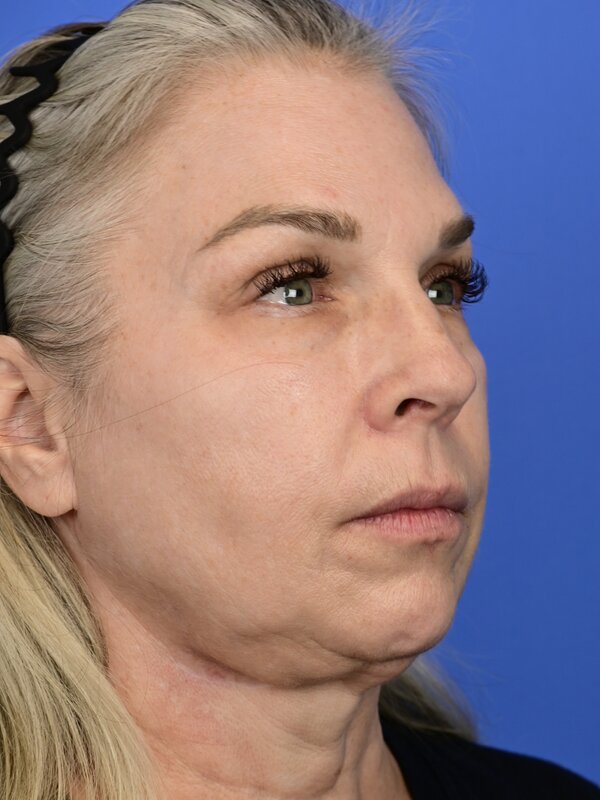
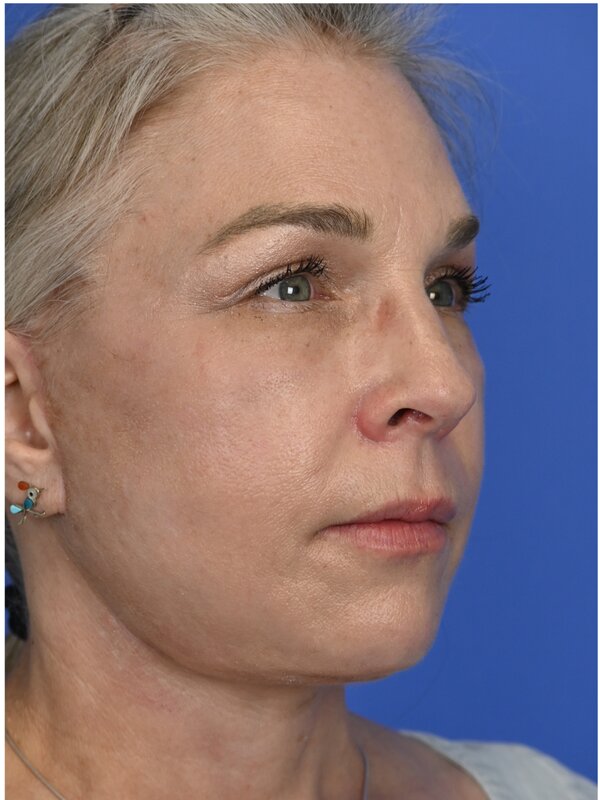
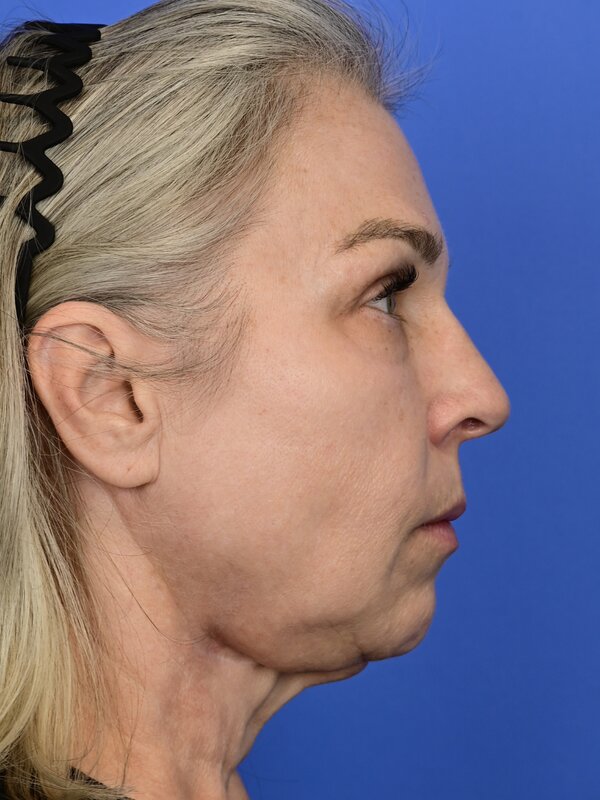
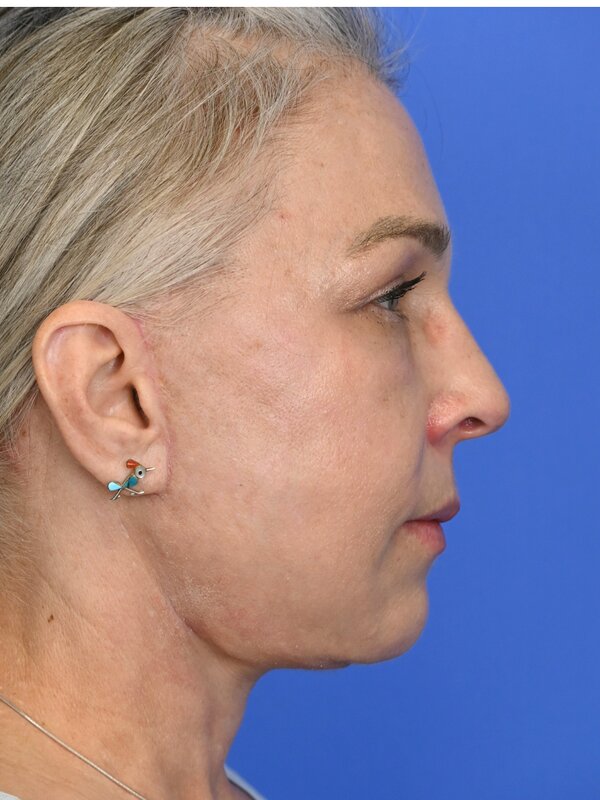
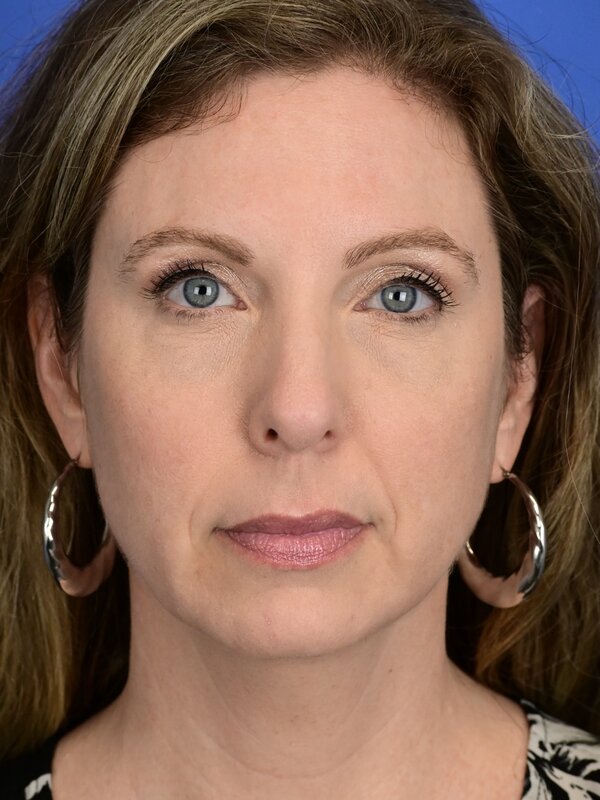
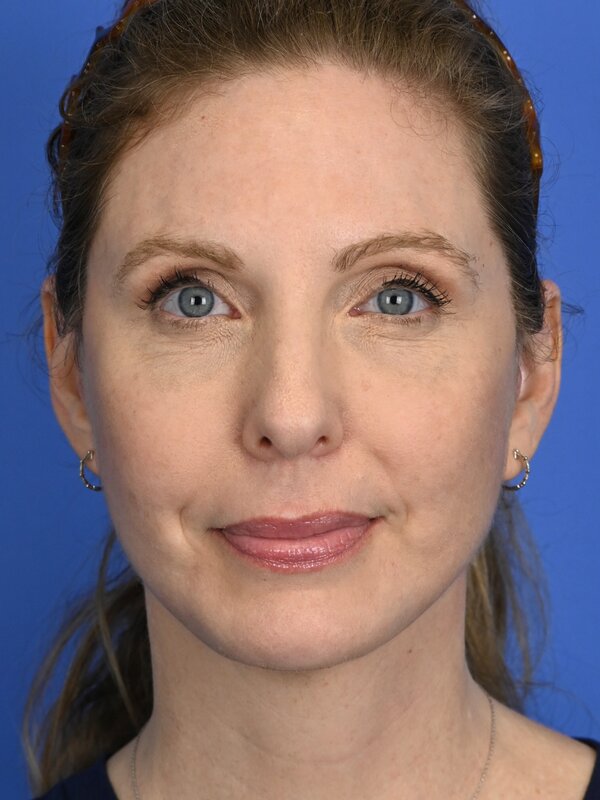
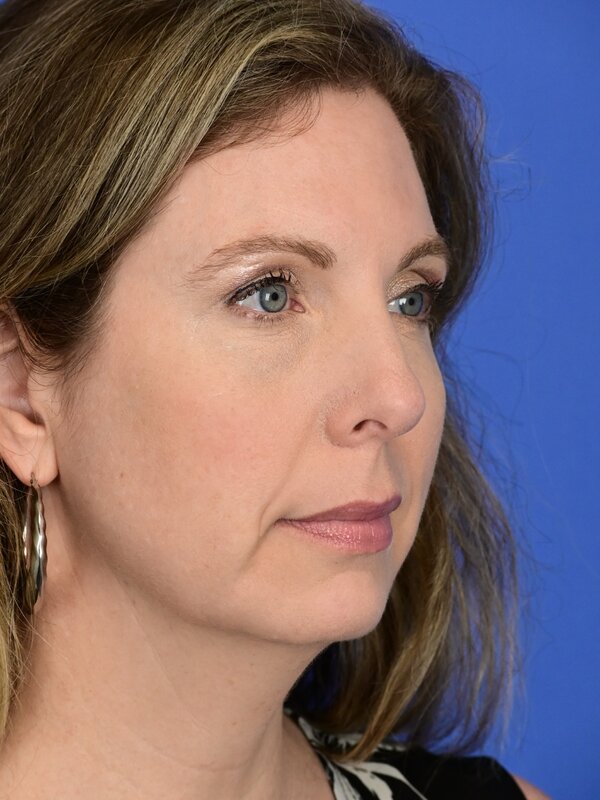
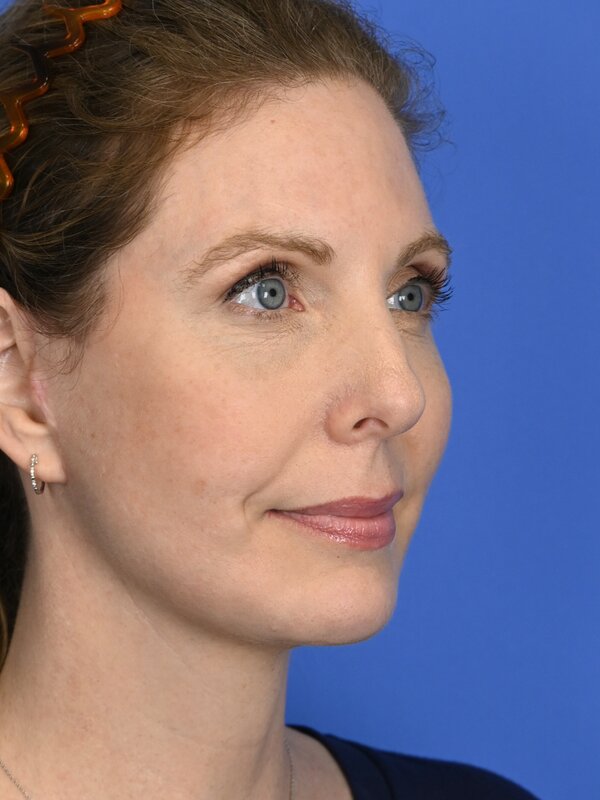
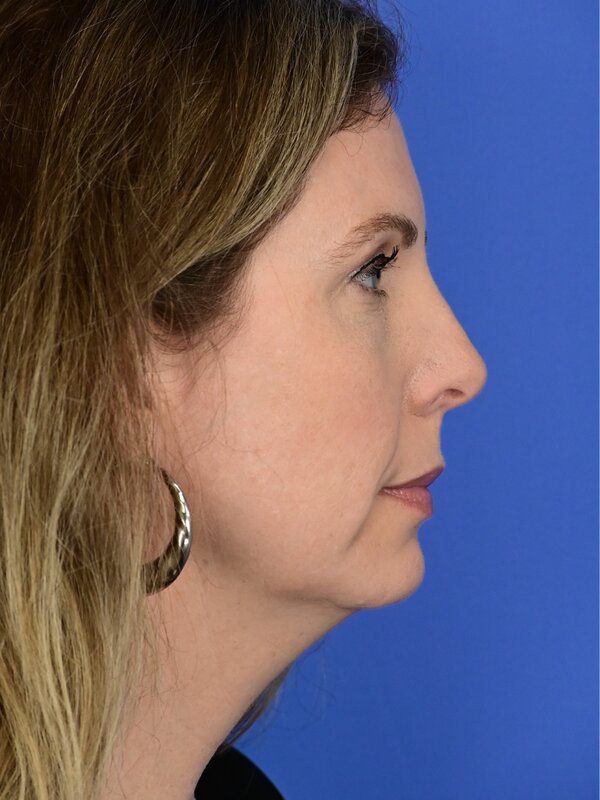
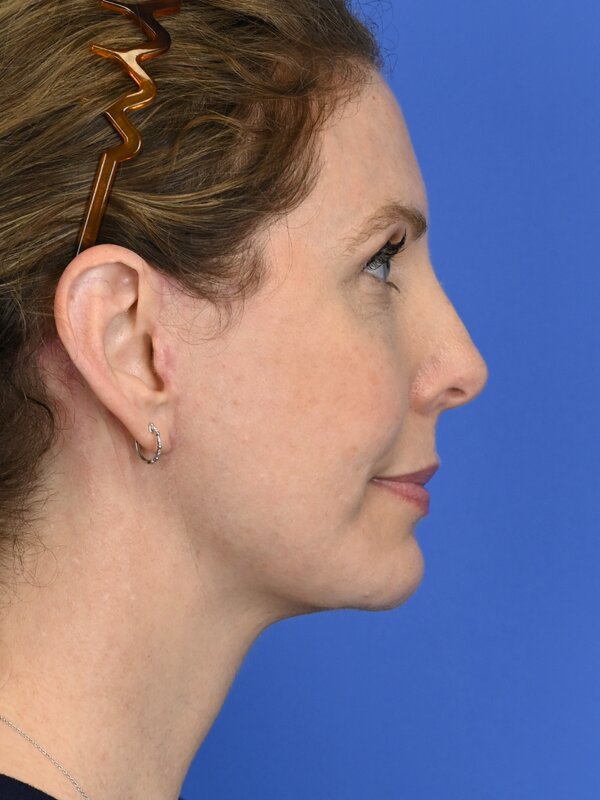
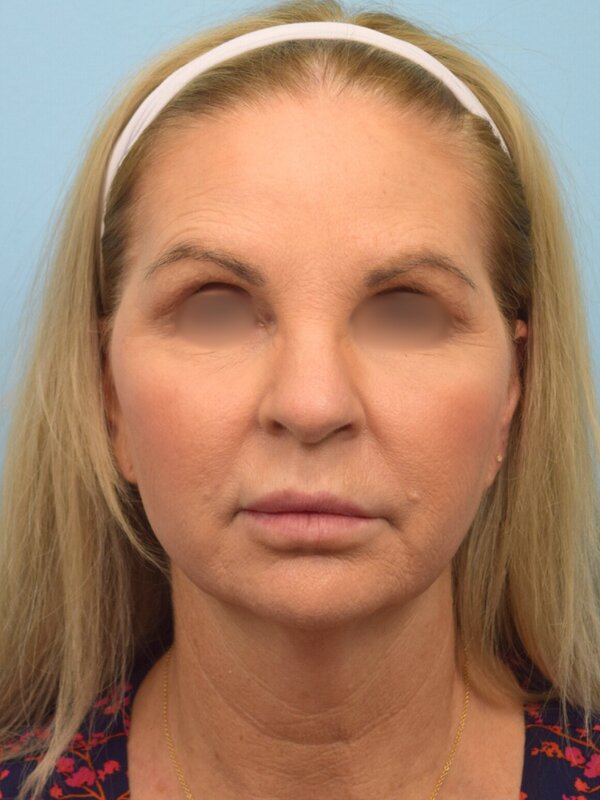
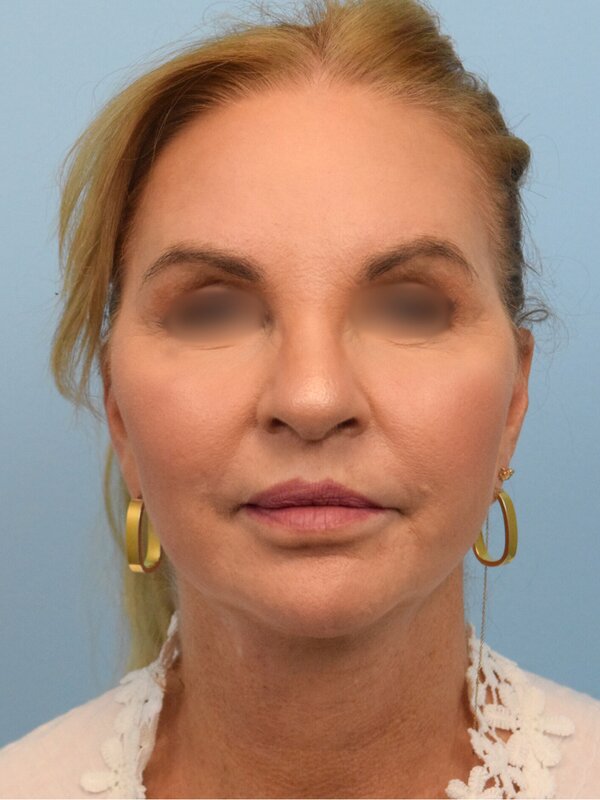
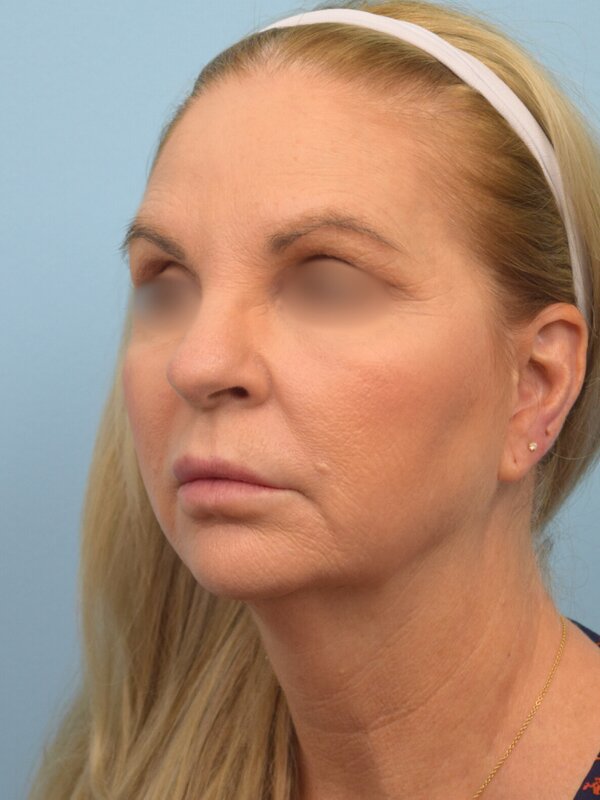
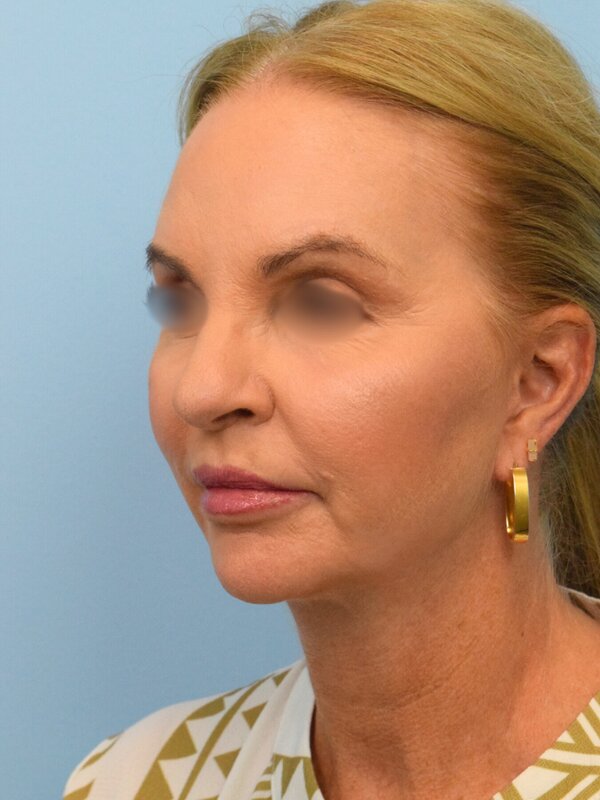
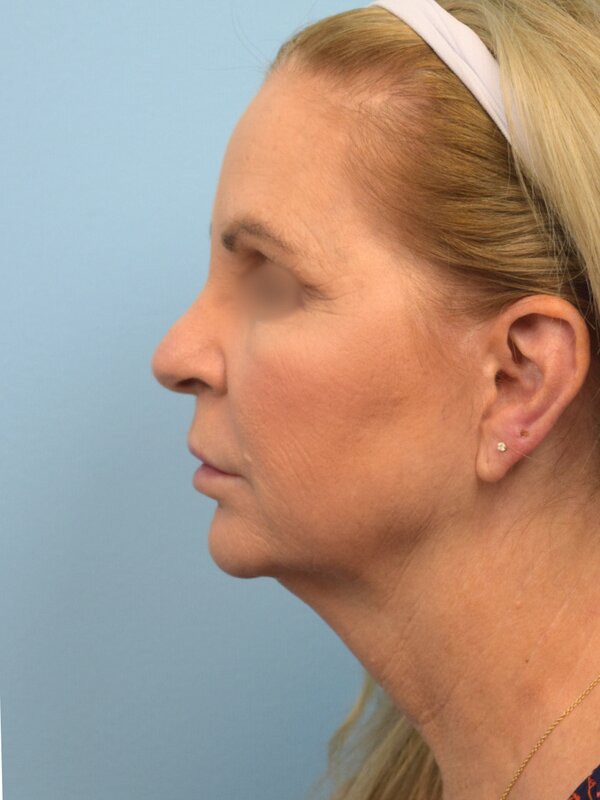
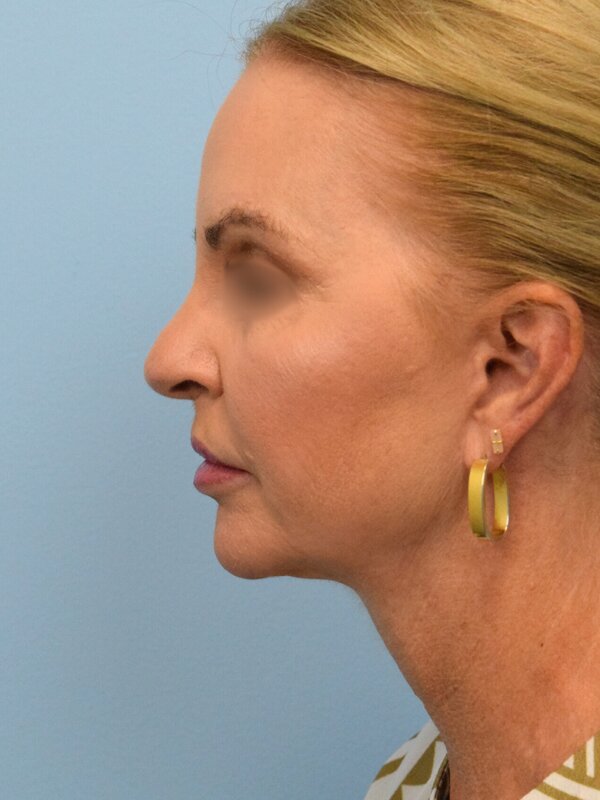
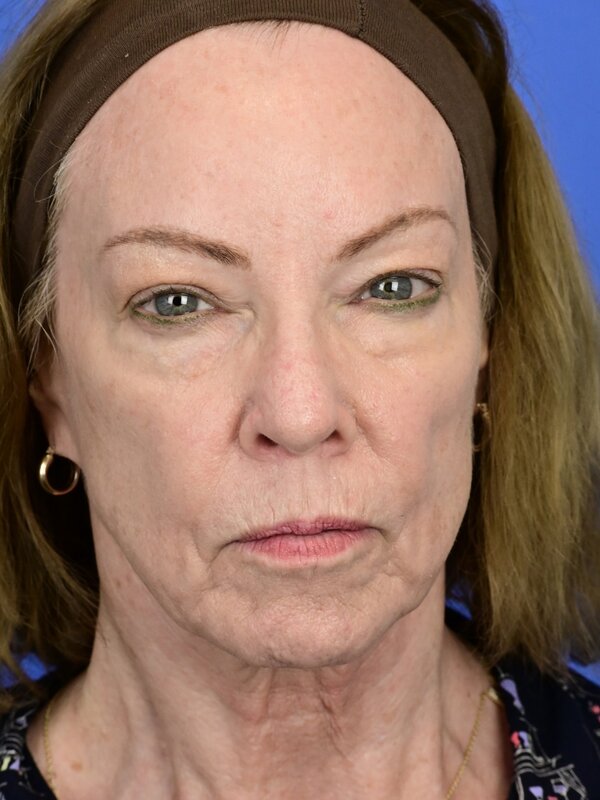
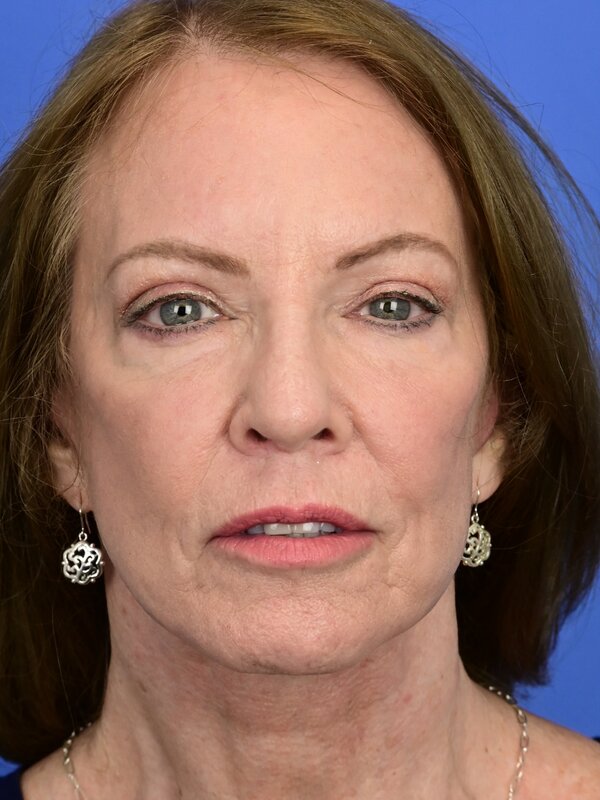
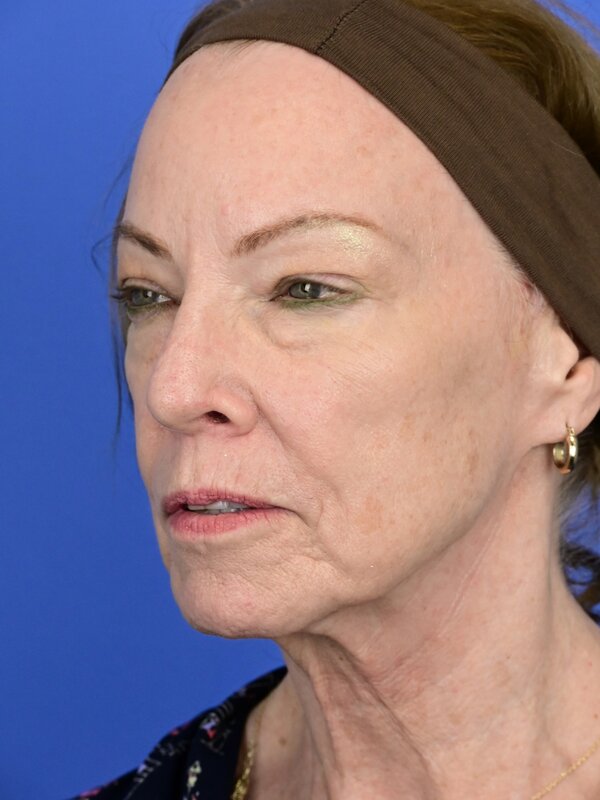
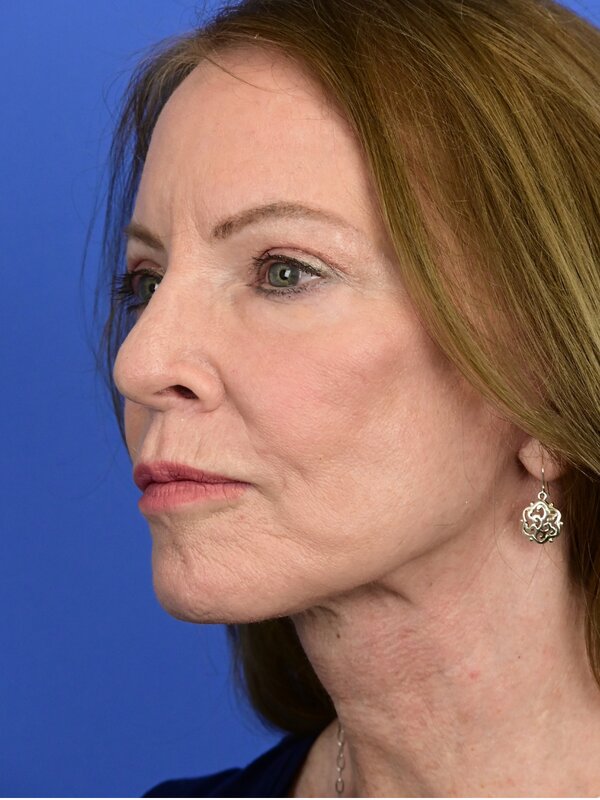
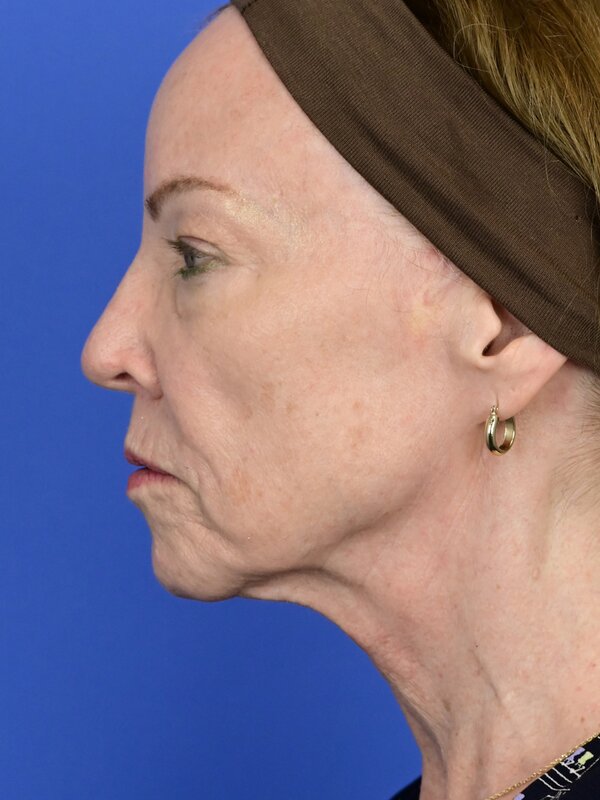
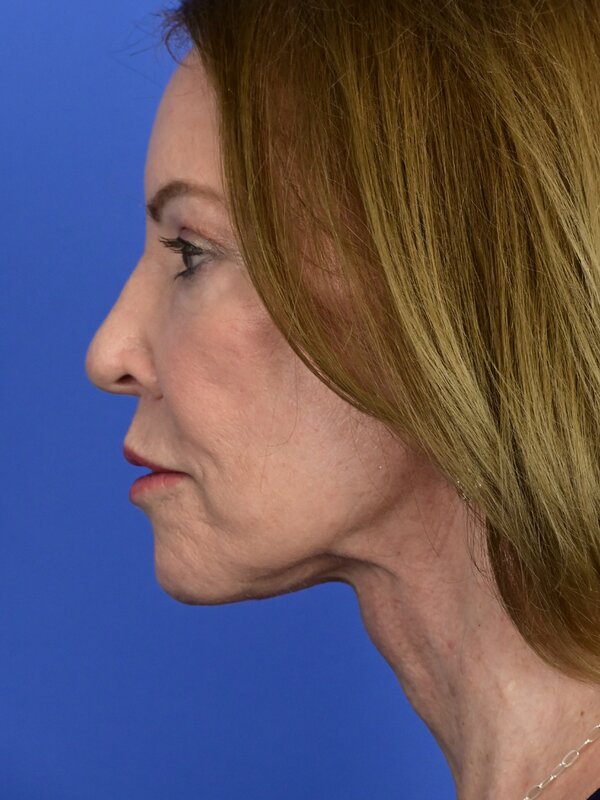
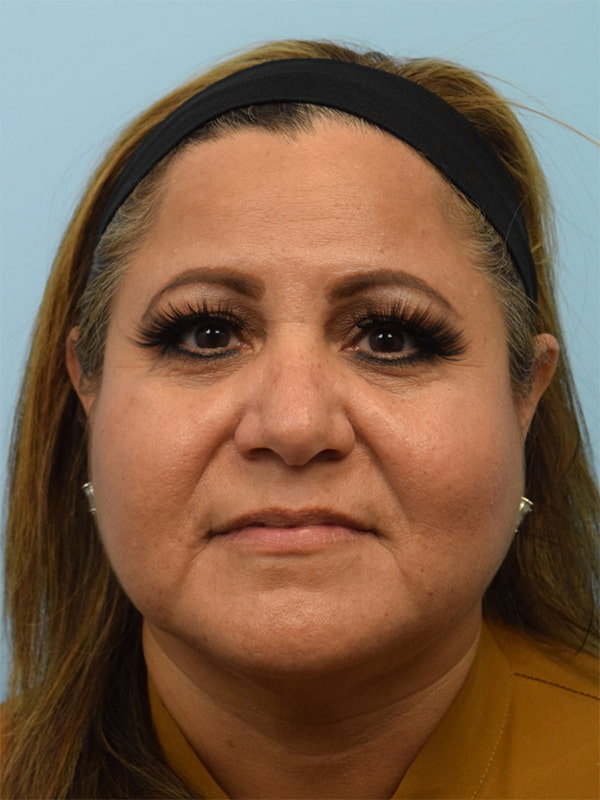
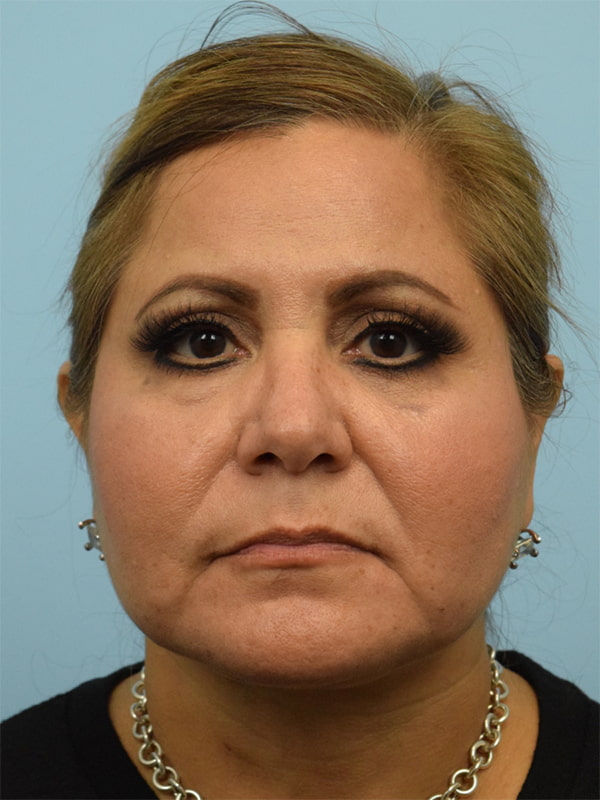
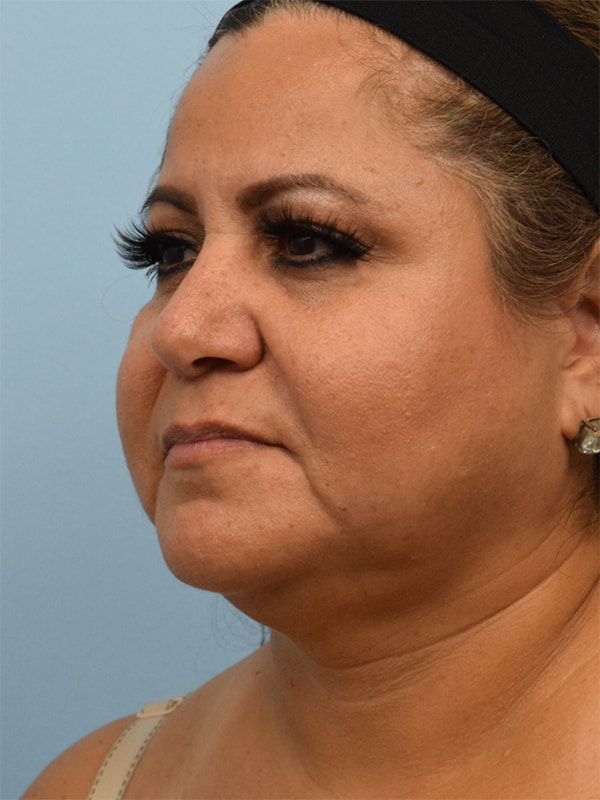
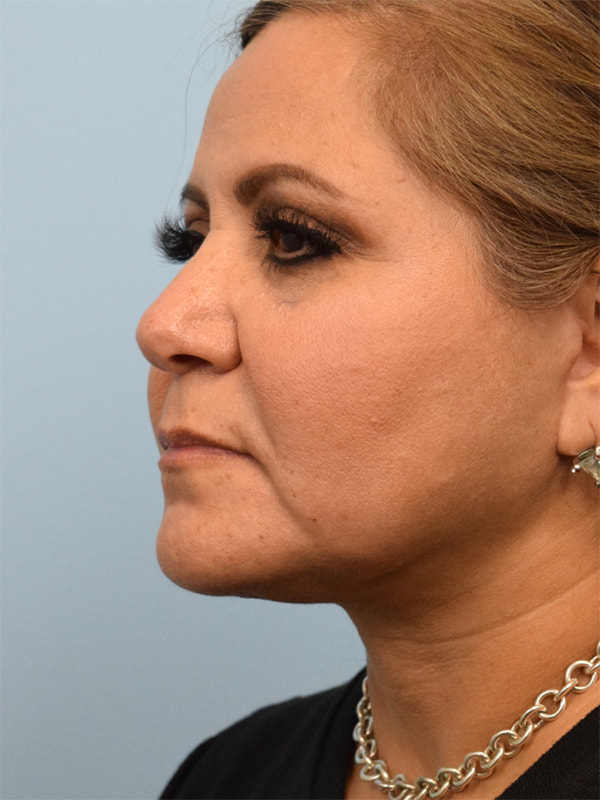
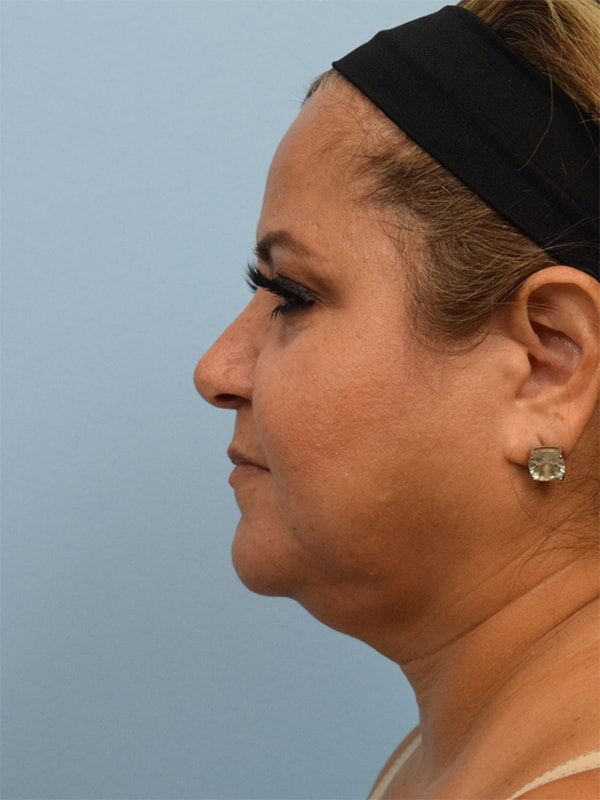
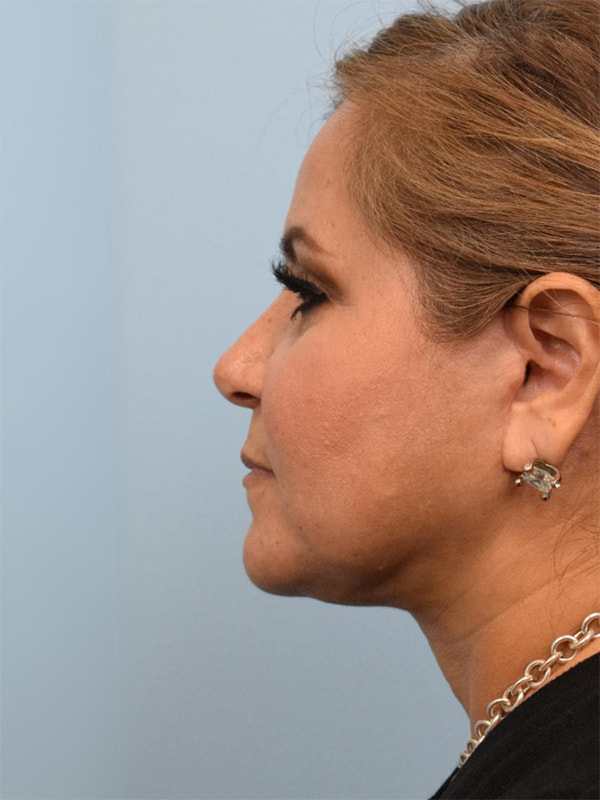
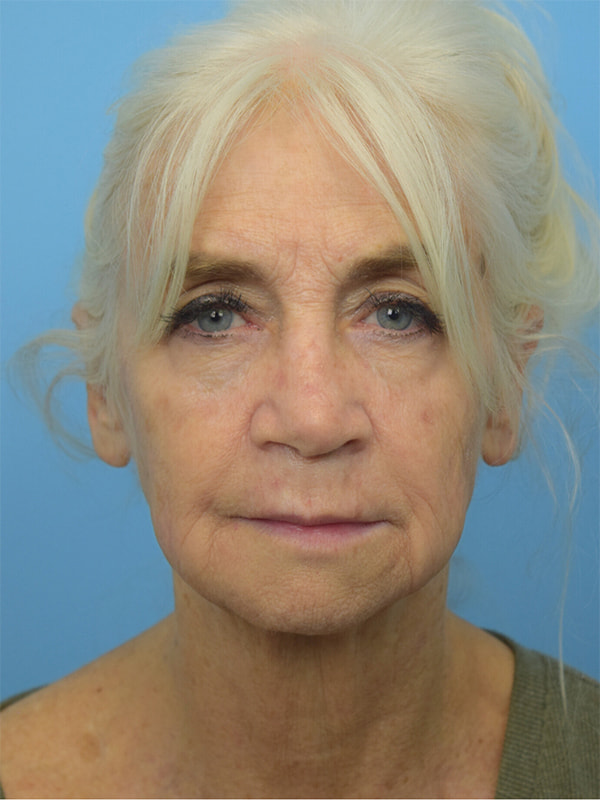
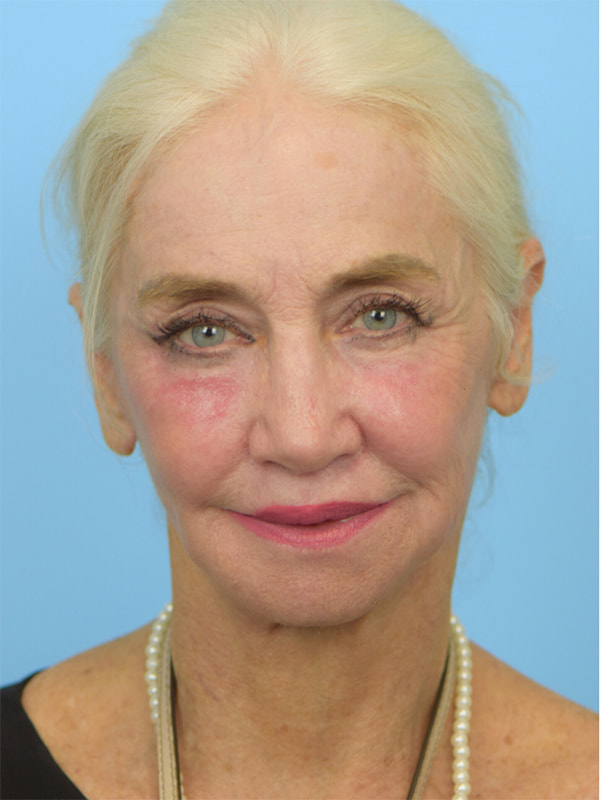
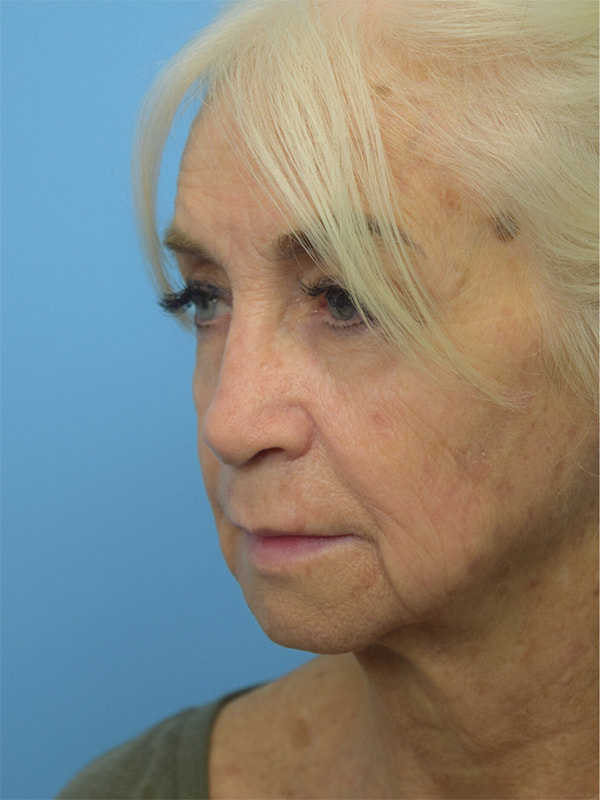
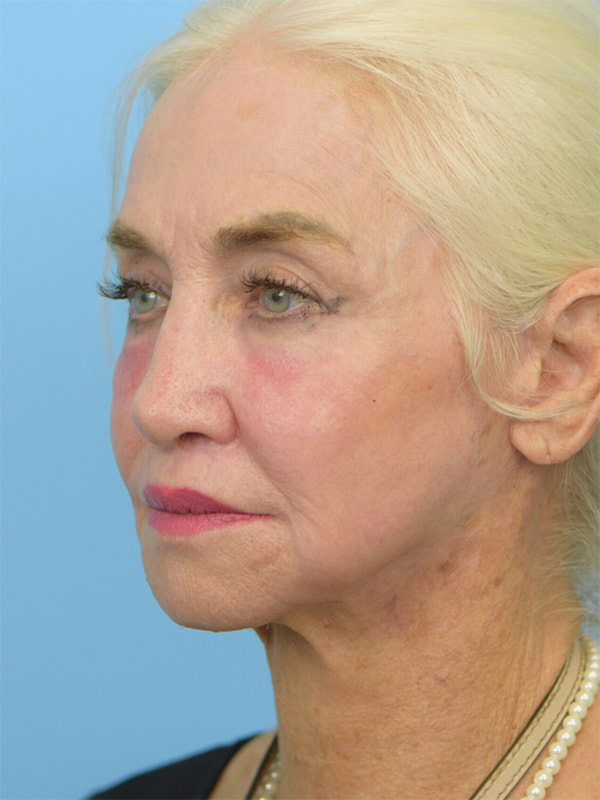
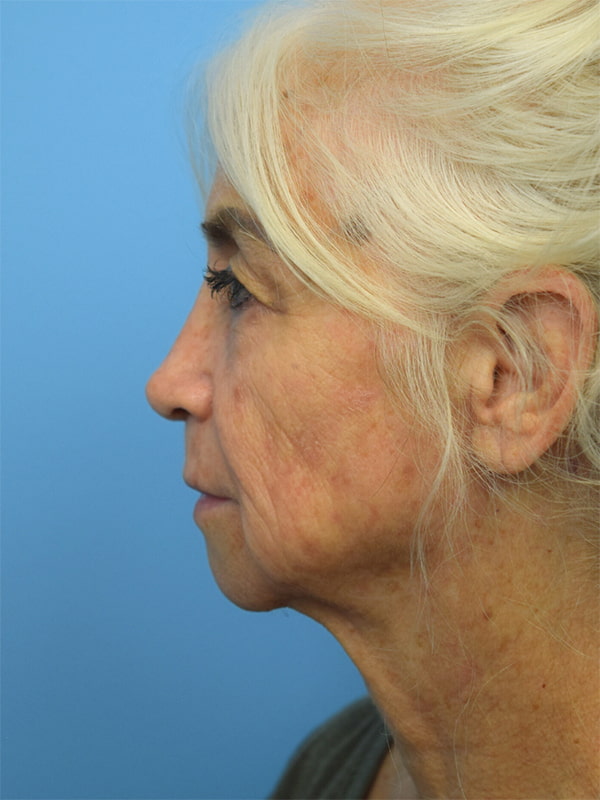
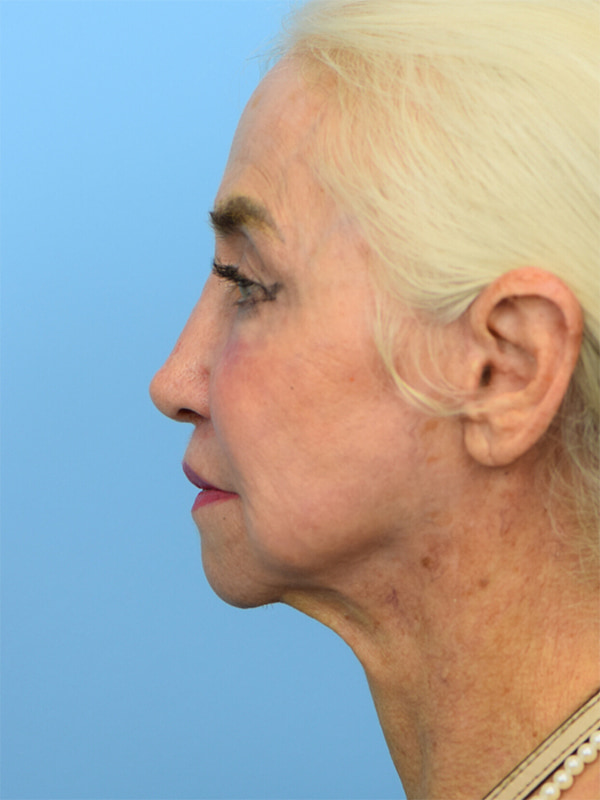
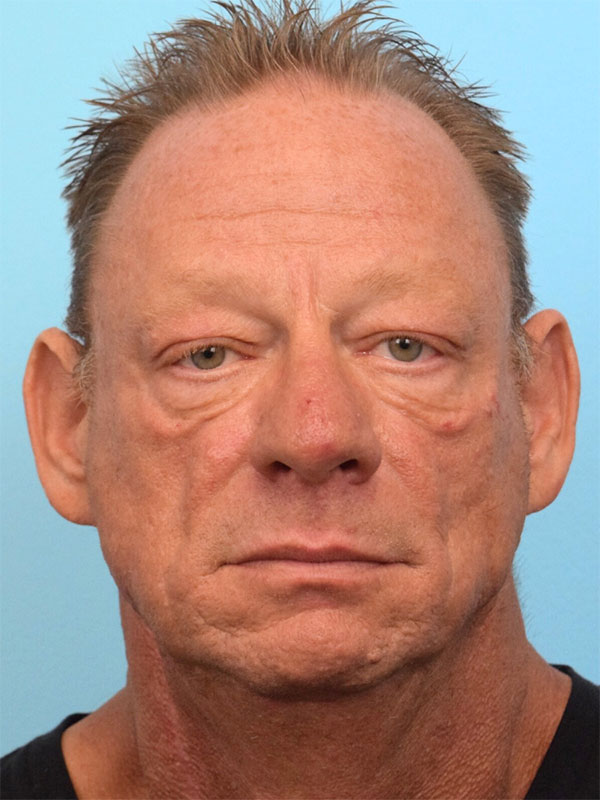
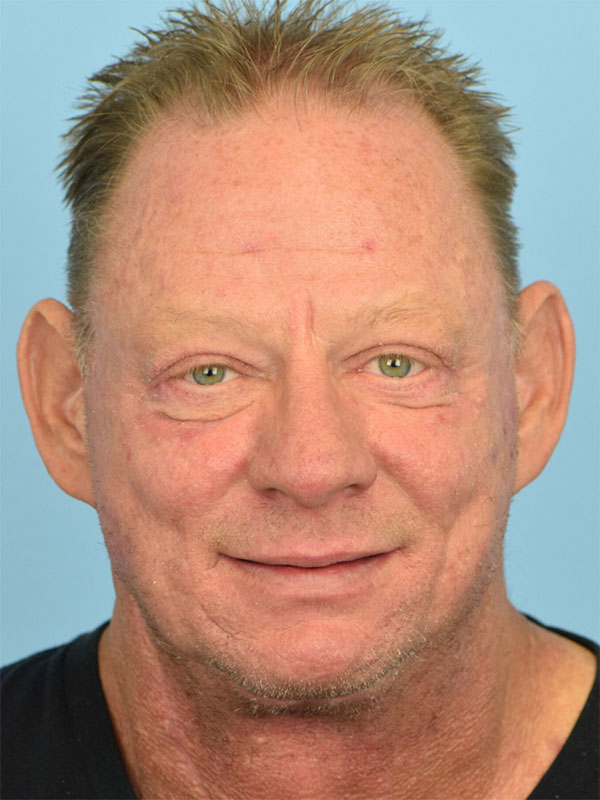
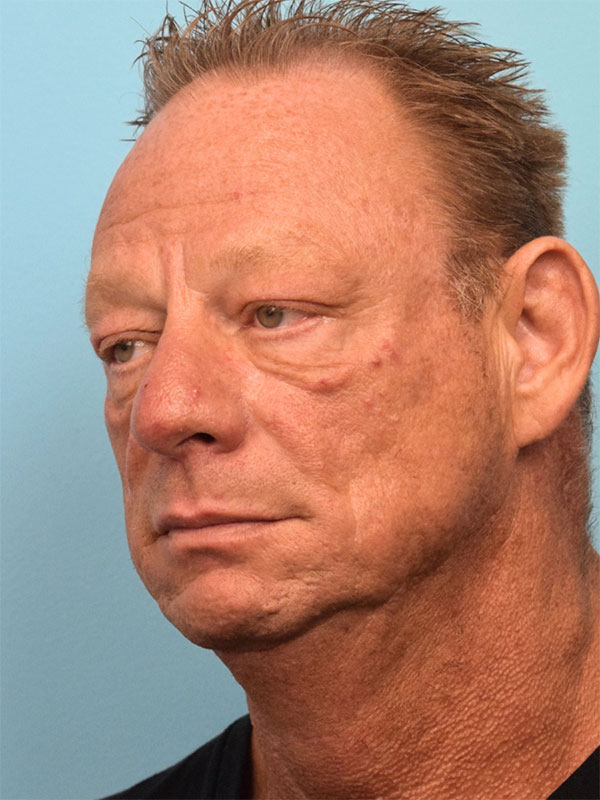
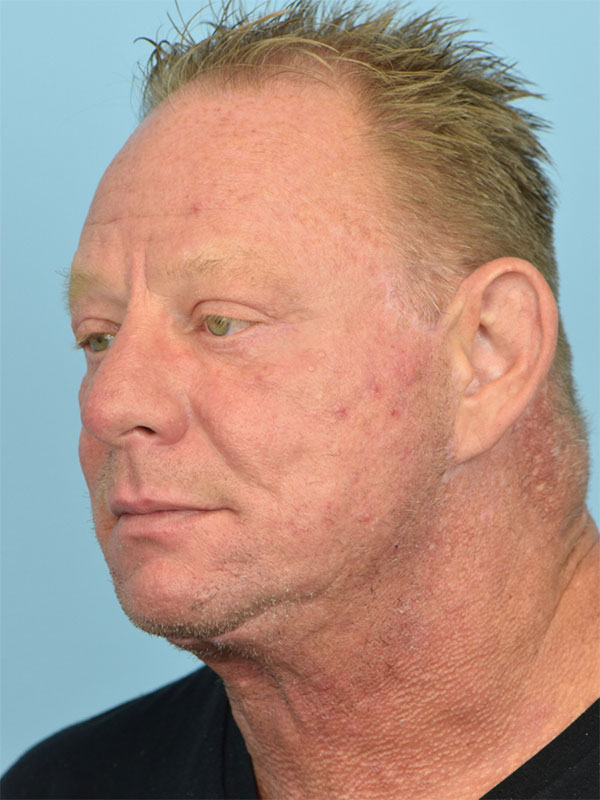
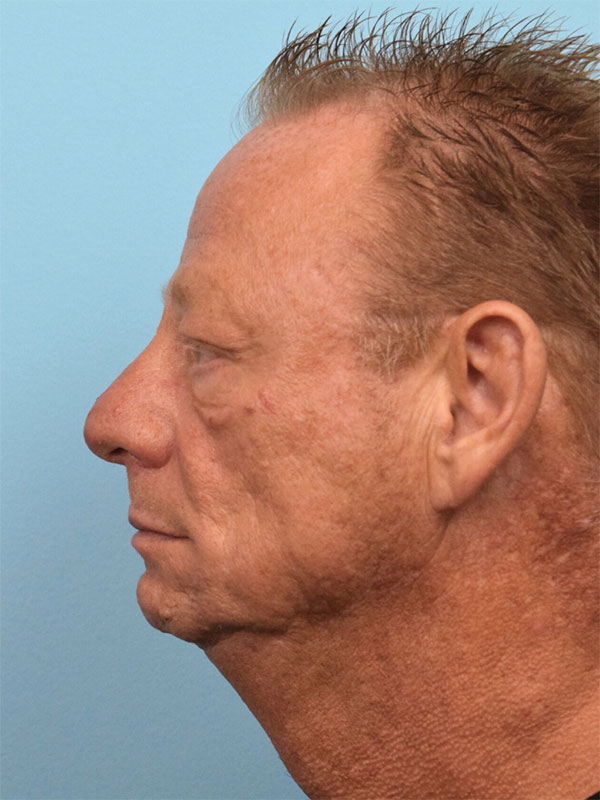
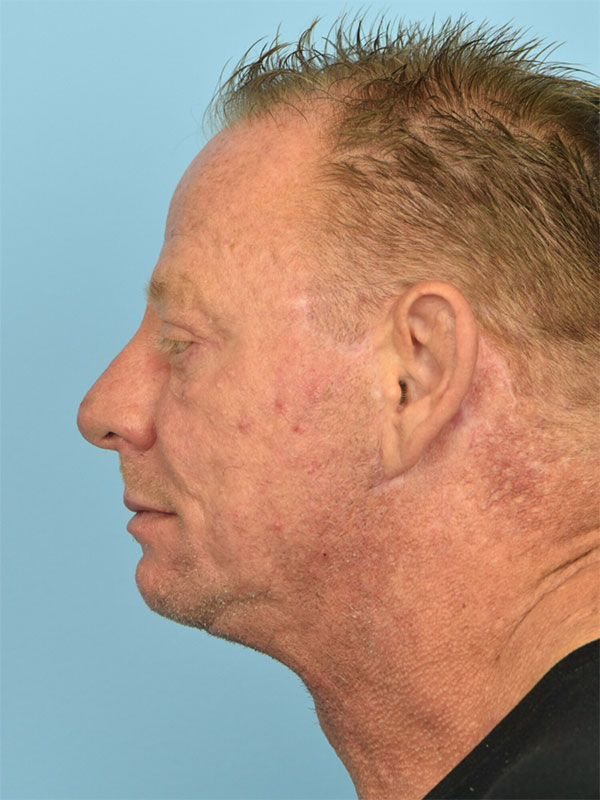
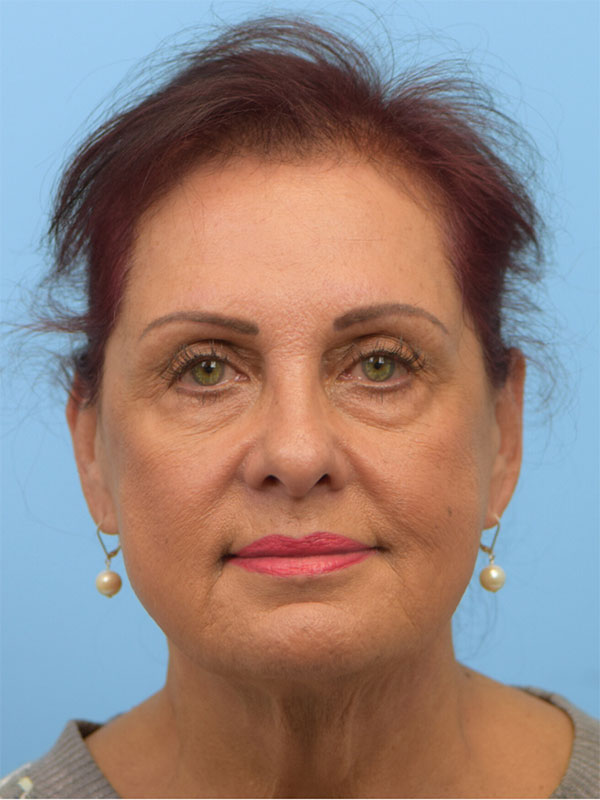
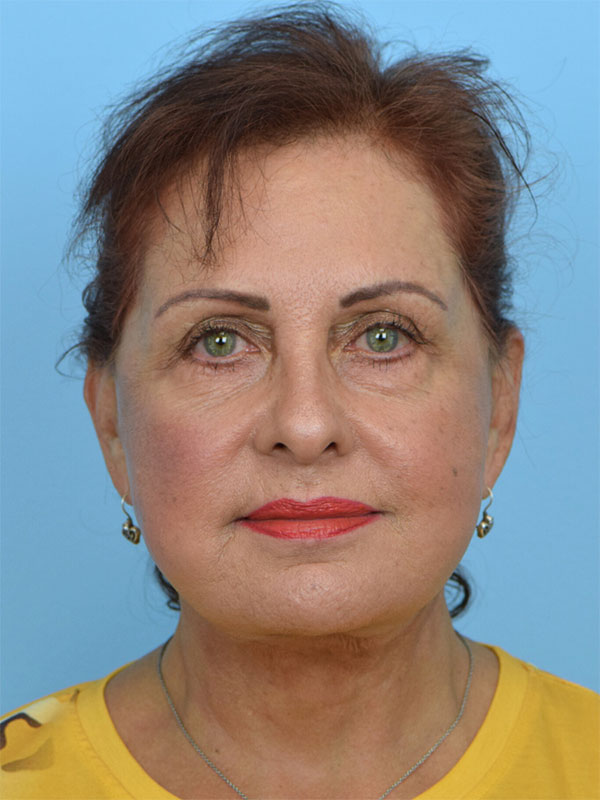
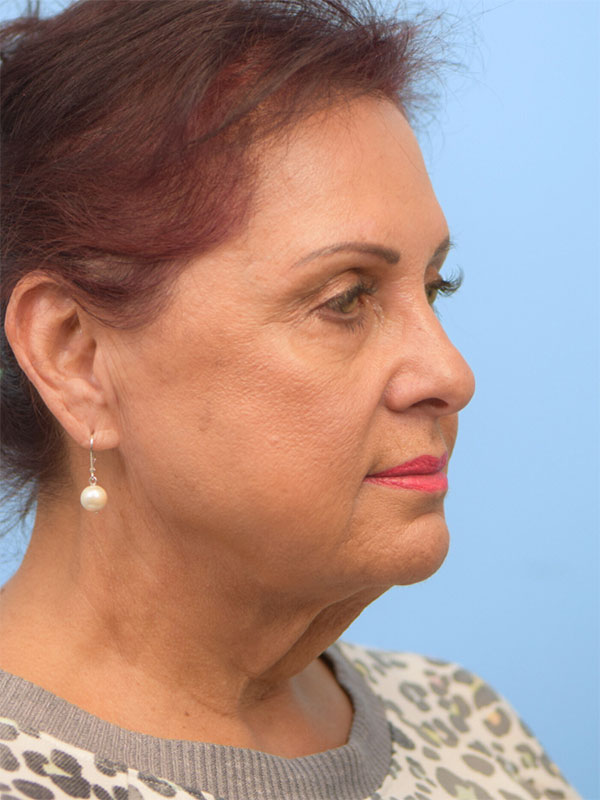
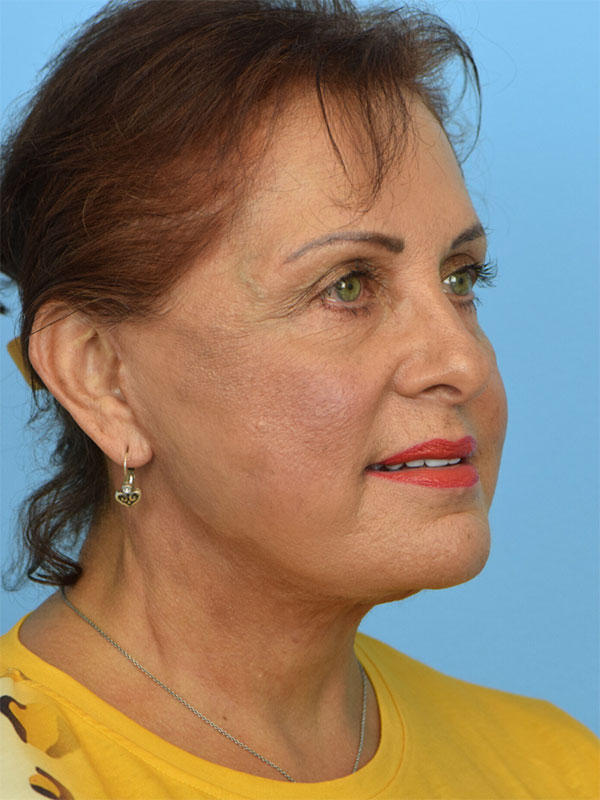
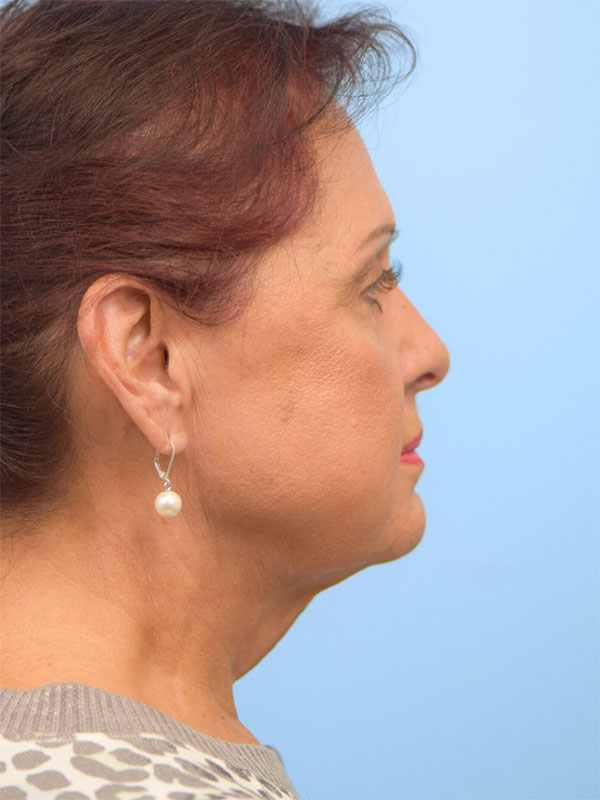
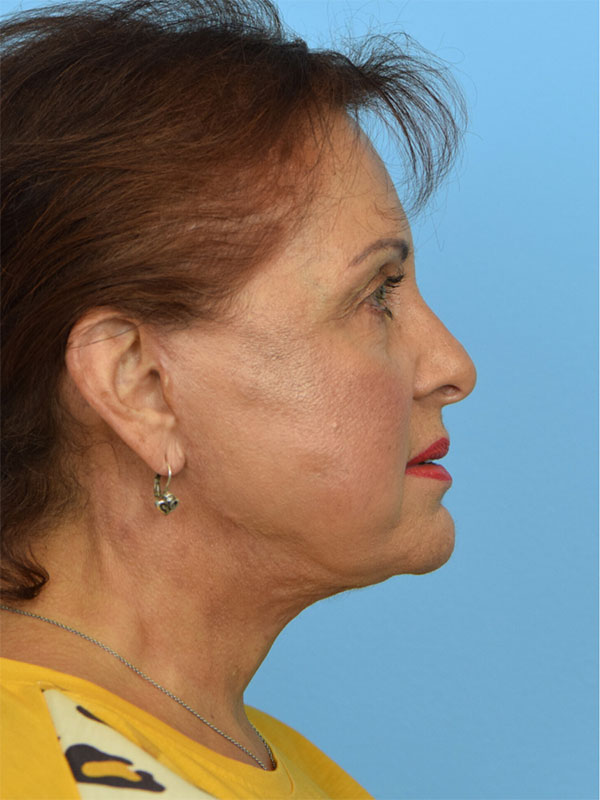
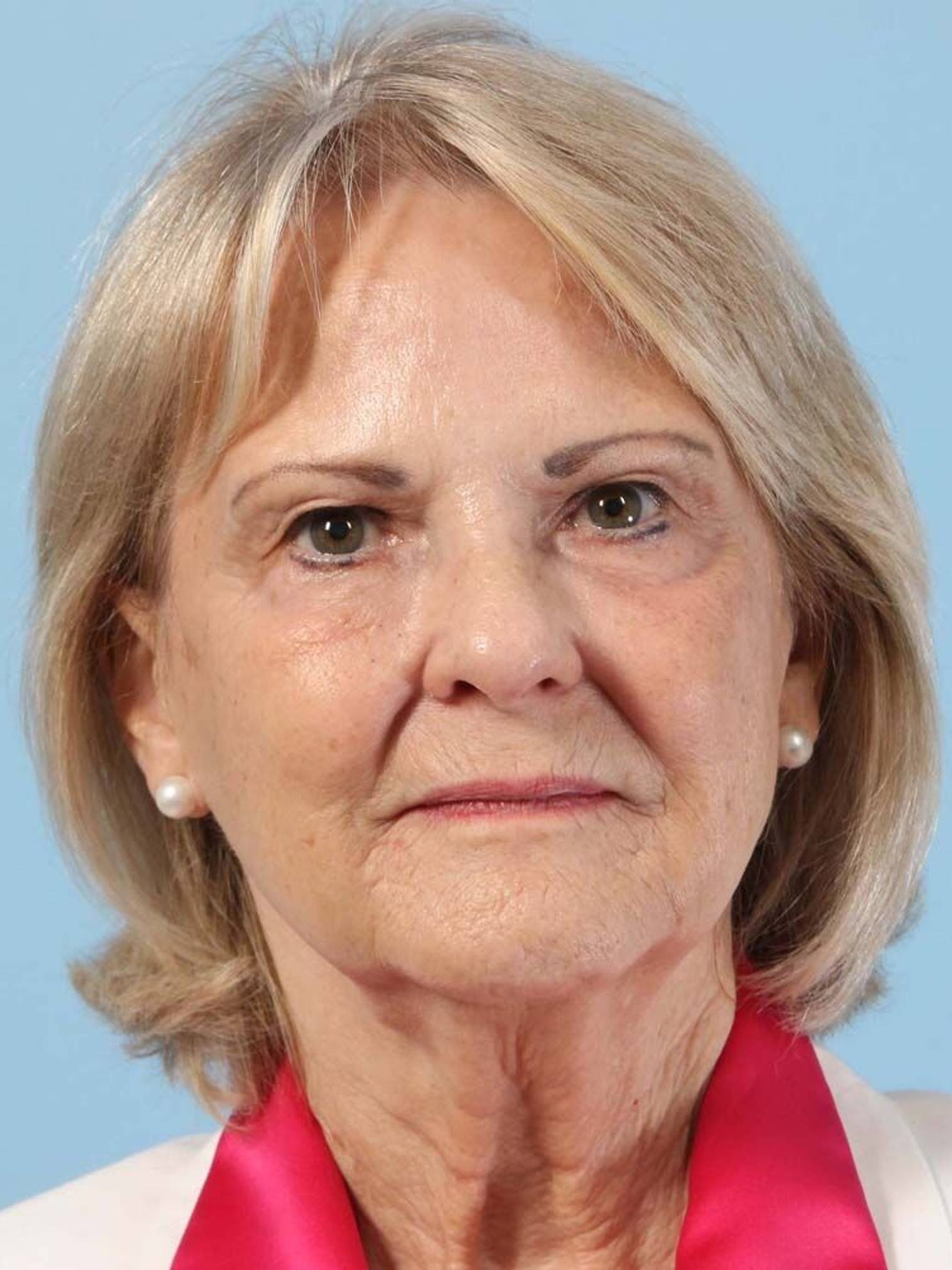
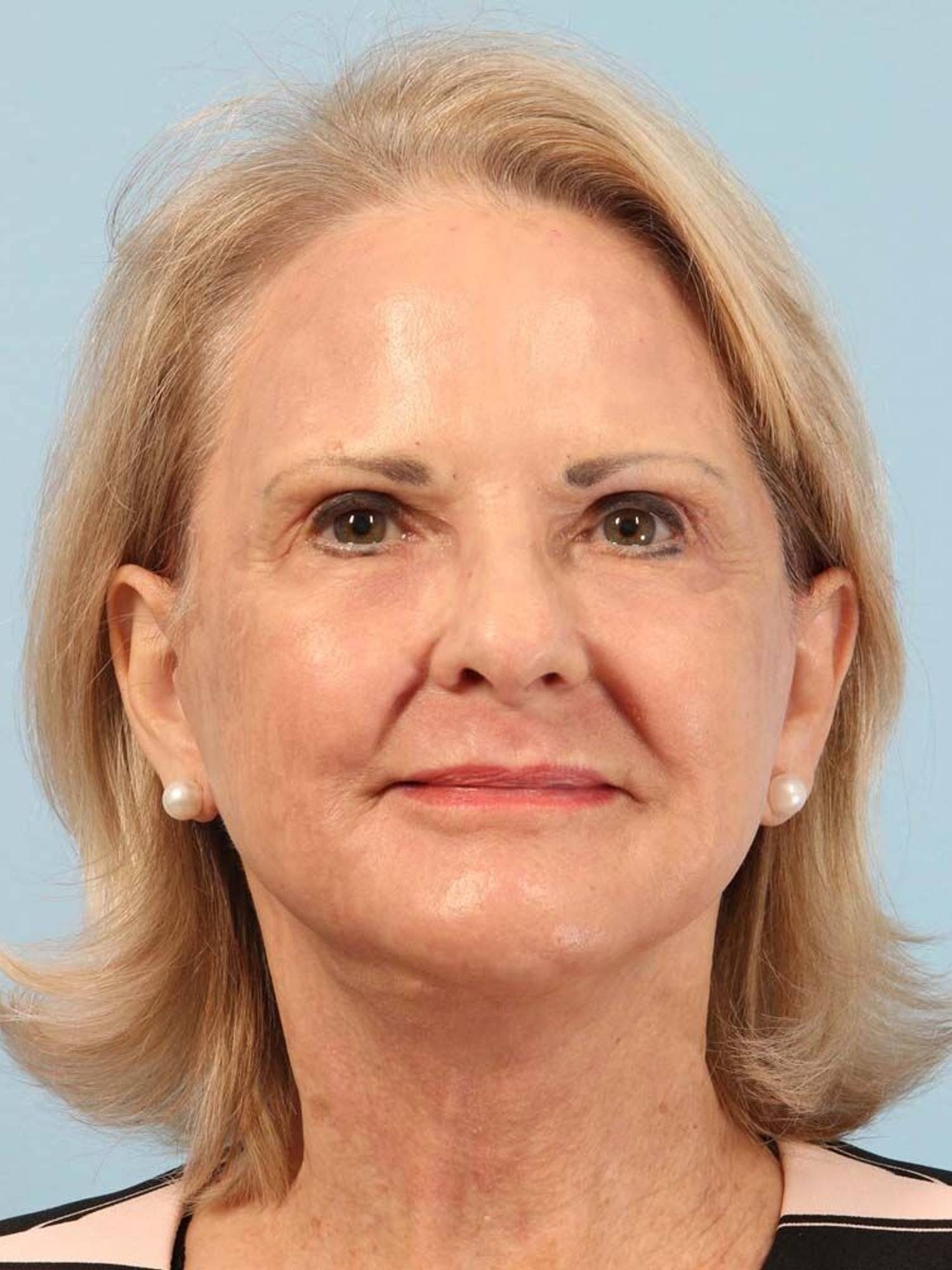
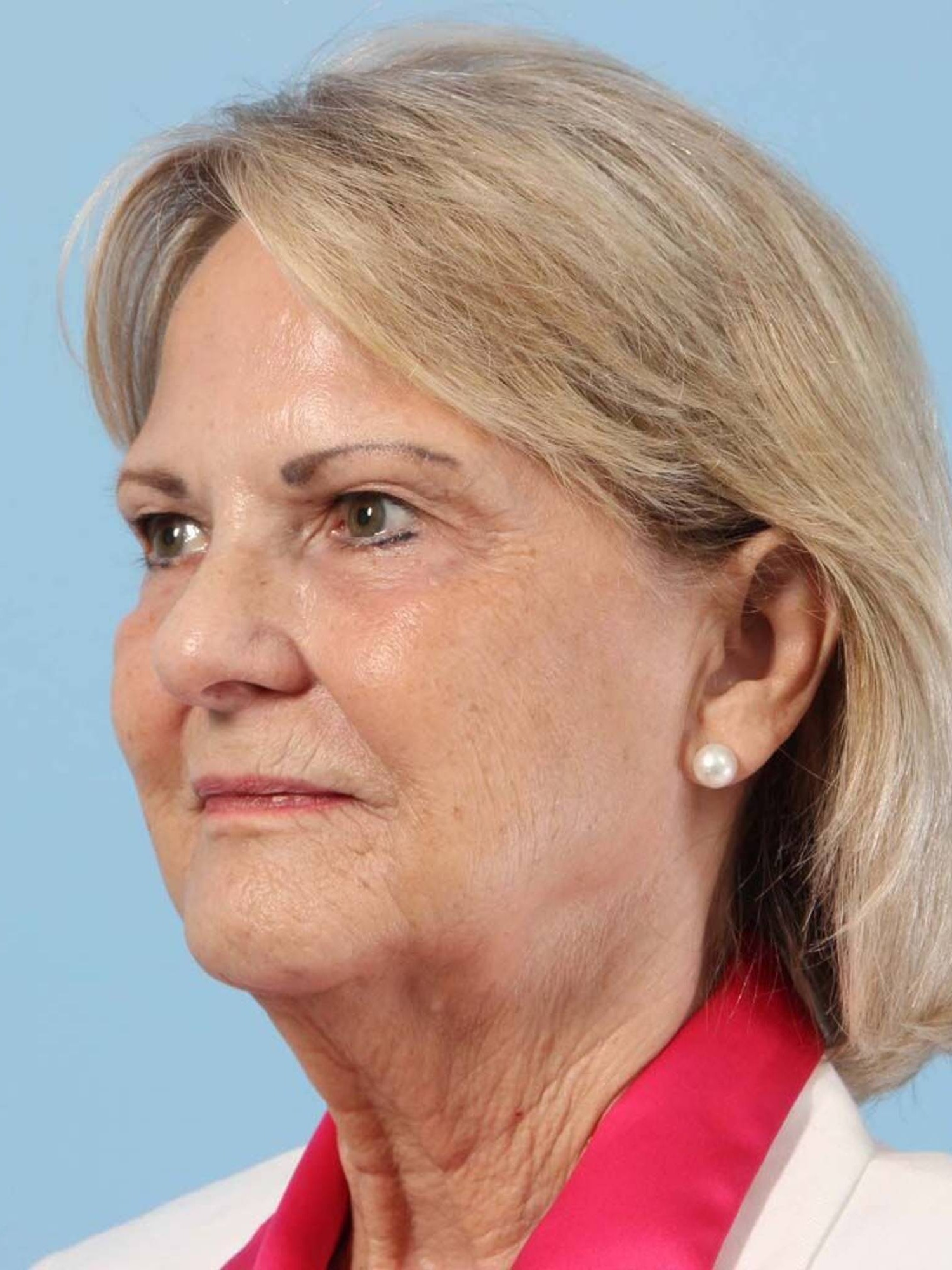
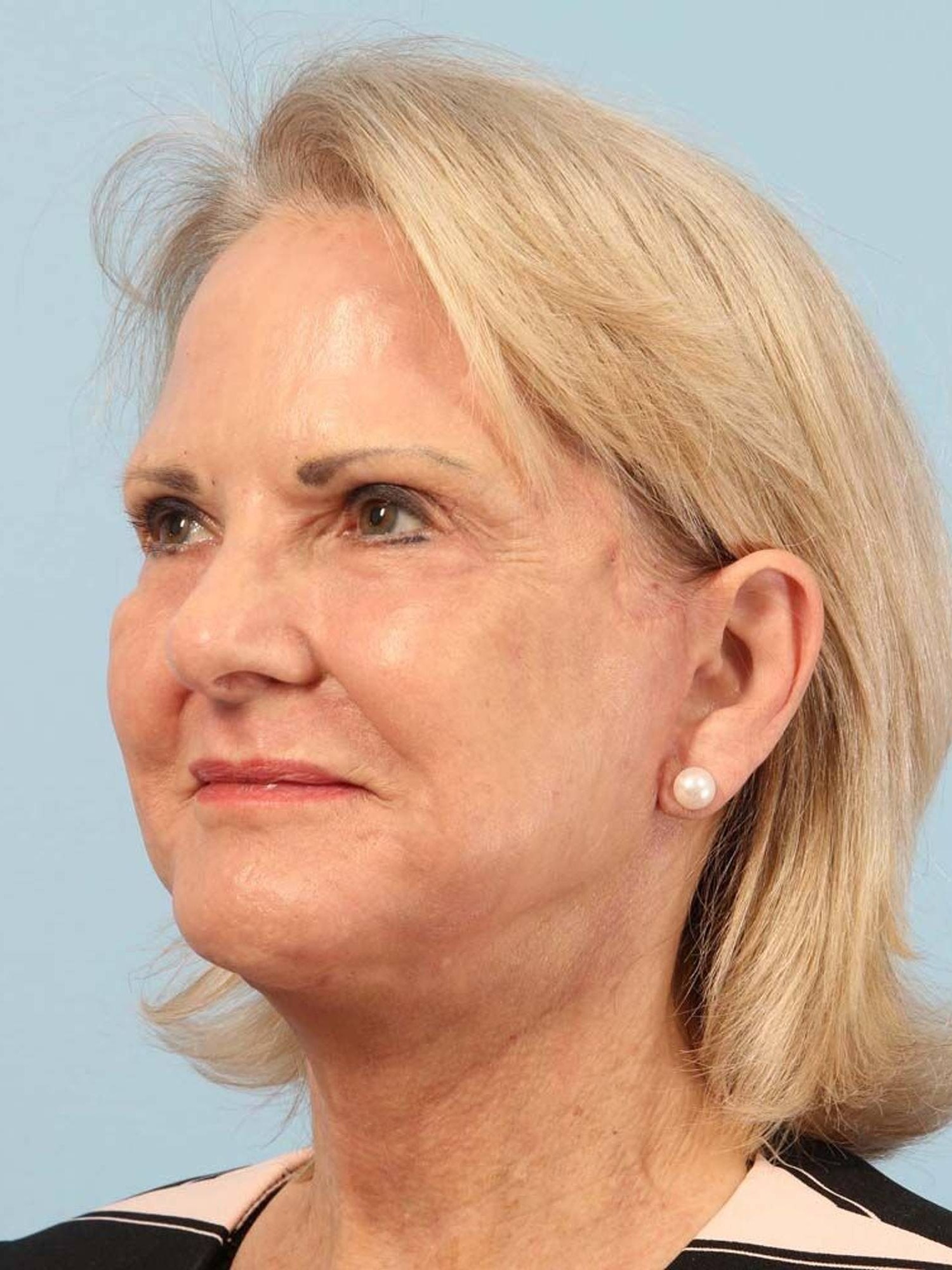
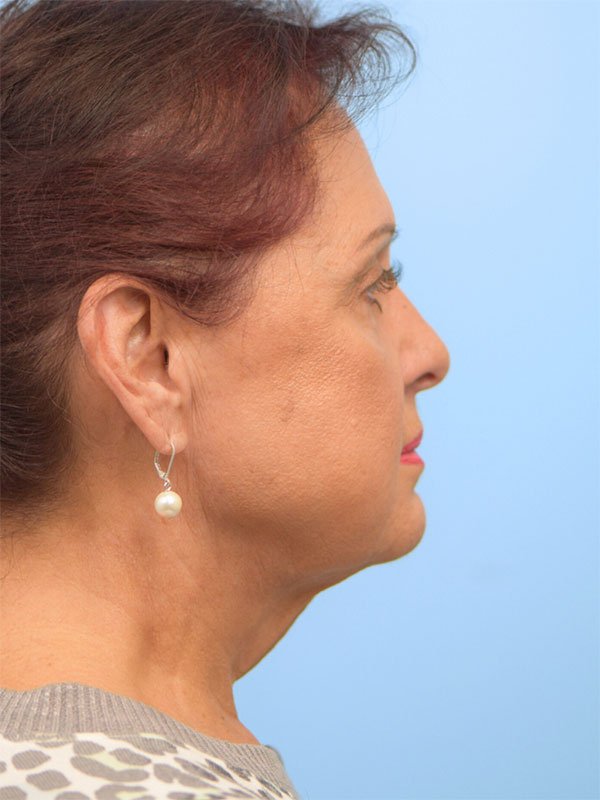
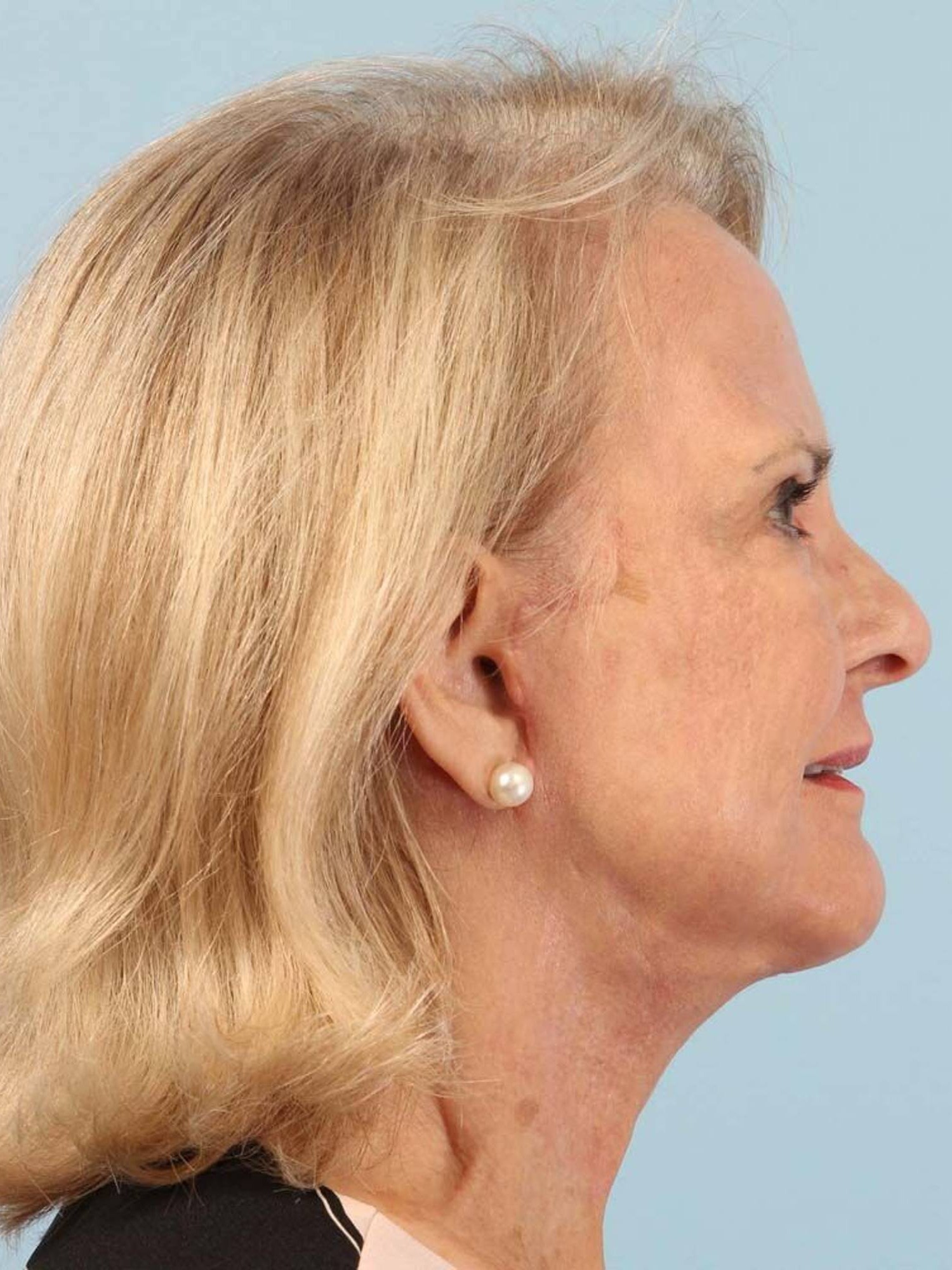
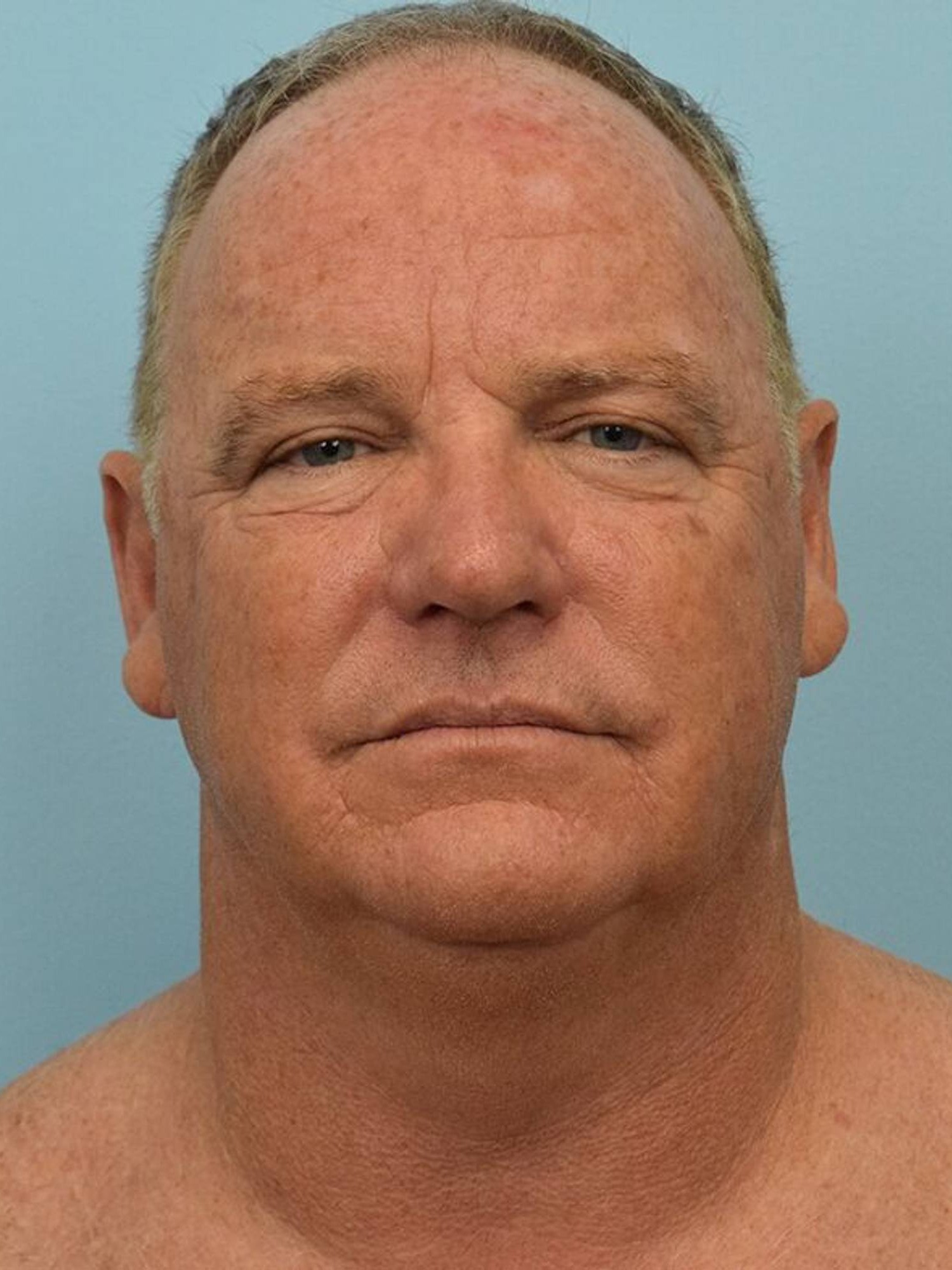
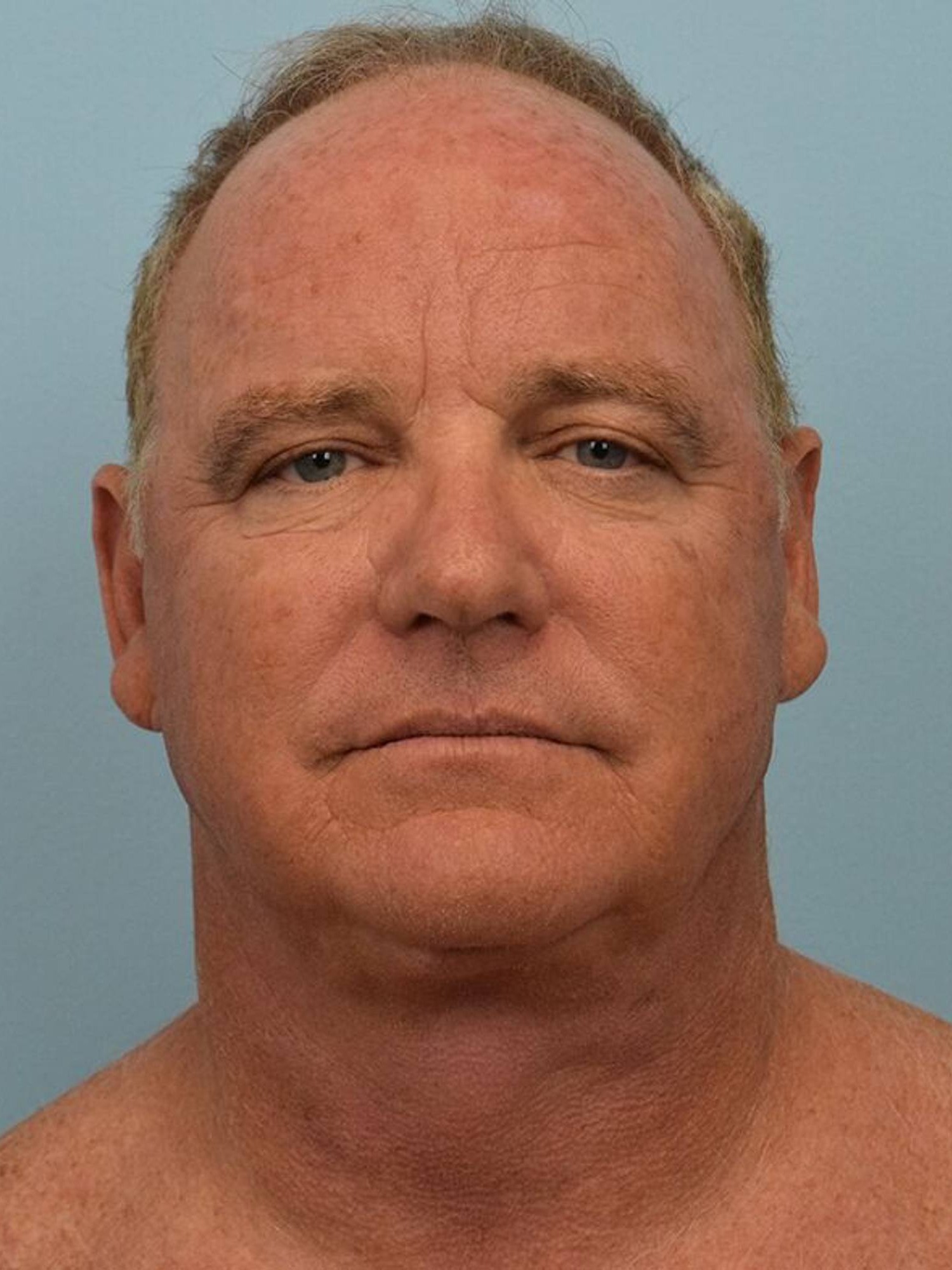
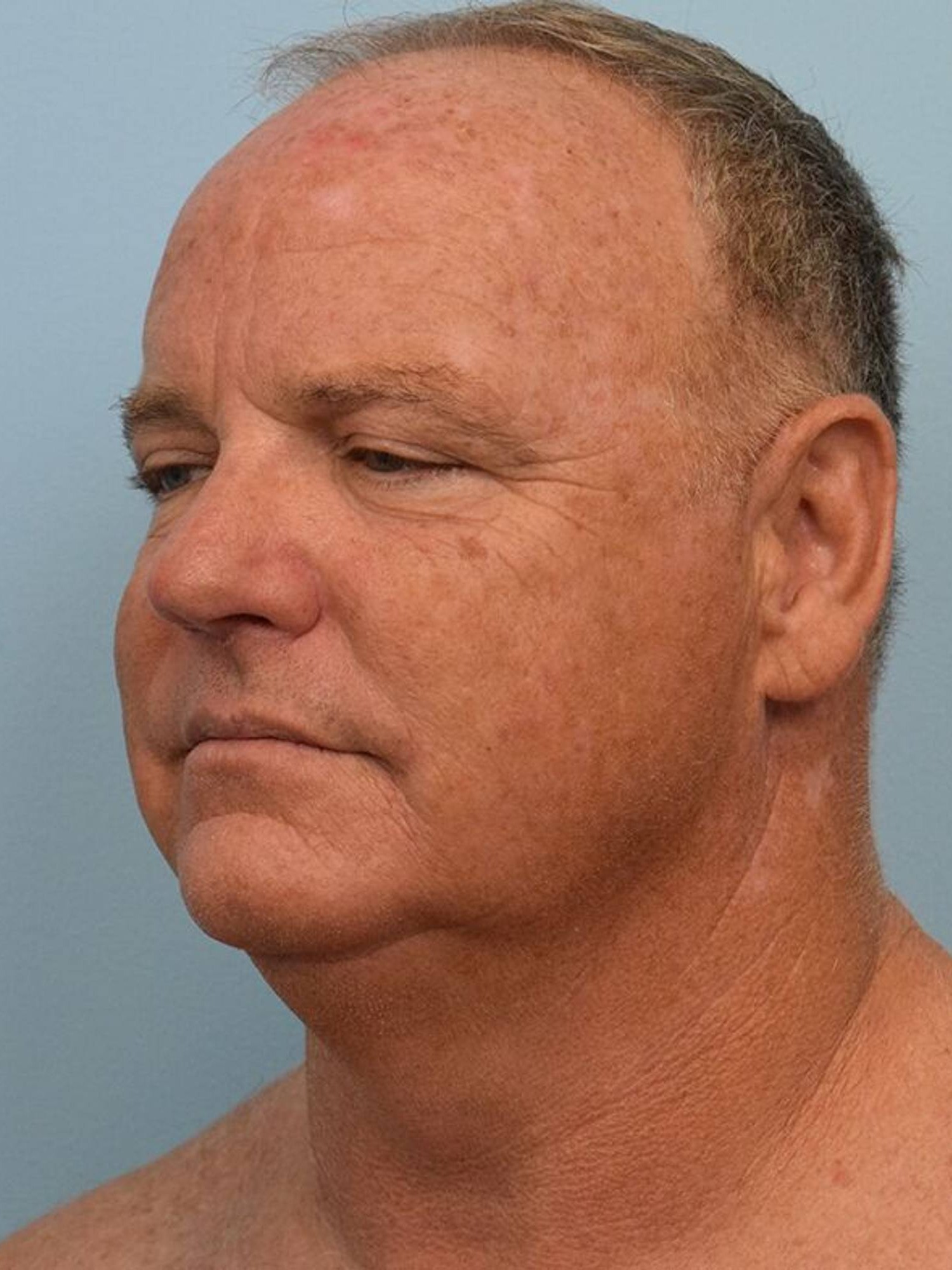
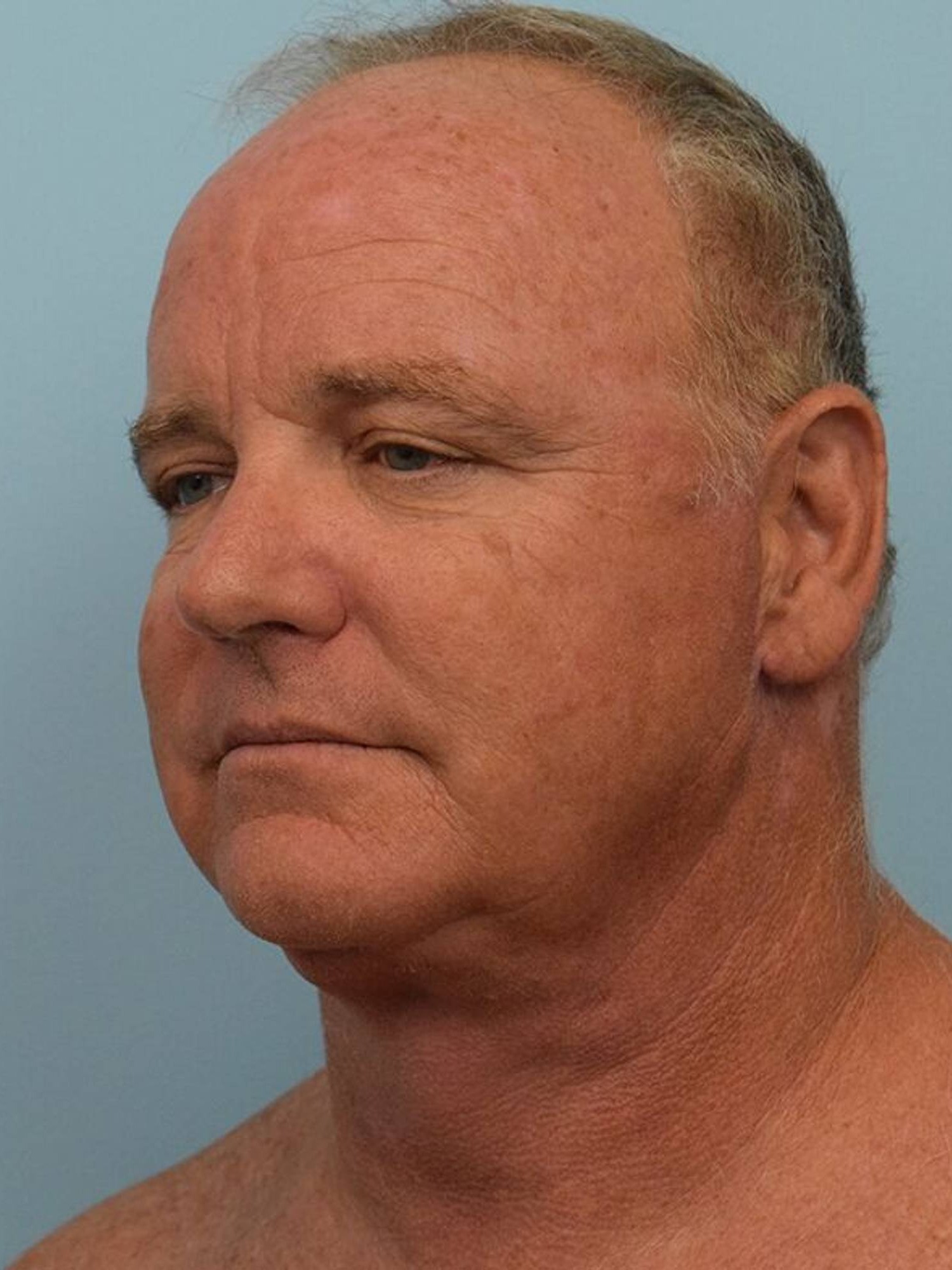
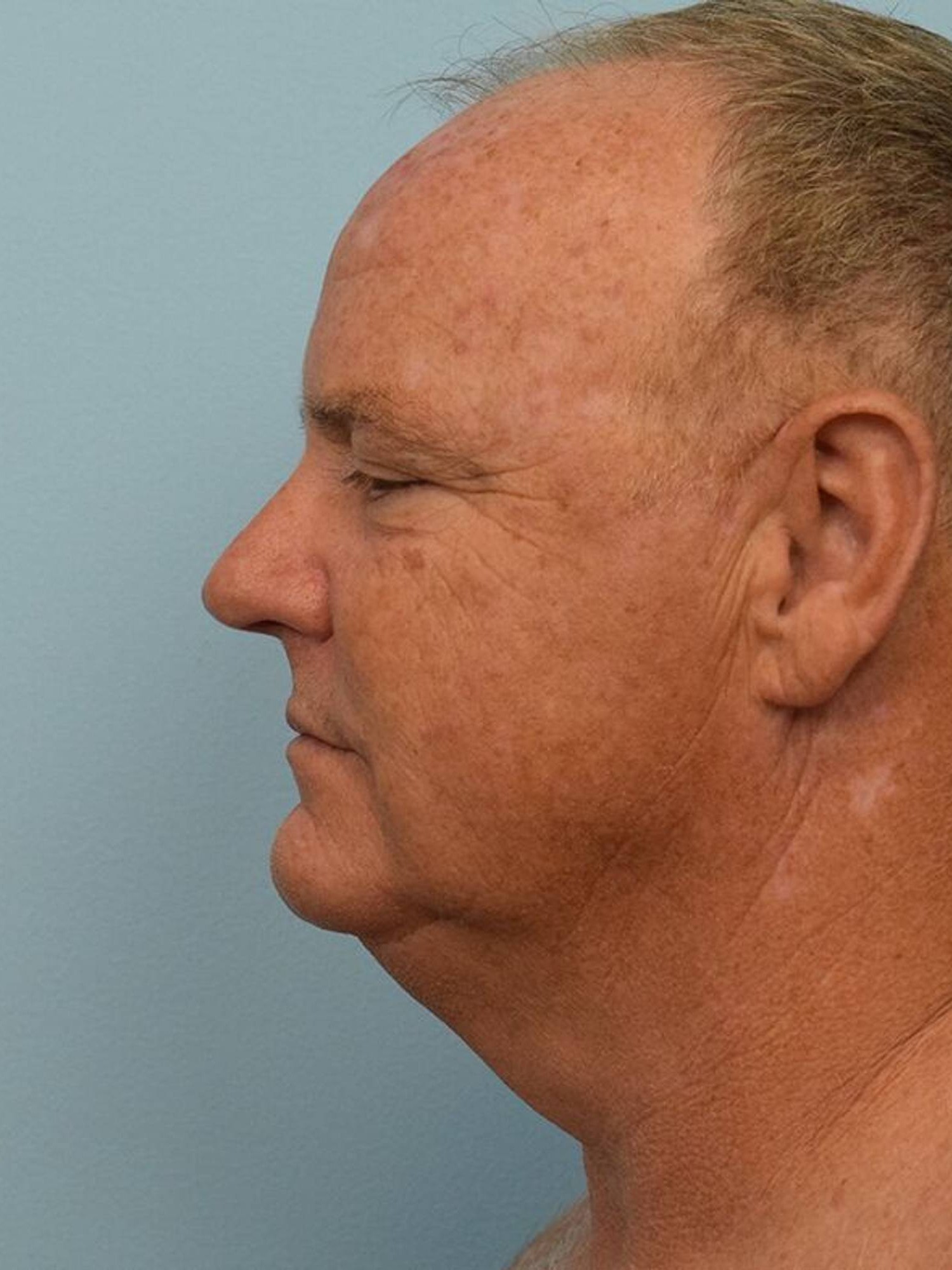
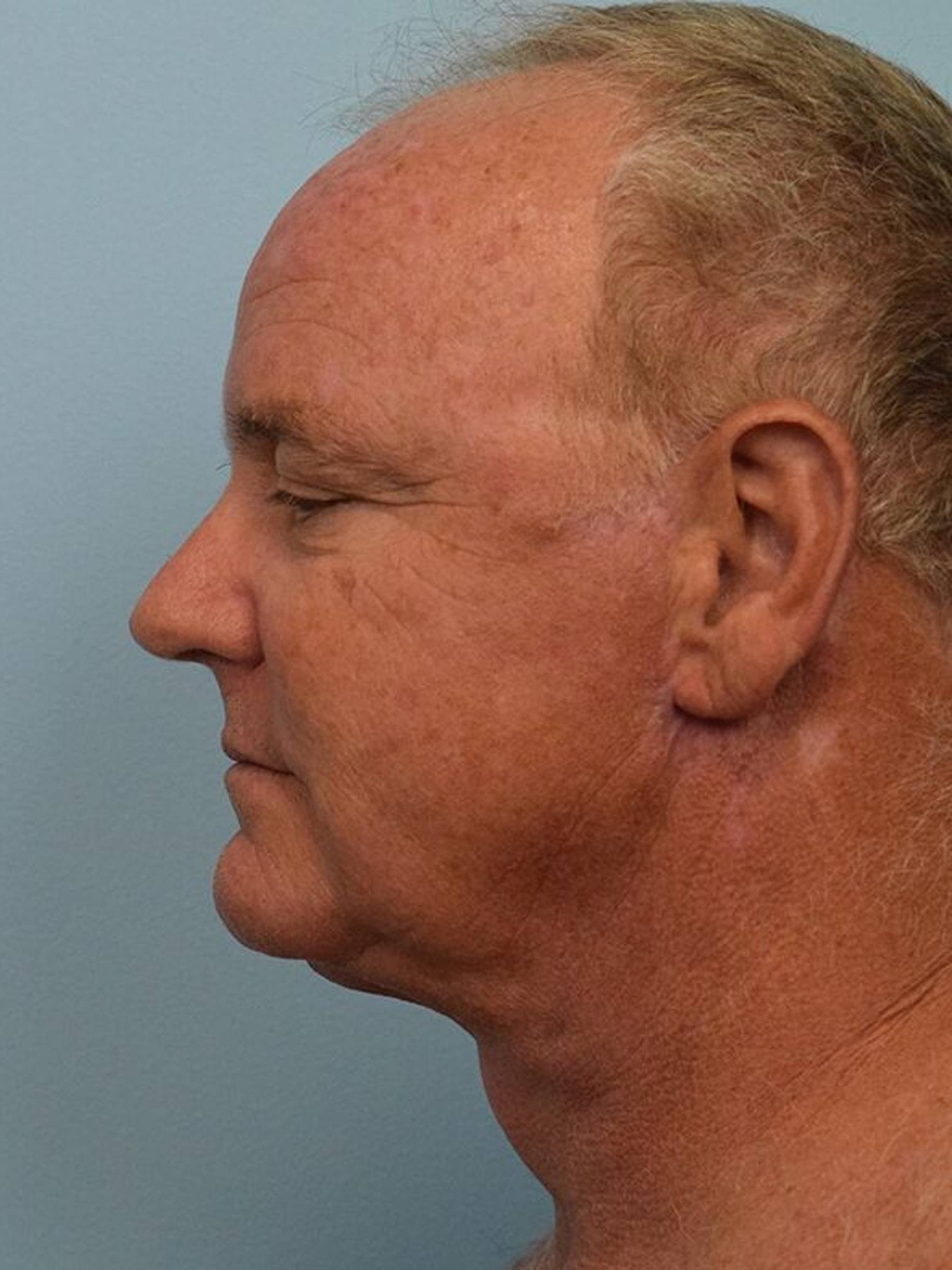
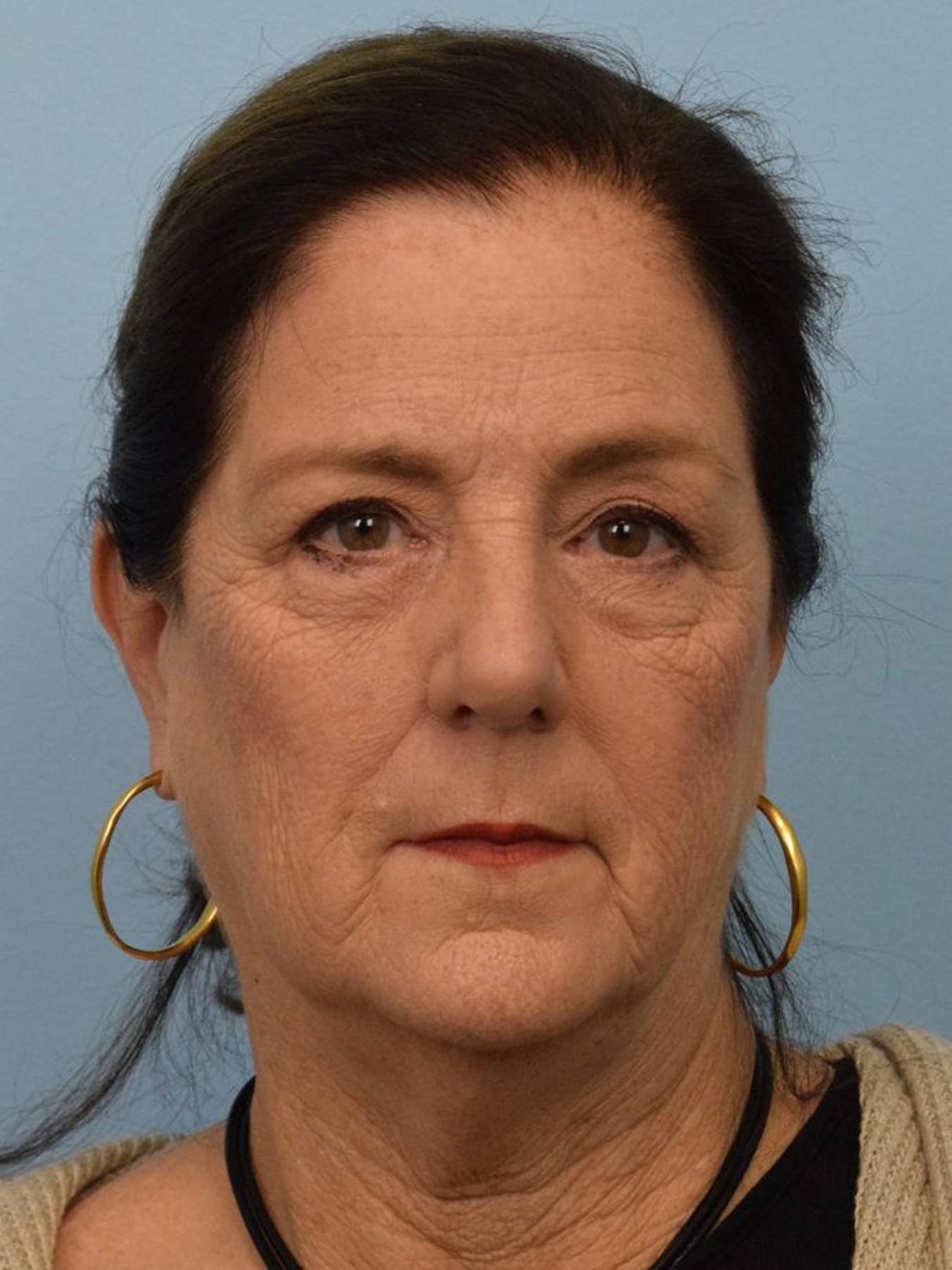
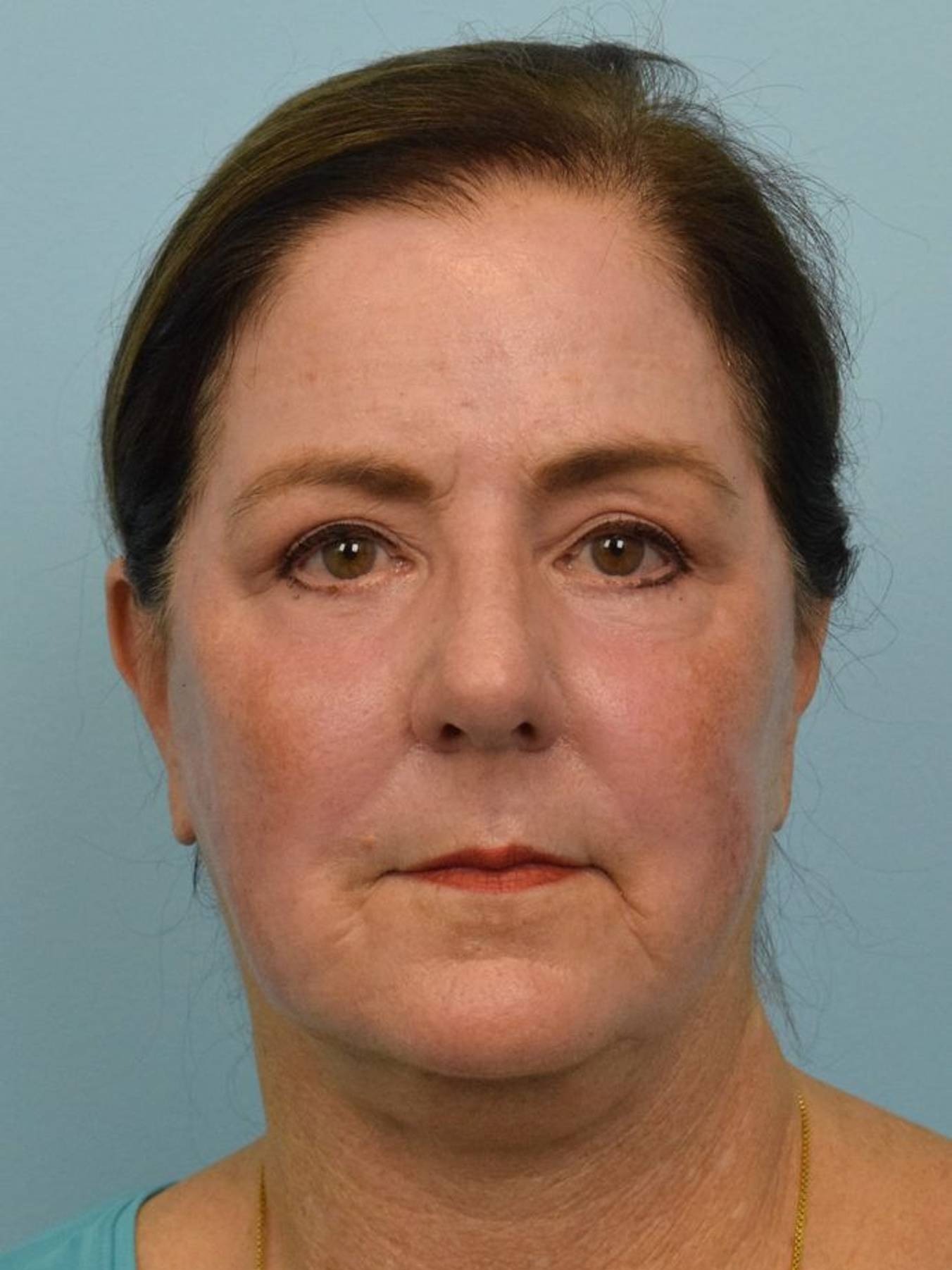
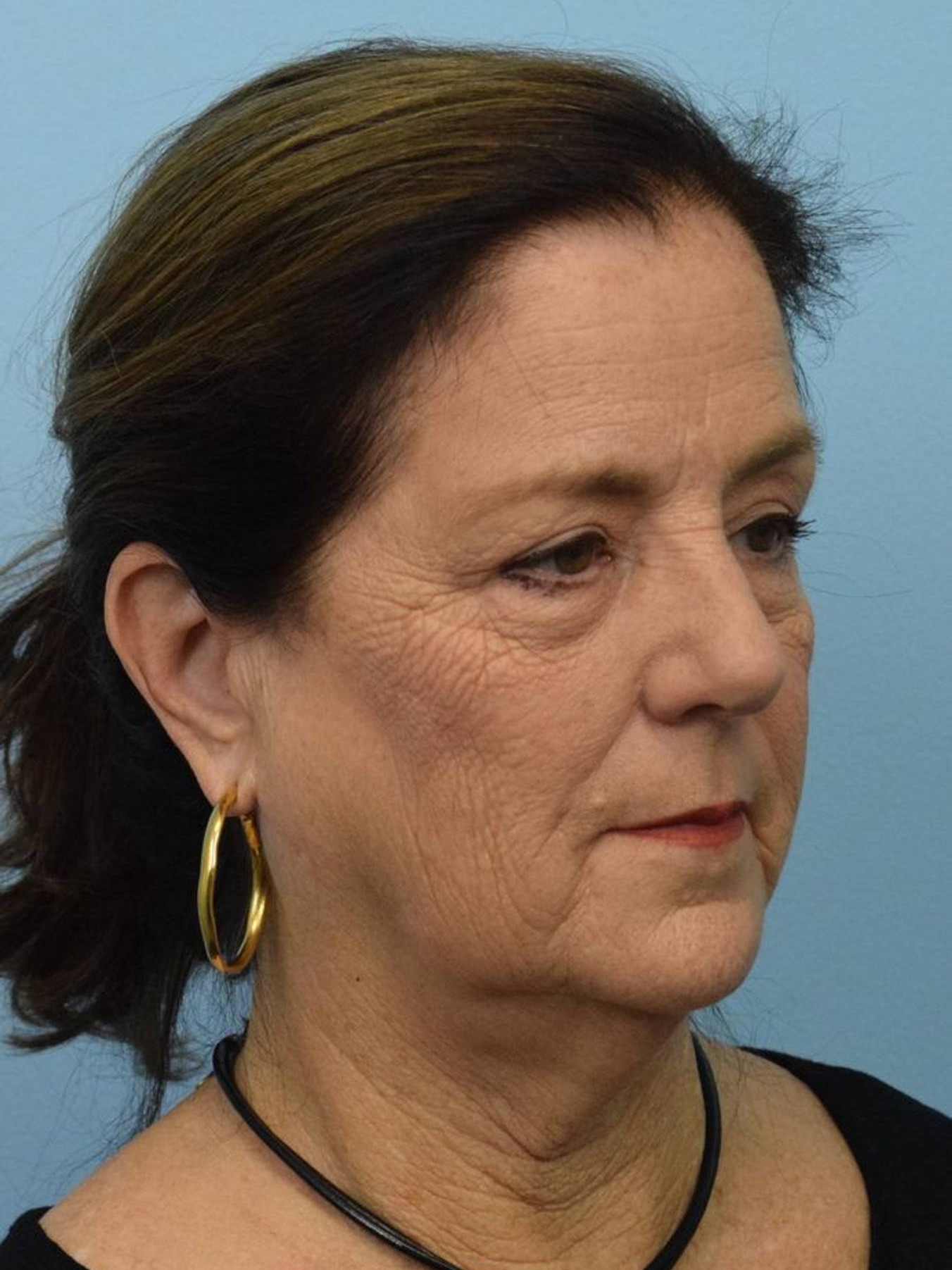
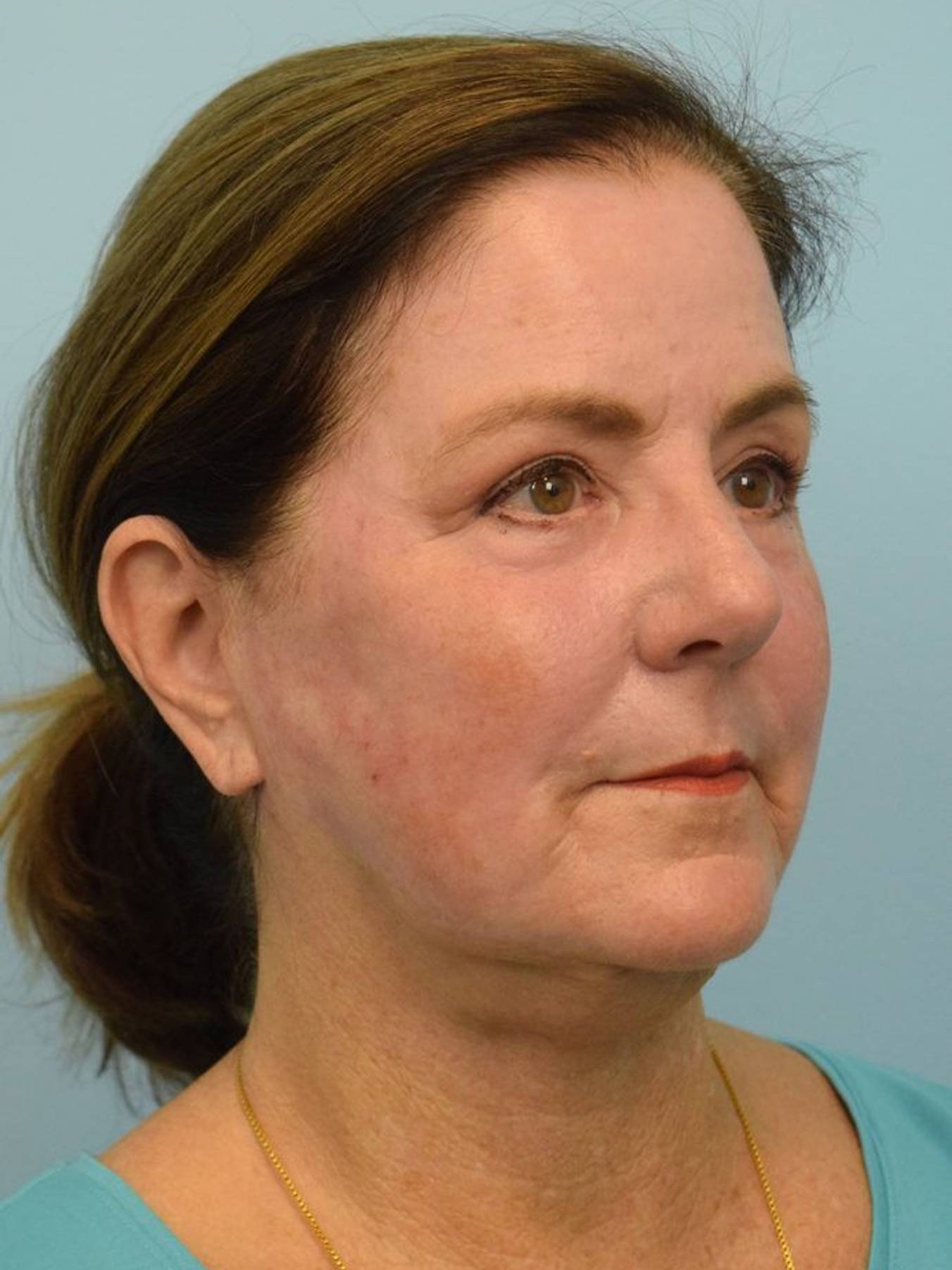
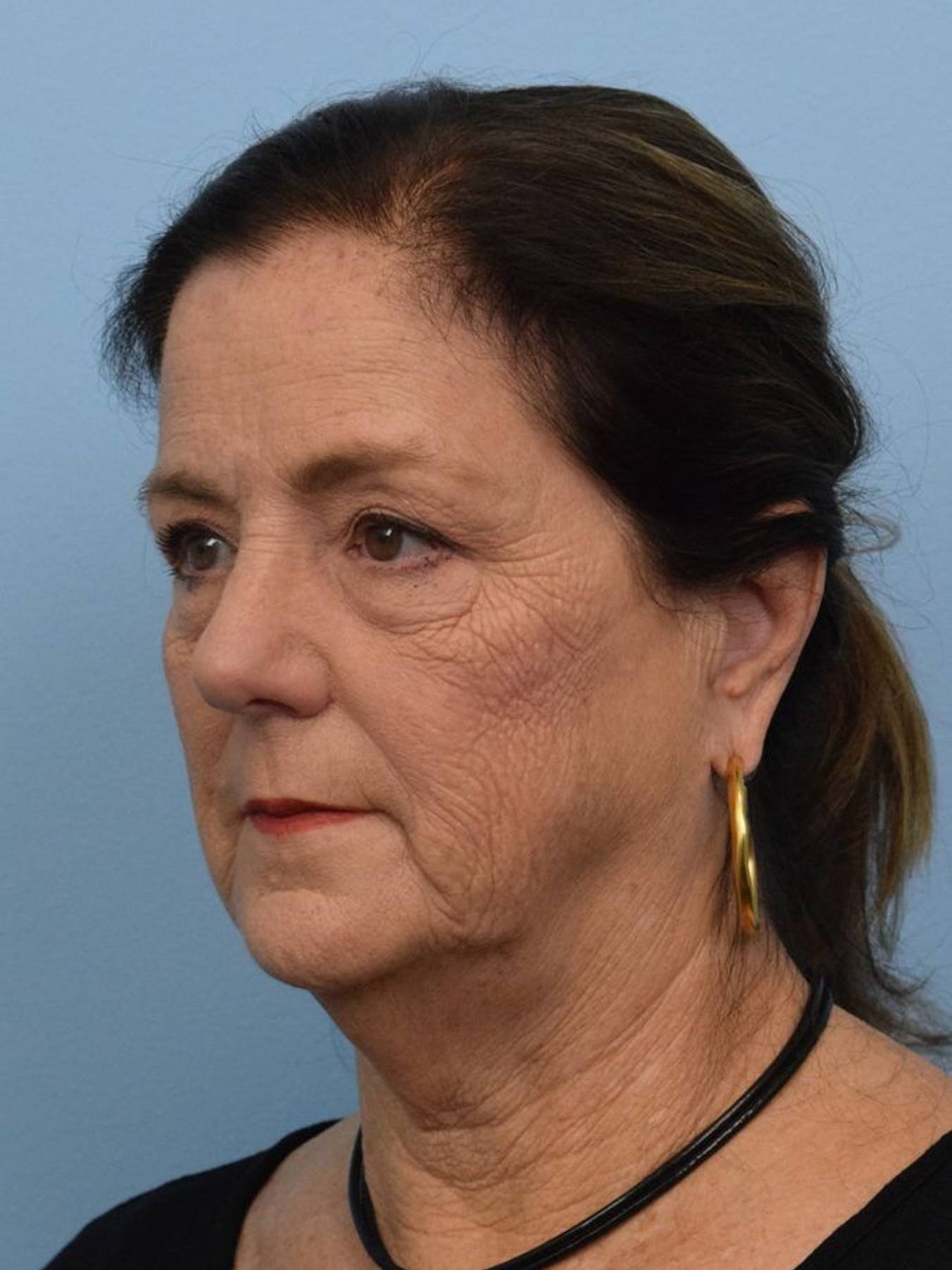
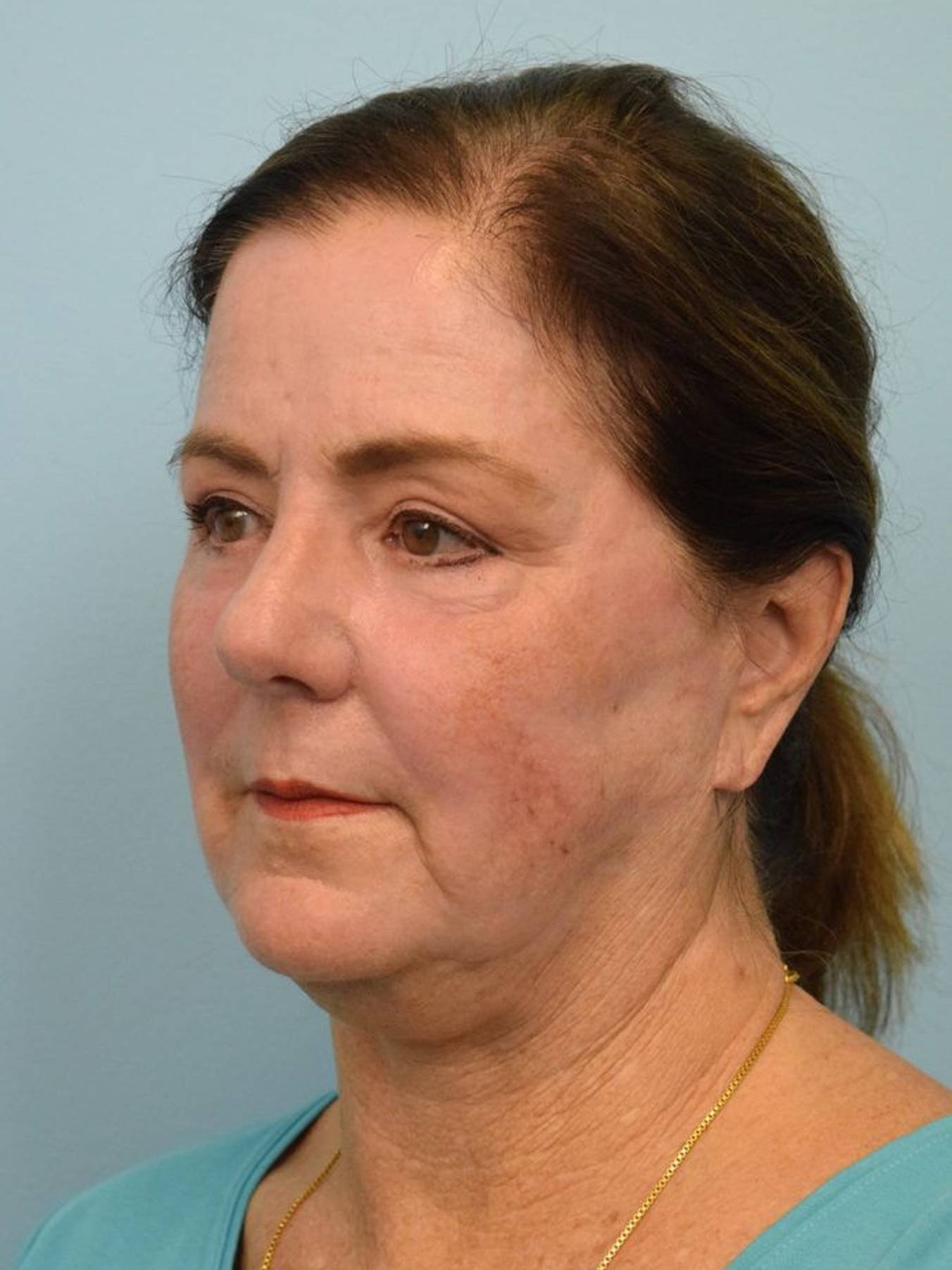
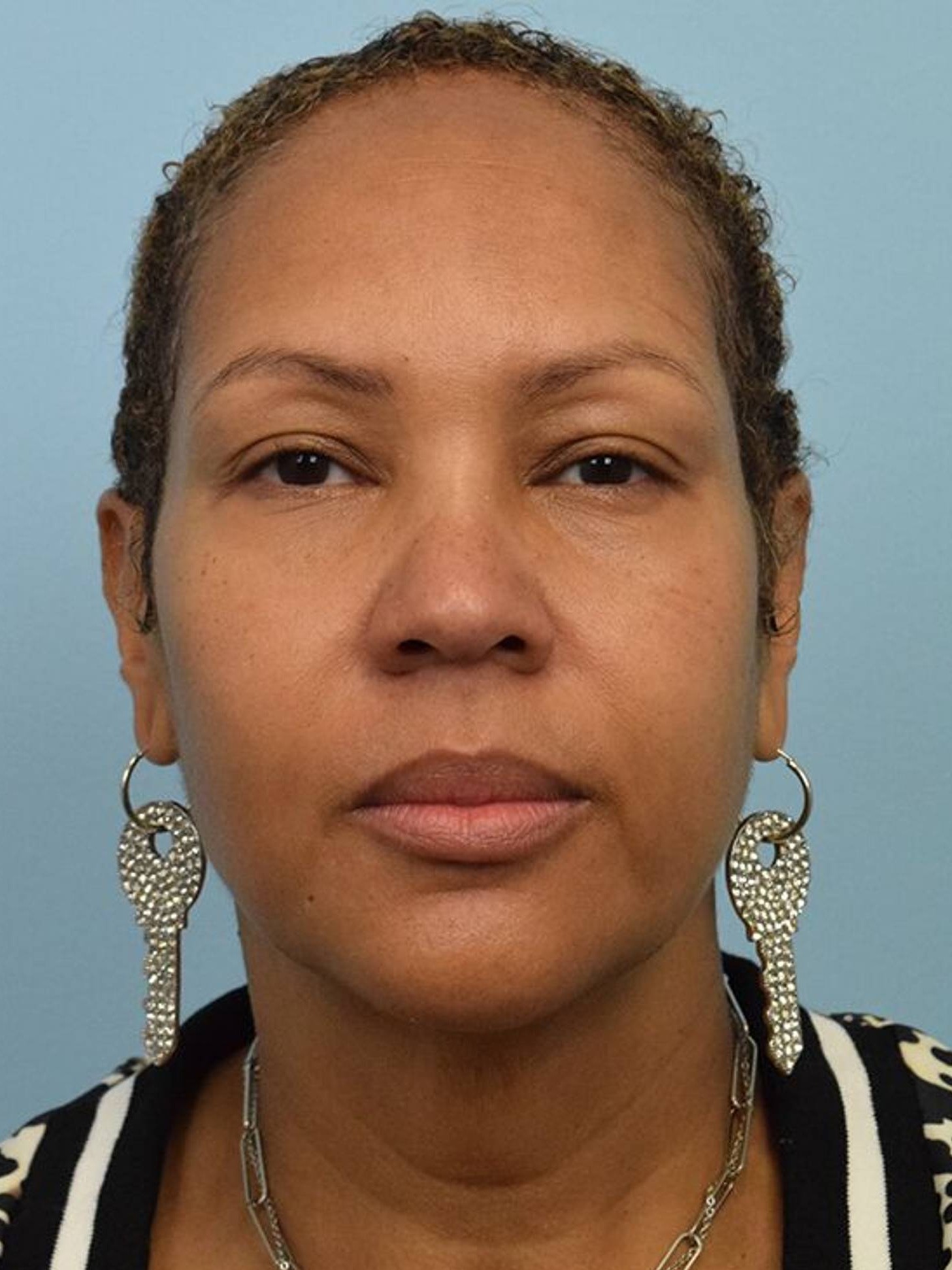
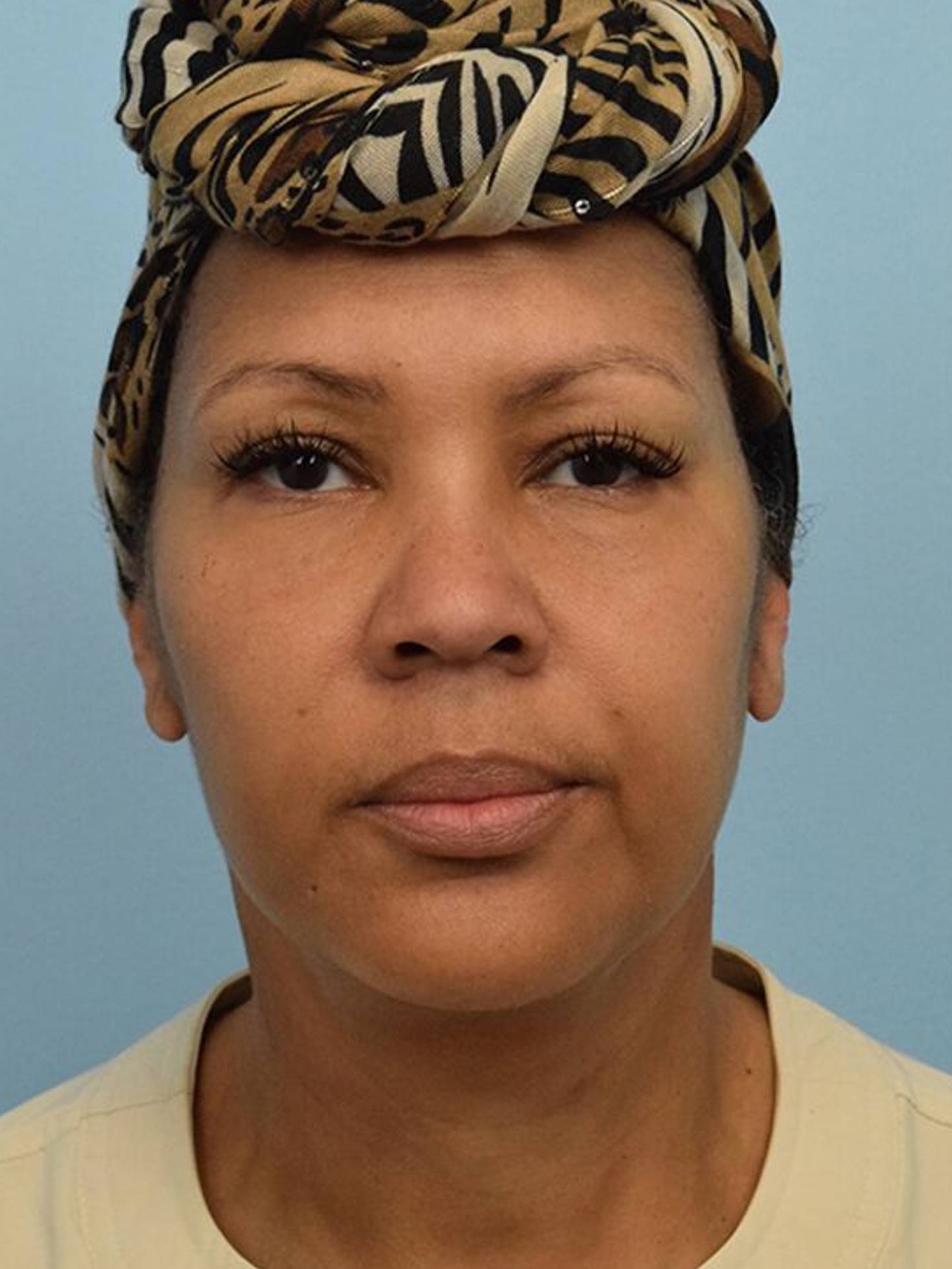
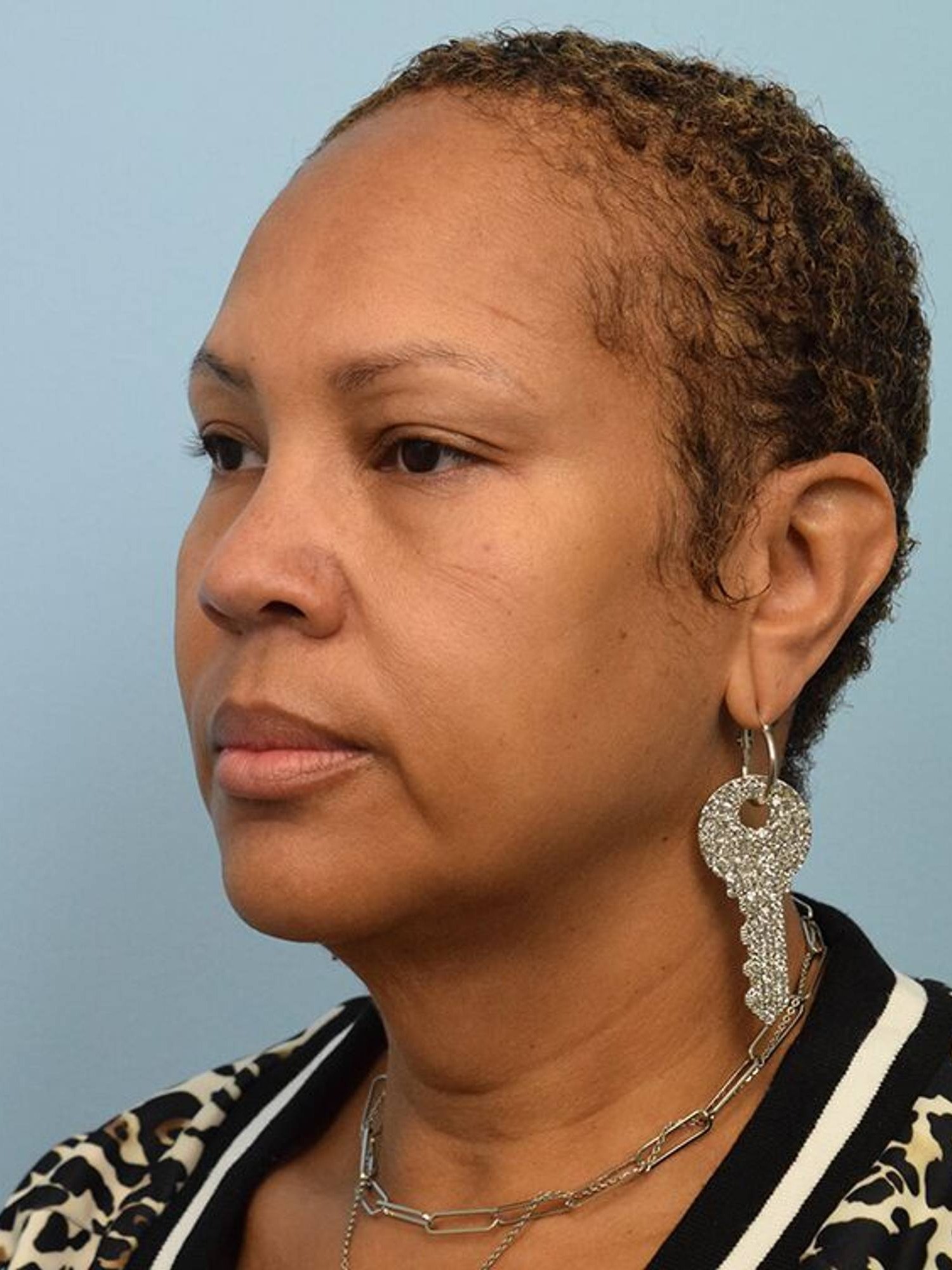
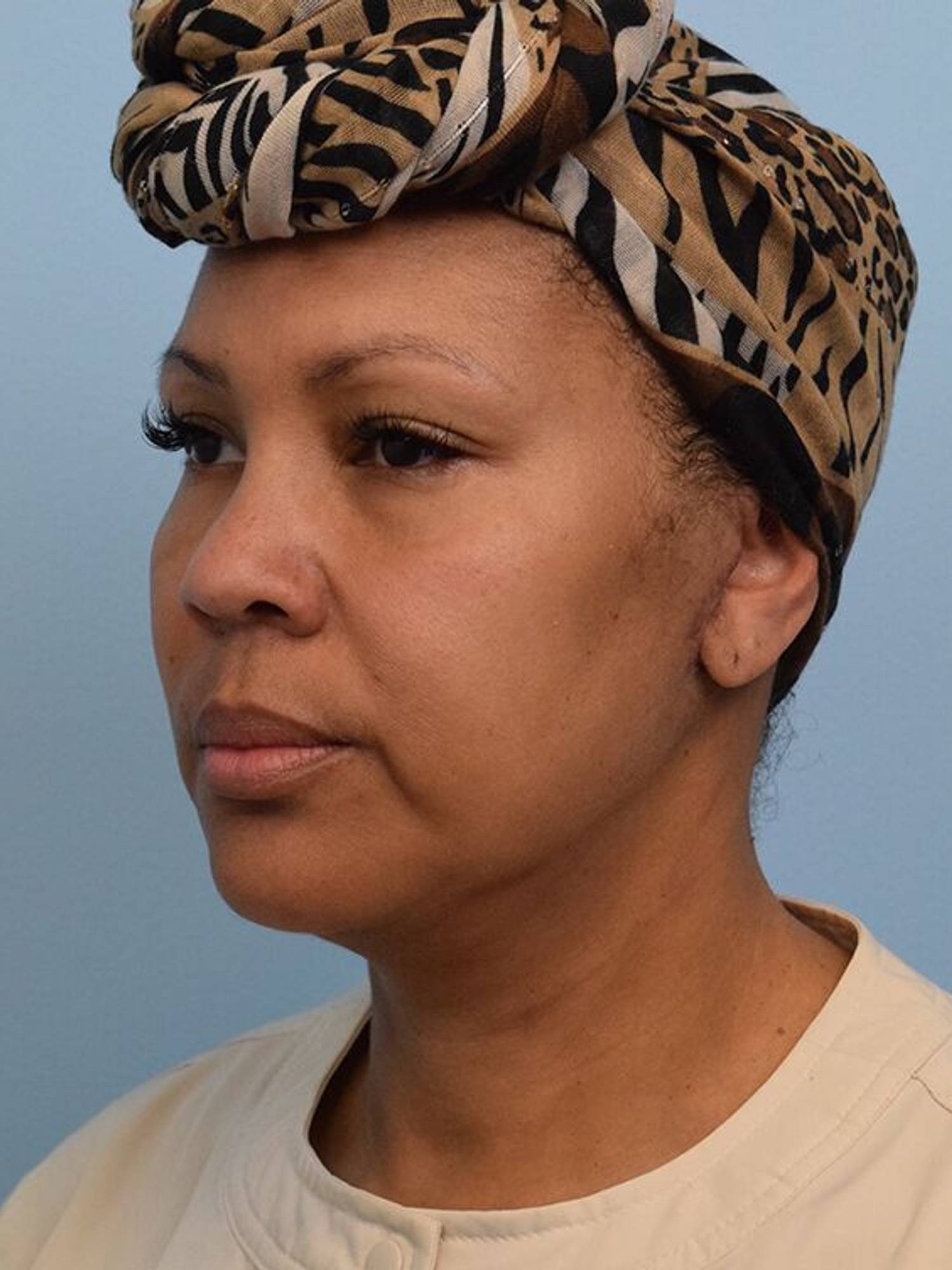
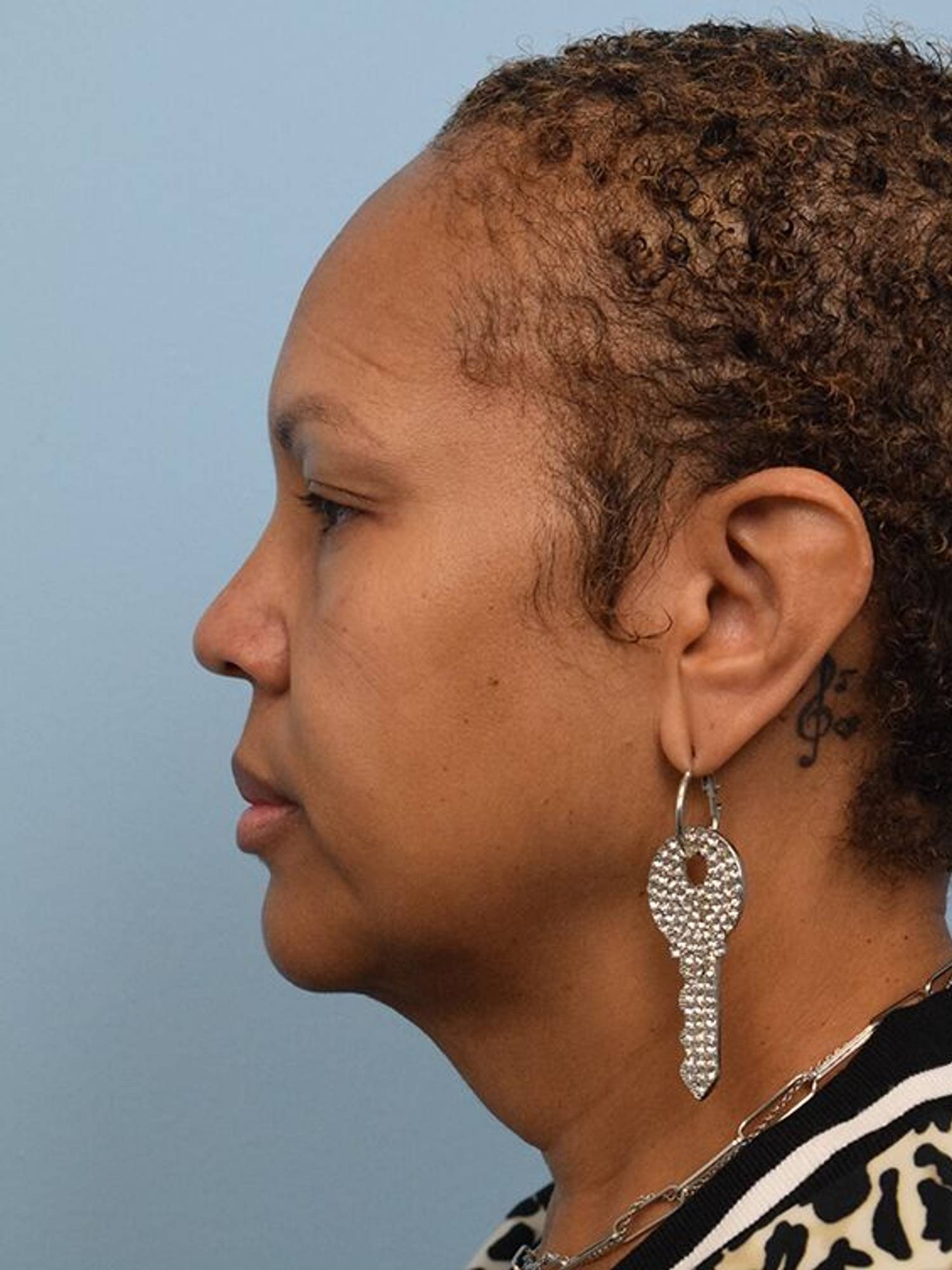
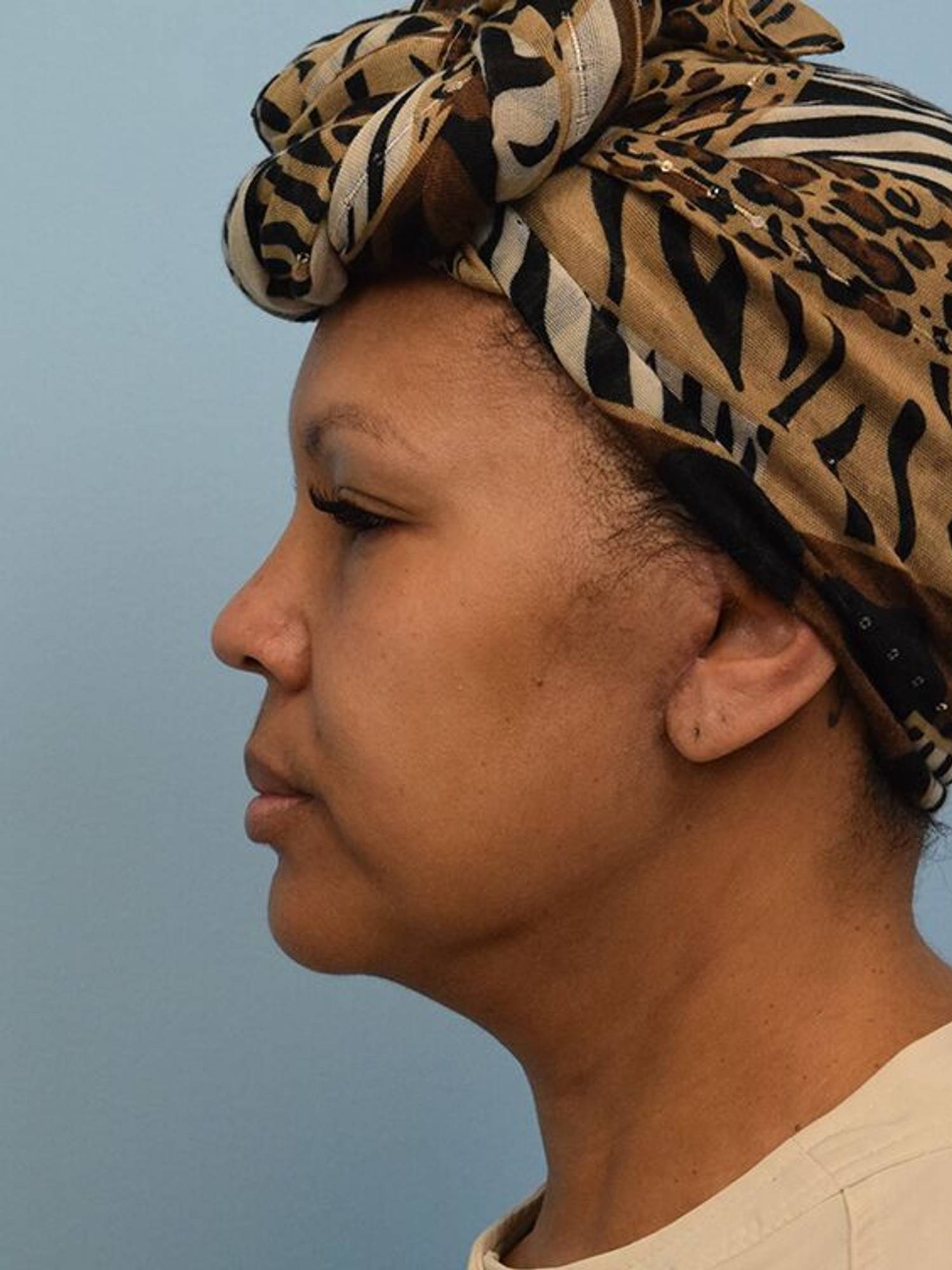
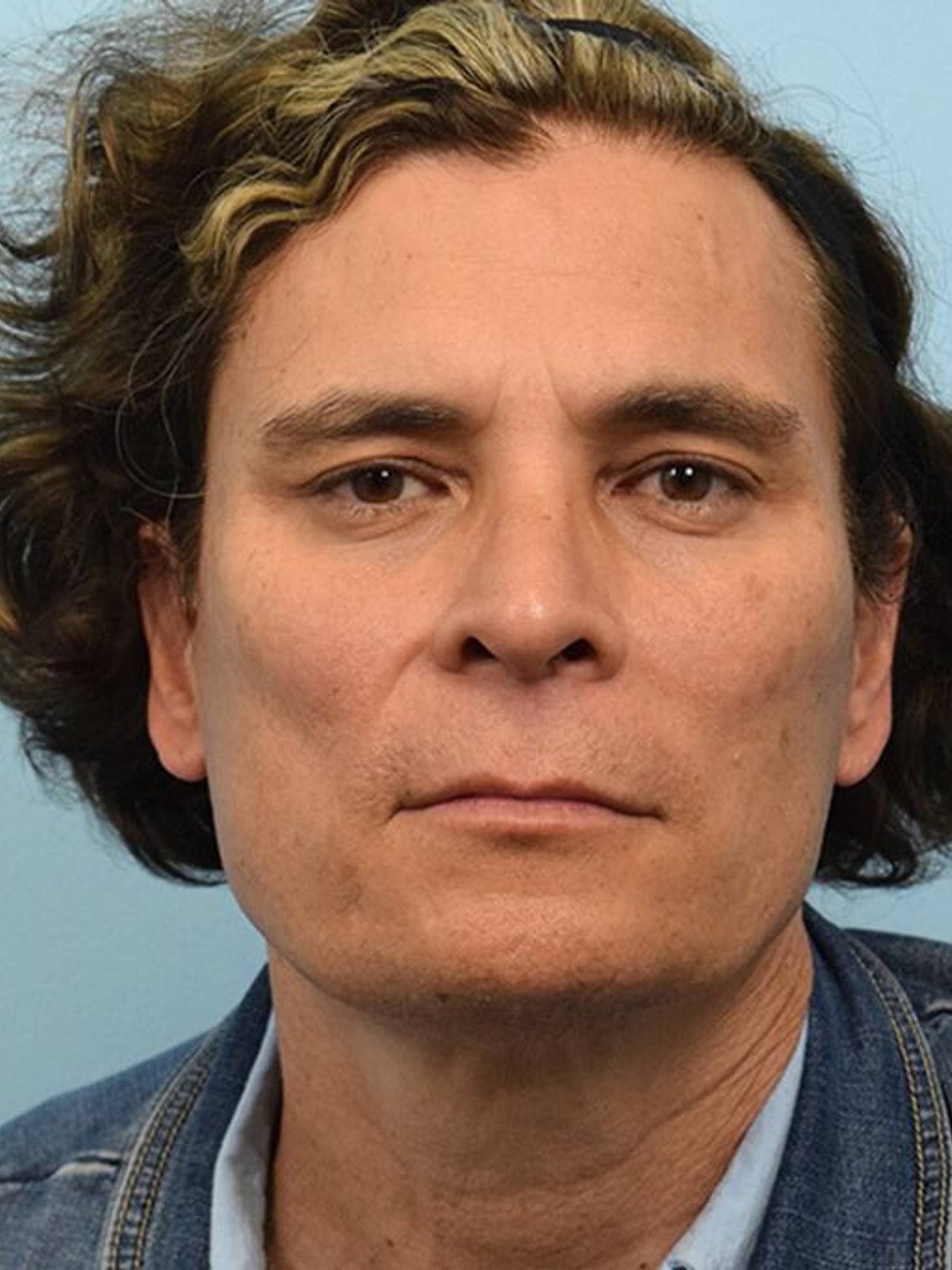
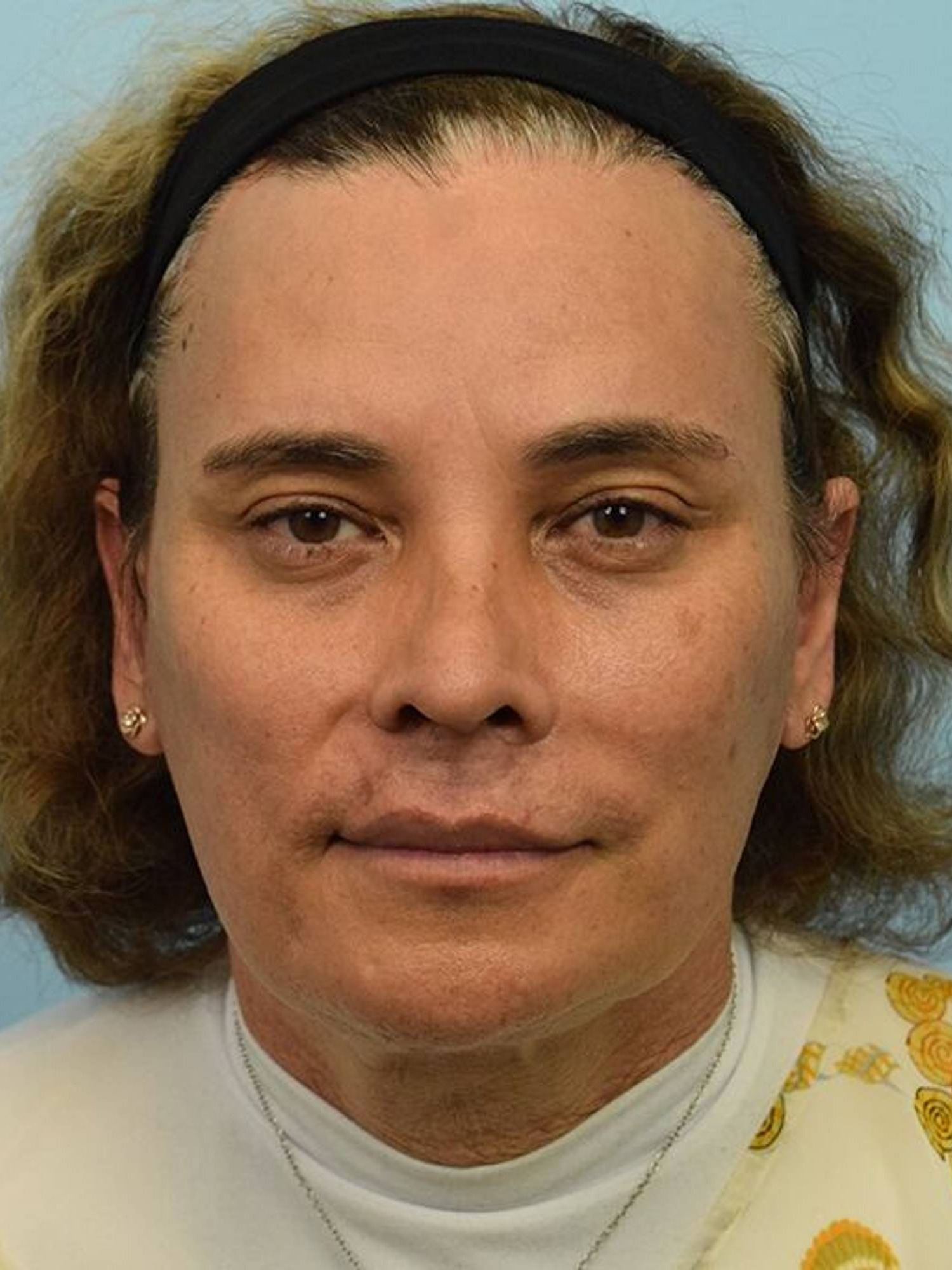
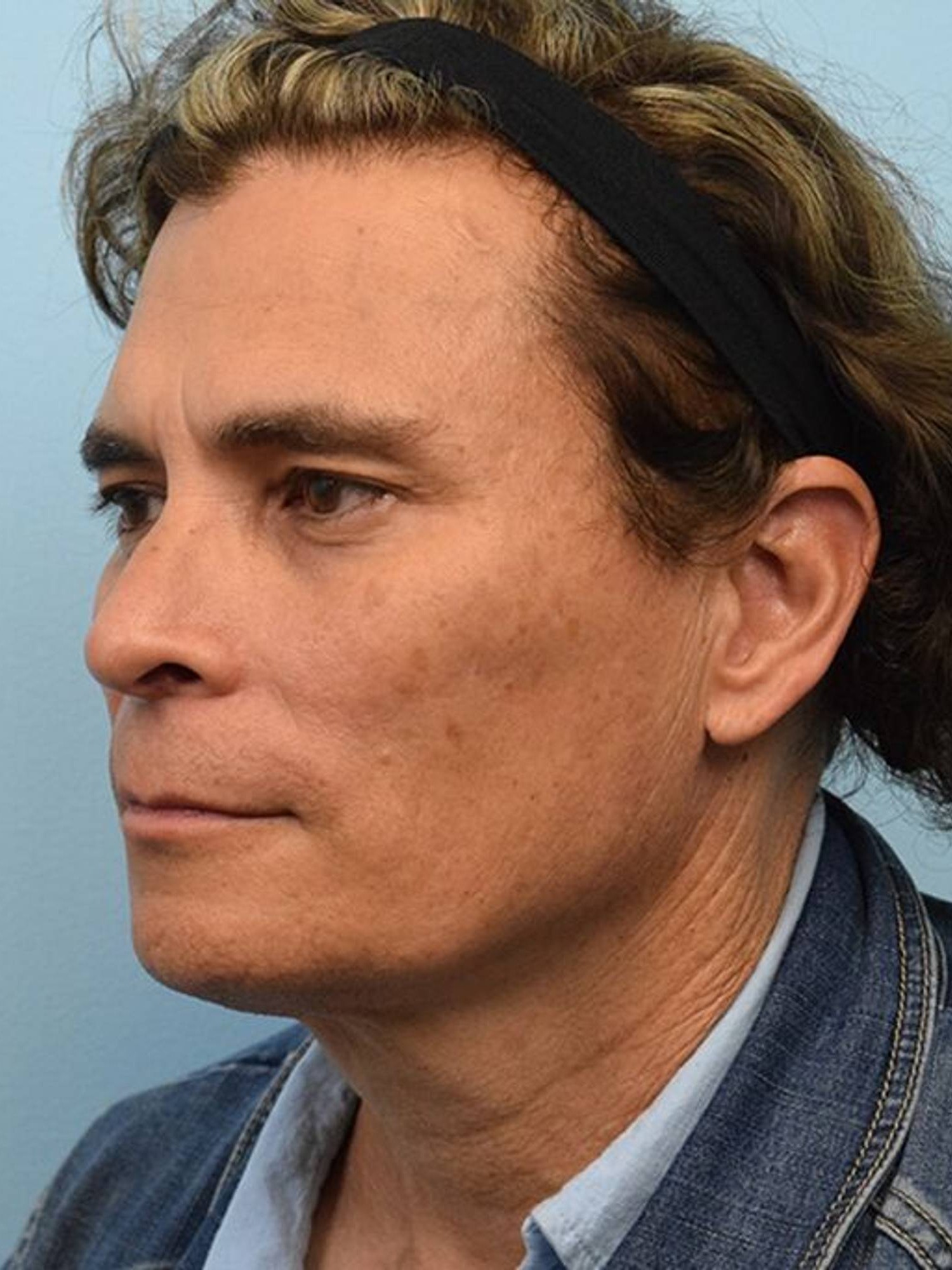
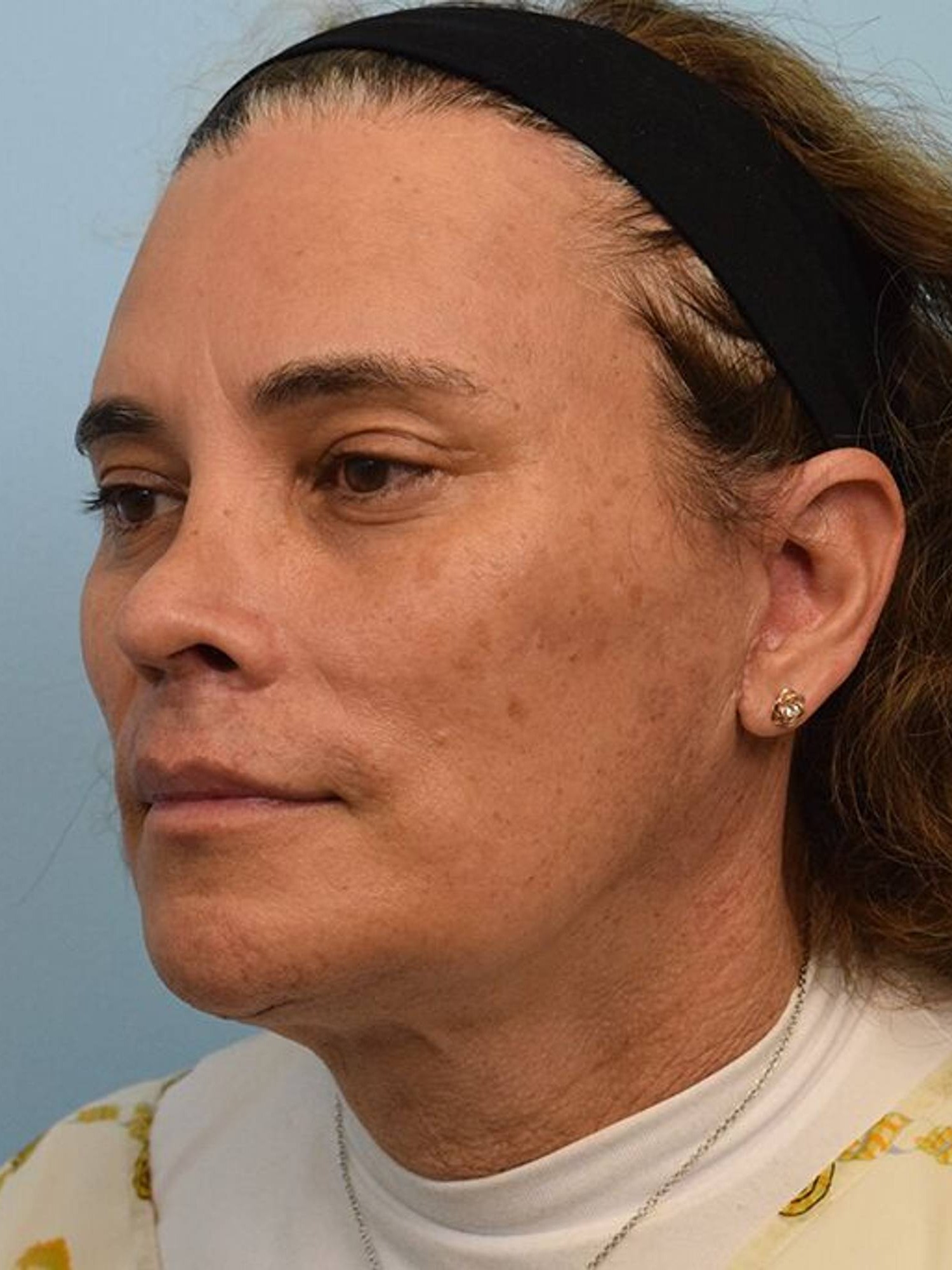
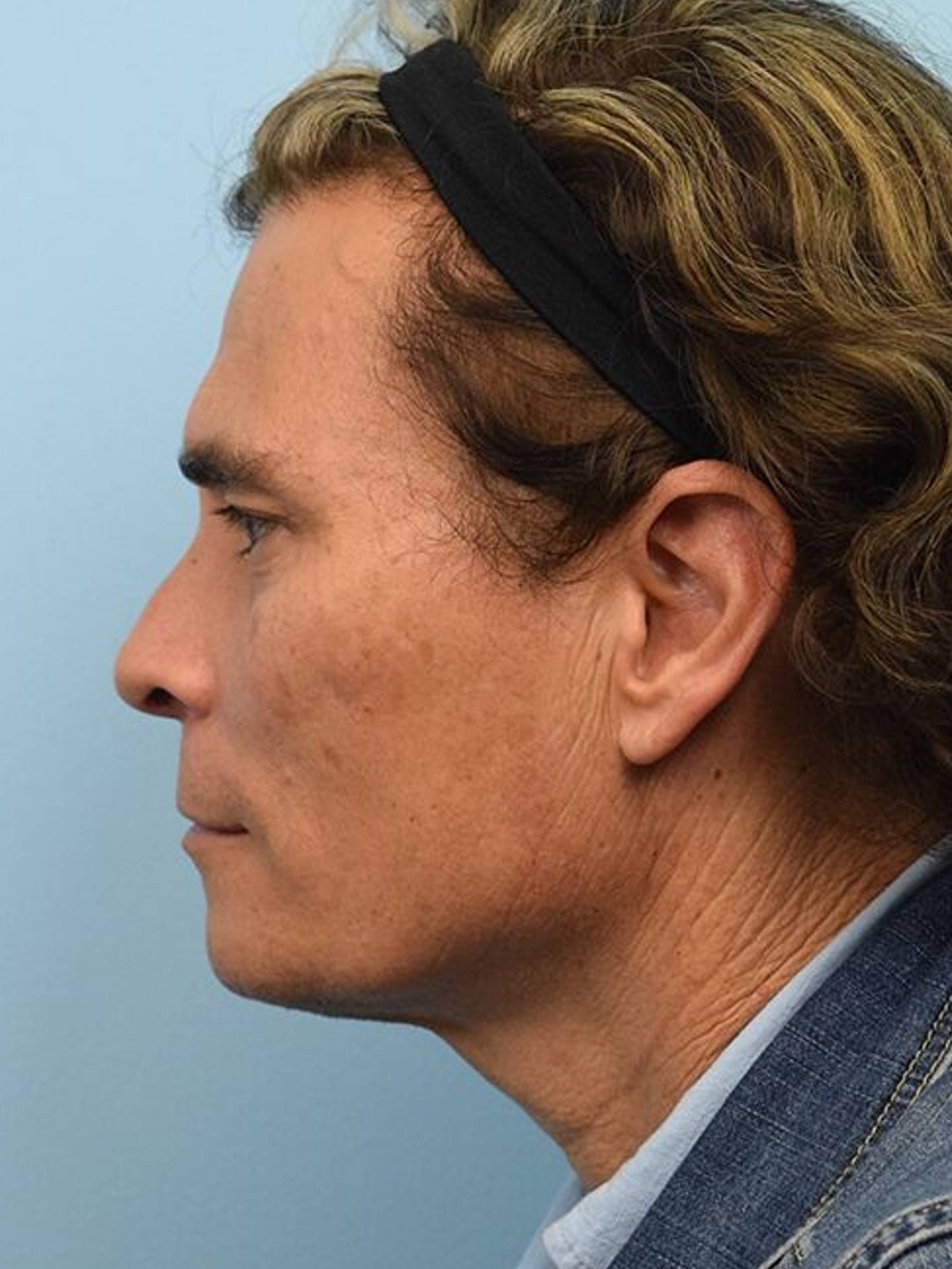
Facelift Before & After Photos
 Swipe To Next
A facelift is a surgical procedure that repositions the deeper facial tissues and removes excess skin to correct visible aging in the mid-to-lower face. It tightens the underlying support structure (SMAS) to smooth deep creases, eliminate jowls, and define the jawline.
As facial tissues age, the superficial musculoaponeurotic system (SMAS), the layer beneath the skin that dictates facial structure, loses its tension. This failure of support creates jowling and heavy skin under the chin. With a facelift Lazybrook patients can physically restore tension to the SMAS. The outcome is a smoother surface texture and a highly defined lower face.
Dr. Rodman evaluates your specific anatomy and tissue density during consultation to select the surgical approach that will deliver the most stable, long-term correction.
A mini facelift addresses early-to-moderate tissue descent in the lower face. It targets mild jowling by tightening the SMAS layer and removing a conservative amount of skin. The incisions are shorter, and the recovery timeline is compressed. This is an ideal intervention for patients noticing the first significant signs of lower-face heaviness.
This advanced technique bypasses the superficial layers entirely. Dr. Rodman releases the tethered ligaments holding the facial fat pads in place and lifts the deeper muscular structures as one cohesive unit. It is highly effective for correcting severe midface descent and deep nasolabial folds, producing a seamless, tension-free result.
What's the Difference?
@faceforwardhouston Dr. Rodman discusses 3 different types of Facelifts in this video: Skin Only, SMAS, and Deep Plane Facelift! #facelift #deepplanefacelift ♬ original sound - Face Forward Houston
Lazybrook facelift patients researching their facelift options often ask how these two procedures differ mechanically. The distinction lies in the surgical plane and the longevity of the lift. A traditional SMAS facelift separates the skin from the underlying muscle, tightens the SMAS layer, and pulls the skin taut before redraping it. It works well for moderate aging along the jawline and neck.
A deep plane facelift requires releasing specific facial ligaments (such as the zygomatic and masseteric ligaments). Dr. Rodman moves the skin and muscle together without separating them. Because there is zero tension placed on the skin itself, the incisions heal more cleanly. The lift looks entirely organic. Patients with significant volume loss or heavy jowling require this deeper approach for total lower-face correction.
The procedure addresses multiple zones of structural failure simultaneously. It smooths the transition between the cheek and the mouth, sharpens the jawline, and supports the neck.
Non-surgical injectables require constant upkeep. A surgical facelift provides a structural reset that typically lasts 10 to 15 years. You stop chasing temporary volume and secure a permanent baseline improvement.
Gravity pulls fat pads out of their optimal positions. Repositioning these tissues restores the inverted triangle of proportion, giving you a crisp jawline and defined cheekbones.
Lifting the deeper tissue naturally smooths the surface skin. Deep static lines around the mouth and nose flatten out when the underlying architecture is supported.
Skin that has lost collagen droops downward. Surgery removes this redundant tissue, firming the lower third of the face.
Nasolabial folds and marionette lines form when midface cheeks descend. Repositioning the cheek fat upward eliminates the weight causing these creases.
Bone resorption and muscle laxity blur the jawline. A facelift re-establishes the sharp border between the face and the neck.
Submental heaviness changes the profile. The procedure tightens the skin beneath the chin, eliminating the turkey neck presentation.
Fat deposits that fall below the mandible line create jowls. Surgery lifts this tissue back up into the cheek hollows.
As fat drops into the lower face, the midface looks gaunt. Returning that fat to its anatomical origin restores fullness to the cheeks.
The ideal facelift candidate exhibits visible tissue laxity along the jawline or under the chin. You must be in good cardiovascular health. Patients who smoke must cease all nicotine use several weeks prior to surgery, as nicotine constricts blood vessels and severely compromises healing. During your consultation, we evaluate your medical history, bone structure, and specific anatomical concerns to confirm surgical clearance.
The lower face and the neck share a continuous anatomical plane. Treating one without the other often results in a mismatched aesthetic.
A facelift supports the cheeks and jawline. A neck lift targets the platysma muscle bands and the skin beneath the chin. Performing them together ensures the tension and texture match seamlessly from the midface down to the collarbone.
A standalone neck lift improves the profile but leaves the midface unsupported. Over time, heavy cheeks will continue to descend, creating fullness right where the face meets the neck. The combined approach establishes a defined cervicomental angle and a balanced, cohesive correction.
How to Prepare for a Facelift
Preparation dictates the ease of your recovery. I require all patients to stop blood-thinning medications and supplements two weeks prior to the operating room.
During your consultation, we map your facial vectors. We take clinical photographs. We provide a detailed pre-operative protocol. You will need to arrange for a trusted driver to bring you back home after surgery and assist you for the first 48 hours. Hydration and a protein-rich diet in the weeks leading up to your date will optimize your body's healing capacity.
The operation takes five to seven hours, depending on whether we incorporate a neck lift or fat grafting. We focus on exact tissue handling to minimize trauma.
We utilize intravenous sedation or general anesthesia. You remain entirely asleep and comfortable.
Incisions follow the natural curvature of your anatomy. They begin in the temporal hairline, trace the natural crease in front of the ear, and wrap behind the earlobe into the lower scalp.
Dr. Rodman accesses the deep facial planes. She secures the SMAS layer at a higher, more supportive position using permanent internal sutures.
Once the muscle is anchored, the overlapping redundant skin is precisely trimmed away.
The remaining skin is draped over the newly established contours. We never pull the skin tight.
We close the incisions using meticulous, multi-layered suturing techniques. This ensures the scars heal as imperceptible fine lines hidden within your natural hair and skin folds.
You will experience swelling and bruising for the first 10 to 14 days. This is the normal, expected ugly phase of healing. We provide specific post-operative care instructions, and our clinic is conveniently located near Lazybrook for your mandatory follow-up checks. Keep your head elevated at all times. Most patients switch from prescription pain medication to over-the-counter Tylenol by day three. By the end of the second week, you can confidently return to public life, run errands at the local H-E-B, or grab coffee without looking like you just left a surgical center. The final refinement of your facelift results will settle in over the next three to six months.
The process requires clinical evaluation. You will meet with Dr. Rodman to review your bone structure and tissue density. We explain the exact surgical mechanics required to fix the descent. You leave with a clear surgical plan and transparent pricing.
Phone: (713) 321-2424
Address: 427 W 20th Street Suite 100, Houston TX 77008
Protect your investment. Wear SPF 50+ daily, maintain a stable weight, and utilize clinical-grade skincare. Strategic use of neuromodulators (like Botox) prevents dynamic muscle movement from etching new lines into your lifted skin.
Yes. We frequently combine lower-face surgery with a brow lift or upper blepharoplasty (eyelid surgery) to correct upper-face heaviness. Facial fat grafting is also commonly added to replace volume lost to bone resorption.
Yes. Rapid weight loss deflates the facial fat pads, leaving excess skin that non-surgical treatments cannot tighten. A deep plane facelift addresses this exact structural collapse. We release the underlying ligaments and reposition the remaining tissue upward. This restores the volume to your midface and permanently removes the redundant skin along the jawline.
A windblown look happens when tension is placed solely on the skin. This is the flaw of older, skin-only facelift techniques. A deep plane facelift avoids this entirely. Dr. Rodman lifts the deeper muscle layer (the SMAS) and simply drapes the skin over the new structural foundation. Your results look natural because the skin itself is never pulled.
You must sleep on your back, elevated at a 45-degree angle, for the first two to three weeks. This prevents fluid accumulation and protects your incisions from friction. Once the initial swelling resolves and your incisions are fully closed, Dr. Rodman will clear you to resume side sleeping.
No. A facelift strictly targets the midface, jawline, and neck. It does not alter your eye shape. If you have heavy upper lids or under-eye bags, we must perform a blepharoplasty (eyelid surgery) alongside your facelift to address the upper third of your face.
No, it actually hurts less. The deep anatomical plane of the face contains fewer blood vessels and sensory nerves than the superficial skin layers. Because we work beneath these pain receptors, bruising is minimized. Most patients switch to over-the-counter Tylenol by day three.
Hair loss is rare when incisions are designed correctly. Dr. Rodman places the incisions exactly within the temporal hairline and carefully traces the natural curves of your ear cartilage. This protects the hair follicles. Once healed, the incision line mimics a natural shadow.
Schedule Your Houston Plastic Surgery Consultation Today
The Face Forward process starts with a consultation. You will meet with Dr. Rodman (either in the office or via video call) to discuss the result or look you want to achieve. Dr. Rodman will review and educate you about your options and schedule you for the procedure of your choice. Follow-up appointments will be scheduled as necessary. Achieve your look and enjoy the new you! Schedule your consultation for plastic surgery in Houston at Face Forward today.
427 W 20th Street Suite 100, Houston TX 77008
Monday - 9am - 5pm
Tuesday - 9am - 5pm
Wednesday - 9am - 5pm
Thursday - 9am - 5pm
Friday - 7:30am - 3:30pm